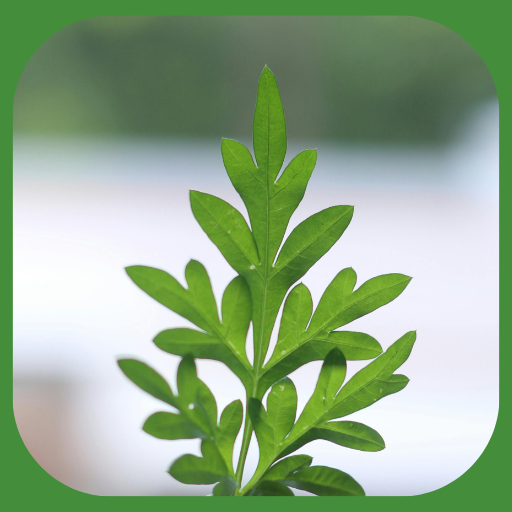
About Mugworts.co.uk
Welcome to Mugworts.co.uk, Exploring the History, Folklore, Uses, and Fascinating World of Mugwort
Mugwort has been part of human history for thousands of years.
From ancient folklore and traditional herbal practices to modern interest in natural living, gardening, and botanical knowledge, this remarkable plant has inspired cultures around the world.
At Mugworts.co.uk, our goal is to explore the many stories, traditions, and uses surrounding mugwort (Artemisia vulgaris) while providing reliable, informative, and easy-to-understand content for plant enthusiasts, gardeners, herbal tea lovers, and anyone curious about this fascinating herb.
Our Mission
Our mission is simple:
To create the most informative and trustworthy online resource dedicated to mugwort and its place in history, culture, and modern life.
We believe plants are more than just biological organisms. They are connected to:
- Human traditions.
- Local cultures.
- Historical practices.
- Food and drink.
- Gardening.
- Folklore.
- Scientific discovery.
Mugwort is a perfect example of this connection between people and plants.
For centuries, it has appeared in European folklore, Asian cuisine, traditional herbal practices, and seasonal celebrations. Today, it continues to attract interest from gardeners, herbal enthusiasts, and those interested in botanical history.
Why We Created Mugworts.co.uk
Mugwort is a plant with a surprisingly rich story.
Although many people recognise common herbs such as mint, rosemary, or lavender, fewer people know about mugwort and its important place in history.
We created Mugworts.co.uk to bring together information about:
- What mugwort is.
- Where it grows.
- How different cultures have used it.
- Traditional recipes and preparations.
- Gardening and cultivation.
- Folklore and historical beliefs.
- Modern research and botanical information.
Our aim is to make this information accessible to everyone, from beginners discovering mugwort for the first time to experienced gardeners and plant enthusiasts.
Our Approach to Content
We believe good information starts with careful research.
Articles published on Mugworts.co.uk are created using a combination of:
- Botanical references.
- Historical sources.
- Academic research where available.
- Traditional knowledge and cultural records.
- Reputable educational resources.
We aim to separate:
Historical and Traditional Information
Many plants have fascinating histories involving traditional beliefs, folk remedies, and cultural practices.
We share these traditions because they are an important part of human history.
However, traditional use does not automatically mean something has been scientifically proven or medically recommended.
Modern Scientific Understanding
Where scientific research exists, we aim to explain it clearly and responsibly.
We recognise that:
- Research develops over time.
- Evidence quality varies.
- Some traditional claims require further investigation.
Our goal is not to promote exaggerated claims but to provide balanced information.
Responsible Herbal Information
Mugwort has been used traditionally in many different ways, including:
- Herbal teas.
- Culinary preparations.
- Traditional practices.
- Cultural ceremonies.
- Gardening and natural landscapes.
However, herbs are not automatically risk-free simply because they are natural.
Some plants may:
- Cause allergic reactions.
- Interact with medication.
- Be unsuitable for certain individuals.
For this reason, we encourage readers to make informed decisions and seek professional advice where appropriate.
For more information, please read our:
- Medical Disclaimer
- Privacy Policy
- Terms & Conditions
Exploring Mugwort Around the World
One of the most fascinating aspects of mugwort is how different cultures have interacted with this plant.
Across the world, mugwort has been known by different names and used in different ways.
Examples include:
Europe
European traditions have associated mugwort with folklore, seasonal customs, herbal preparations, and traditional plant knowledge.
Japan
In Japan, mugwort is known as yomogi and is used in traditional foods such as yomogi mochi and herbal preparations.
Korea
In Korea, mugwort is called ssuk and has a long history in cuisine, teas, and seasonal traditions.
China
Chinese herbal traditions have documented the use of mugwort species for centuries.
By exploring these different perspectives, we hope to show how plants connect people across cultures.
Who Is Mugworts.co.uk For?
This website is designed for anyone interested in mugwort, including:
- Gardeners wanting to grow mugwort.
- Herbal tea enthusiasts.
- Plant lovers.
- History enthusiasts.
- Folklore researchers.
- Natural living communities.
- Students and researchers looking for introductory information.
Whether you have just discovered mugwort or have been interested in plants for years, we hope you find something valuable here.
Our Commitment to Accuracy
We understand the importance of trust, especially when discussing herbs and traditional plant uses.
We aim to:
- Provide balanced information.
- Avoid unsupported health claims.
- Update articles when new information becomes available.
- Correct mistakes when identified.
- Clearly distinguish tradition from scientific evidence.
If you notice an error or believe information requires updating, we welcome feedback.
Affiliate Links and Advertising
Mugworts.co.uk may contain affiliate links and advertising.
These help support the ongoing costs of creating and maintaining free educational content.
Affiliate relationships do not influence our editorial decisions.
We only aim to recommend products and resources that are relevant to our readers.
For full details, please visit our:
Affiliate Disclosure
A Growing Resource
Mugwort has a story that stretches across centuries, but there is always more to discover.
We are continually expanding Mugworts.co.uk with new articles covering:
- Mugwort identification.
- Growing guides.
- Tea recipes.
- Historical uses.
- Cultural traditions.
- Botanical information.
- Related plants and herbs.
Our goal is to become a trusted online destination for everything related to mugwort.
Thank You For Visiting
Thank you for visiting Mugworts.co.uk.
Whether you are researching mugwort for a gardening project, exploring herbal traditions, learning about plant folklore, or simply curious about this unique herb, we hope our website helps you discover something new.
Plants have stories to tell.
We are here to help share the story of mugwort.
Contact Us
If you have questions, suggestions, corrections, or feedback, please visit our Contact page.
We would love to hear from readers who share an interest in mugwort, plants, history, and traditional knowledge.