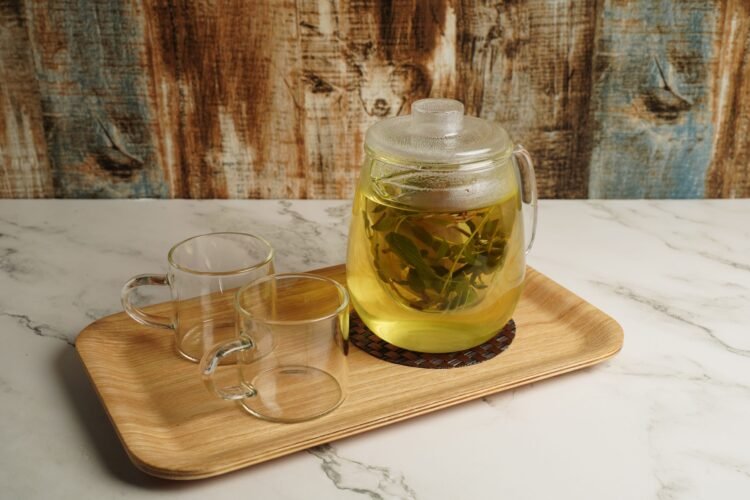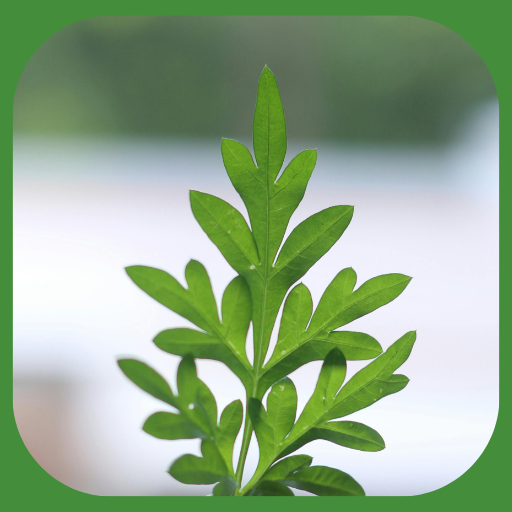
Mugwort Tea
Benefits, History, Recipes and How to Make This Ancient Herbal Infusion
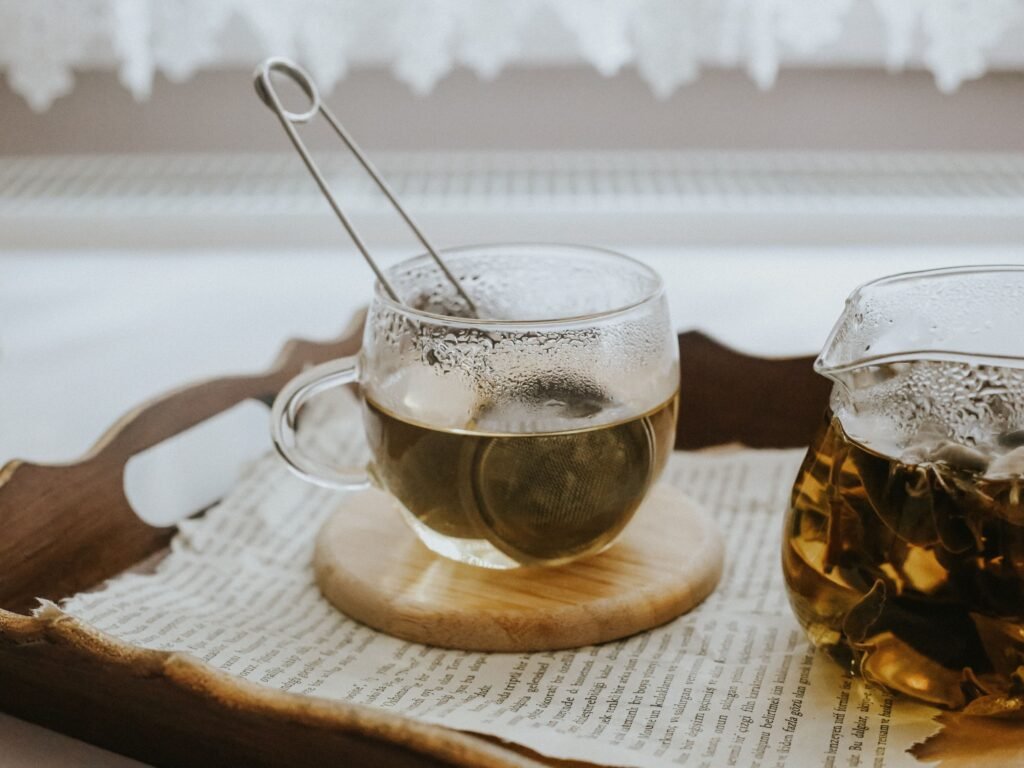
For centuries, mugwort tea has been enjoyed across Europe and Asia as both a comforting herbal drink and an important part of traditional wellness practices. Long before modern herbal teas became popular, people were brewing the aromatic leaves of mugwort to accompany seasonal celebrations, aid digestion after meals, and as part of cultural and medicinal traditions that have been passed down through generations.
Today, mugwort tea is experiencing a revival. As more people explore herbal infusions and natural wellness, this ancient beverage has found a new audience. You may have seen mugwort tea featured in health food shops, Japanese cafés, Korean wellness blogs, or traditional Chinese medicine discussions. Others discover it while researching medicinal herbs or looking for caffeine-free alternatives to black or green tea.
But what exactly is mugwort tea? What does it taste like? How is it prepared around the world? And what does modern science say about the many traditional claims surrounding this fascinating herbal infusion?
In this comprehensive guide, we’ll explore the long history of mugwort tea, discover how different cultures have brewed and enjoyed it, examine its potential benefits, discuss important safety considerations, and share several easy recipes you can make at home.
Whether you’re completely new to herbal teas or already grow mugwort in your garden, this guide will help you understand why mugwort tea has remained popular for thousands of years.
What Is Mugwort Tea?
Mugwort tea is a herbal infusion made from the dried or fresh leaves of mugwort (Artemisia vulgaris), a hardy perennial herb belonging to the daisy family (Asteraceae). Unlike black tea or green tea, mugwort tea contains no leaves from the tea plant (Camellia sinensis), making it naturally caffeine-free.
Learn more about what mugwort is and its fascinating history
To prepare mugwort tea, the leaves are steeped in hot water for several minutes, allowing their earthy aroma and naturally bitter compounds to infuse into the drink. Depending on how it is prepared, the flavour can range from mildly herbal and grassy to noticeably bitter, especially if the leaves are steeped for too long.
Throughout history, mugwort tea has been consumed for many different reasons. In some cultures it was simply enjoyed as a seasonal beverage, while in others it became closely associated with traditional herbal medicine and ceremonial practices.
Today, people drink mugwort tea for a variety of reasons, including:
- Enjoying a naturally caffeine-free herbal drink
- Exploring traditional herbal remedies
- Appreciating its distinctive earthy flavour
- Learning about historical wellness practices
- Connecting with traditional cuisines and cultures
Although mugwort tea has a long history of traditional use, it’s important to distinguish between historical practices and scientifically proven health benefits. We’ll explore this in more detail later in the article.
The History of Mugwort Tea
The story of mugwort tea stretches back thousands of years and spans multiple continents. Few herbs have such a rich combination of culinary, medicinal, and cultural traditions.
The plant itself grows naturally across Europe, Asia, and parts of North Africa. Because it thrives in a wide range of environments, people living in different regions discovered its uses independently, leading to a remarkable variety of traditions.
In ancient Europe, mugwort was considered one of the most valuable herbs for travellers and healers. It frequently appeared in medieval herbals, where it was recommended for digestive complaints and general wellbeing. Brewing mugwort tea was one of the simplest ways to consume the herb, and it became a familiar household remedy in many rural communities.
Explore the traditional and modern uses of mugwort
Across Asia, particularly in China, Korea, and Japan, mugwort developed an equally important role. While the leaves were often eaten as food, they were also brewed into mugwort tea or processed into moxa for use in Traditional Chinese Medicine.
The herb’s enduring popularity reflects not only its practical uses but also its symbolic importance. In many cultures, mugwort represented protection, renewal, and the arrival of spring.
What Does Mugwort Tea Taste Like?
One of the first questions people ask before trying mugwort tea is what it actually tastes like.
Unlike sweet herbal infusions such as chamomile or peppermint, mugwort tea has a bold, distinctive flavour that many people describe as:
- Earthy
- Herbal
- Slightly grassy
- Mildly floral
- Pleasantly bitter
- Aromatic
The bitterness comes from naturally occurring compounds found in the leaves, similar to those present in many traditional medicinal herbs.
The flavour also depends on several factors, including:
- Whether fresh or dried leaves are used
- The age of the leaves
- Brewing time
- Water temperature
- The species of mugwort
Younger spring leaves generally produce a milder, smoother cup of mugwort tea, while mature leaves tend to create a stronger, more bitter infusion.
If you’re trying mugwort tea for the first time, brewing it for three to five minutes often produces a more balanced flavour. Longer steeping times may intensify the bitterness.
Many people also enjoy adding ingredients such as honey, lemon, ginger, or mint to soften the herbal taste while complementing its natural aroma.
The Botanical Origins of Mugwort
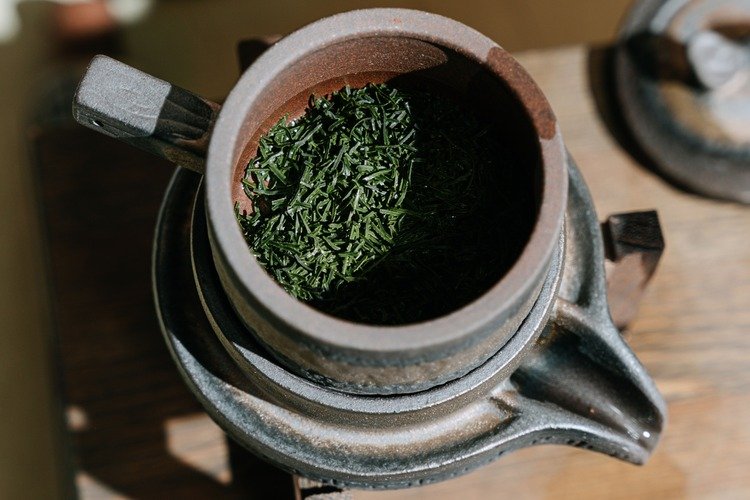
Understanding the plant itself helps explain why mugwort tea has become such an enduring herbal drink.
Mugwort (Artemisia vulgaris) belongs to the Artemisia genus, which contains more than 500 species, including wormwood (Artemisia absinthium), tarragon (Artemisia dracunculus), and southernwood (Artemisia abrotanum).
Despite belonging to the same genus, these plants differ in flavour, chemical composition, and traditional uses.
Mugwort is recognised by its:
- Deep green leaves
- Silvery-white leaf undersides
- Reddish stems
- Small reddish-yellow flowers
- Distinct aromatic scent
The leaves used for mugwort tea are usually harvested before flowering, when they are believed to have the most balanced flavour. After harvesting, they are carefully dried in a cool, well-ventilated area to preserve their aroma before being stored for later use.
Mugwort Tea Around the World
One of the most fascinating aspects of mugwort tea is how different cultures have embraced the herb in unique ways. While the plant is the same, traditions surrounding mugwort tea vary considerably depending on the country.
Mugwort Tea in Japan
In Japan, mugwort is known as yomogi and has been valued for centuries. Although it is perhaps best known as the ingredient that gives yomogi mochi its characteristic green colour and earthy flavour, mugwort tea also has a long history.
Japanese families have traditionally gathered young spring leaves to prepare herbal infusions and seasonal dishes. Spring is considered the ideal harvesting time because the tender leaves produce a gentler flavour.
Today, mugwort tea is sold throughout Japan in tea bags and loose-leaf blends, often alongside other traditional herbal teas. It is commonly enjoyed as a caffeine-free drink after meals or during quiet moments of relaxation.
Some modern Japanese cafés even combine mugwort with roasted grains or green tea to create unique seasonal beverages.
Mugwort Tea in Korea
In Korea, mugwort is called ssuk, and it occupies a special place in both cuisine and traditional culture.
Fresh mugwort is widely used in spring recipes, but mugwort tea also remains a familiar herbal drink. It is often prepared using carefully dried leaves that have been harvested while young and aromatic.
Korean households have traditionally associated spring herbs with seasonal renewal, and mugwort is one of the plants most closely linked with this time of year.
Alongside mugwort tea, the herb appears in:
- Rice cakes (ssuk tteok)
- Pancakes
- Soups
- Rice porridge
- Herbal broths
Many Korean herbal shops continue to sell dried mugwort specifically for brewing tea, reflecting the herb’s enduring popularity.
Mugwort Tea in China
China has one of the longest recorded histories of mugwort use. Within Traditional Chinese Medicine (TCM), the herb is perhaps most famous for its role in moxibustion, where dried mugwort is burned near acupuncture points.
However, mugwort tea has also been consumed in various regions as a traditional herbal infusion.
Historically, it was often prepared using freshly harvested leaves during seasonal festivals, particularly around the Dragon Boat Festival, when mugwort symbolised protection and health.
Today, mugwort tea can still be found in herbal markets throughout China, either on its own or blended with complementary herbs according to traditional practices.
Mugwort Tea Traditions in Europe, the UK and North America
Although mugwort is often associated with Asian herbal traditions today, the history of mugwort tea in Europe is equally fascinating. For centuries, European communities gathered mugwort from hedgerows, meadows, and woodland edges, using the herb as both a practical household plant and a traditional remedy.
In medieval Europe, mugwort was considered an important medicinal herb and appeared in many herbal manuscripts. People commonly prepared mugwort tea as a bitter herbal infusion, particularly after meals or during seasonal changes.
The herb was also associated with folklore and protection. Travellers traditionally carried mugwort during long journeys, and some believed the plant could protect against exhaustion or misfortune. While these beliefs belong to cultural history rather than modern science, they demonstrate how significant mugwort became in everyday life.
Mugwort Tea in the United Kingdom
In the UK, mugwort (Artemisia vulgaris) is a native wild plant commonly found along roadsides, riverbanks, hedgerows, and waste ground.
Historically, British herbalists valued mugwort tea as part of traditional herbal practice. The herb appeared in old remedies focused on digestion, women’s health, and general wellbeing.
Today, interest in mugwort tea has grown alongside the wider revival of traditional herbalism. Many people enjoy it as:
- A caffeine-free herbal alternative
- A connection to traditional British plant knowledge
- A botanical ingredient in homemade herbal blends
Wild harvesting has also become more popular, although anyone collecting mugwort should ensure correct identification and avoid plants growing near polluted areas such as busy roadsides.
Mugwort Tea in North America
Mugwort was introduced to North America and has since become widely naturalised. It grows across many regions, particularly in temperate areas.
Modern interest in mugwort tea in North America is closely linked to the growth of herbal wellness communities. Many herbal enthusiasts explore traditional European and Asian uses of mugwort, while others enjoy it simply as an unusual botanical tea.
Today, dried mugwort leaves are available through:
- Herbal suppliers
- Specialist tea companies
- Botanical shops
- Online retailers
As with all herbal products, quality varies, so choosing reputable suppliers is important.
Traditional Uses of Mugwort Tea
The popularity of mugwort tea comes largely from centuries of traditional use. Across different cultures, herbalists have used mugwort for a variety of purposes.
It is important to understand that traditional use does not automatically mean a treatment has been scientifically proven. However, studying traditional practices can help researchers identify plants that may contain interesting compounds worthy of further investigation.
Some traditional uses of mugwort tea include:
Digestive Support
One of the most common historical uses of mugwort tea was supporting digestion.
Because mugwort has a naturally bitter flavour, traditional herbalists classified it as a “bitter herb.” Bitter plants have long been associated with stimulating digestive processes.
Historically, people drank mugwort tea to support:
- Appetite
- Comfortable digestion
- Occasional bloating
- General stomach wellbeing
Similar bitter herbs, such as dandelion and gentian, have also been traditionally used in this way.
Modern research has investigated the compounds responsible for mugwort’s bitter qualities, although more human studies are needed to confirm specific digestive effects.
Mugwort Tea and Traditional Women’s Health
Another important historical use of mugwort tea relates to women’s traditional herbal practices.
Across Europe and Asia, mugwort was sometimes associated with menstrual health and was traditionally used to:
- Support regular cycles
- Ease occasional menstrual discomfort
- Promote circulation
Because of these historical associations, mugwort developed a reputation as an herb connected with feminine wellness.
However, modern safety guidance recommends caution. Mugwort has traditionally been associated with stimulating menstrual flow, and there is not enough evidence to confirm its safety during pregnancy.
Pregnant individuals should avoid using medicinal amounts of mugwort unless advised by a qualified healthcare professional.
Mugwort Tea and Relaxation Traditions
For generations, mugwort tea has been connected with relaxation rituals and evening routines.
In folklore, mugwort became known as the “dream herb,” with stories suggesting that drinking the tea or placing dried leaves near the bed could encourage vivid dreams.
These traditions are particularly common in European herbal folklore and modern spiritual communities.
While there is limited scientific evidence proving that mugwort tea affects dreams, many people continue to enjoy it as part of a calming bedtime ritual.
The ritual itself—the act of preparing a warm herbal drink, slowing down, and creating a moment of relaxation—may contribute to a sense of wellbeing.
Discover the different species of mugwort
What Compounds Are Found in Mugwort Tea?
The interest in mugwort tea has encouraged researchers to study the natural compounds found within the plant.
Mugwort contains several groups of plant chemicals, including:
Flavonoids
Flavonoids are naturally occurring plant compounds found in many fruits, vegetables, and herbs.
They are widely researched because of their antioxidant properties.
Essential Oils
Mugwort contains aromatic compounds responsible for its distinctive scent.
These volatile oils contribute to the herb’s:
- Earthy aroma
- Herbal flavour
- Traditional use in aromatic preparations
Terpenoids
Terpenoids are a large group of natural plant chemicals that contribute to fragrance and biological activity.
Phenolic Compounds
Phenolic compounds are studied for their antioxidant activity and role in plant defence systems.
Although these compounds are scientifically interesting, drinking mugwort tea does not necessarily provide the same effects observed in laboratory studies. More human research is required.
Potential Benefits of Mugwort Tea: What Does Science Say?
Many people search for mugwort tea benefits, but it is important to separate traditional beliefs from confirmed scientific evidence.
Research into mugwort is ongoing, and scientists have identified several potentially interesting properties.
Antioxidant Activity
Laboratory studies suggest mugwort contains compounds that may have antioxidant effects.
Antioxidants help protect cells from oxidative stress, although the practical impact of drinking mugwort tea requires further research.
Anti-inflammatory Potential
Some laboratory studies have explored whether mugwort extracts may influence inflammatory pathways.
While early findings are interesting, researchers cannot yet confirm whether drinking mugwort tea produces meaningful anti-inflammatory effects in humans.
Digestive Traditionally Supported
The bitter compounds found in mugwort have historically been associated with digestion.
Many herbal traditions continue to use mugwort tea after meals, although clinical evidence remains limited.
Traditional Relaxation Use
Many people enjoy mugwort tea as a calming herbal drink.
The warm beverage ritual, aromatic flavour, and caffeine-free nature may make it a relaxing alternative to traditional caffeinated drinks.
How to Make Mugwort Tea
Making mugwort tea is simple, requiring only dried mugwort leaves and hot water.
Basic Mugwort Tea Recipe
Ingredients:
- 1 teaspoon dried mugwort leaves
- 250 ml hot water
- Honey or lemon (optional)
Instructions:
- Bring fresh water to the boil.
- Allow the water to cool slightly for around one minute.
- Add the dried mugwort leaves to a cup or teapot.
- Pour over the hot water.
- Cover and allow the tea to steep for 3–5 minutes.
- Strain the leaves.
- Add honey or lemon if desired.
The flavour of mugwort tea can become quite bitter if brewed too strongly, so beginners may prefer a shorter steeping time.
Tips for Improving the Flavour of Mugwort Tea
Because mugwort tea has a naturally herbal and bitter taste, many people enjoy blending it with other ingredients.
Popular additions include:
Honey
Honey adds natural sweetness and balances mugwort’s bitterness.
Lemon
Fresh lemon brightens the flavour and adds a refreshing citrus note.
Ginger
Ginger creates a warming herbal blend that complements mugwort’s earthy character.
Mint
Mint provides a cooling contrast and creates a lighter-tasting herbal tea.
Cinnamon
Cinnamon adds warmth and sweetness, making it suitable for colder months.
Creating blends is one of the easiest ways to make mugwort tea more enjoyable while experimenting with different flavours.
Important Safety Considerations Before Drinking Mugwort Tea
Although mugwort tea has a long history of traditional use, it is not suitable for everyone.
Allergies
Mugwort belongs to the Asteraceae family, which includes plants such as:
- Ragweed
- Chamomile
- Chrysanthemums
- Marigolds
People sensitive to these plants may experience allergic reactions.
Possible symptoms include:
- Sneezing
- Itchy eyes
- Skin irritation
- Hay fever symptoms
Pregnancy and Breastfeeding
Because mugwort has historical associations with stimulating menstruation, pregnant individuals should avoid medicinal amounts of mugwort tea unless advised by a healthcare professional.
There is insufficient safety information regarding breastfeeding.
Medication Considerations
Anyone taking prescription medication or managing a health condition should discuss herbal products with a healthcare professional before regular use.
Herbs can contain active compounds that may interact with medications.
8 Easy Mugwort Tea Recipes From Around the World
One of the reasons mugwort tea has remained popular for generations is its versatility. While some people enjoy the pure herbal flavour of mugwort leaves steeped in hot water, many cultures combine the plant with other ingredients to create more balanced and enjoyable drinks.
The naturally earthy and slightly bitter taste of mugwort tea pairs particularly well with warming spices, citrus fruits, sweeteners, and other aromatic herbs.
Below are several easy recipes inspired by traditional preparations and modern herbal tea blends.
1. Traditional Mugwort Tea Recipe
This simple preparation allows the natural flavour of mugwort to shine.
It is the classic way many people first experience mugwort tea and requires only dried leaves and hot water.
Ingredients
- 1 teaspoon dried mugwort leaves
- 250 ml hot water
- Honey (optional)
Instructions
- Heat fresh water until just below boiling point.
- Place the dried mugwort leaves into a teapot or tea infuser.
- Pour the hot water over the leaves.
- Cover and allow the tea to steep for 3–5 minutes.
- Strain the leaves.
- Add honey if you prefer a sweeter flavour.
Flavour tip:
If you find the taste too bitter, reduce the brewing time or use slightly fewer leaves. Young dried leaves generally produce a smoother cup.
2. Japanese Yomogi Mugwort Tea
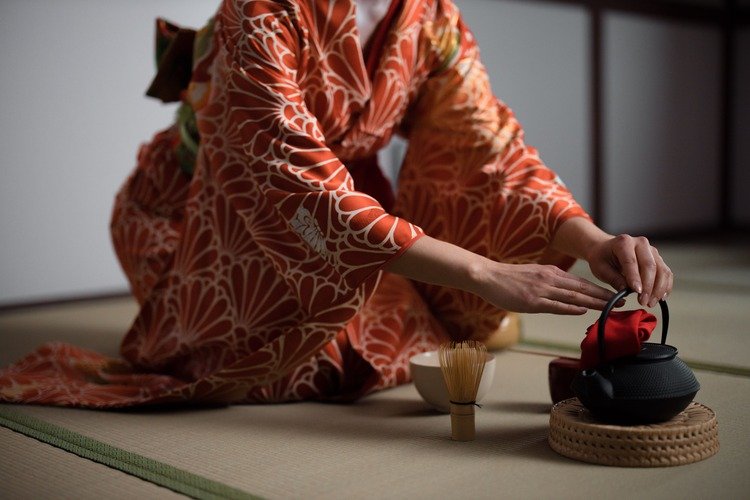
In Japan, mugwort is known as yomogi and has been enjoyed for centuries in food and herbal drinks.
Japanese-style mugwort tea often focuses on simplicity, allowing the delicate aroma of the herb to remain the main feature.
Ingredients
- 5–10 dried yomogi (Japanese mugwort) leaves
- 300 ml water
Instructions
- Place dried yomogi leaves into a small teapot.
- Add hot water.
- Allow the leaves to steep for around 5 minutes.
- Strain and serve warm.
For a traditional Japanese experience, this tea can be enjoyed alongside seasonal sweets such as yomogi mochi.
The combination of herbal bitterness and sweet flavours is an important part of Japanese appreciation for balanced tastes.
3. Korean Ssuk Mugwort Tea
In Korea, mugwort is called ssuk and is strongly associated with spring.
Korean preparations often celebrate the fresh green character of young mugwort leaves.
This version creates a gentle and refreshing mugwort tea that highlights the traditional Korean approach.
Ingredients
- 1 tablespoon dried mugwort leaves
- 300 ml water
- 1 teaspoon honey
- Optional slice of ginger
Instructions
- Bring water to a gentle boil.
- Add dried mugwort leaves.
- Reduce heat and allow the mixture to steep for 5 minutes.
- Strain into a cup.
- Add honey and ginger if desired.
The ginger adds warmth and helps balance the herbal bitterness of the mugwort.
4. Mugwort Honey Lemon Tea
This is one of the easiest ways for beginners to enjoy mugwort tea.
The sweetness of honey and freshness of lemon soften mugwort’s stronger herbal notes.
Ingredients
- 1 teaspoon dried mugwort
- 250 ml hot water
- 1 teaspoon honey
- 2–3 slices fresh lemon
Instructions
- Brew the mugwort tea using hot water.
- Allow it to steep for 3–5 minutes.
- Strain the leaves.
- Stir in honey while the tea is warm.
- Add lemon slices before serving.
This version works particularly well as a morning herbal drink or an afternoon alternative to caffeinated beverages.
5. Ginger and Cinnamon Mugwort Tea
A warming blend inspired by traditional herbal combinations.
Ginger and cinnamon complement the earthy character of mugwort tea, creating a comforting drink during colder months.
Ingredients
- 1 teaspoon dried mugwort
- 1 small piece fresh ginger
- Half a cinnamon stick
- 300 ml water
- Honey to taste
Instructions
- Add ginger and cinnamon to a saucepan with water.
- Simmer gently for 5 minutes.
- Remove from heat.
- Add mugwort leaves.
- Allow to steep for another 3 minutes.
- Strain and add honey.
This recipe creates a richer, spiced version of mugwort tea with a warming aroma.
6. Iced Mugwort Tea
Although traditionally served warm, mugwort tea can also make a refreshing iced herbal drink.
This is particularly enjoyable during summer when fresh herbs and citrus flavours are popular.
Ingredients
- 2 teaspoons dried mugwort
- 500 ml water
- Ice cubes
- Lemon slices
- Fresh mint leaves
- Honey or maple syrup
Instructions
- Brew a stronger batch of mugwort tea using hot water.
- Allow it to cool completely.
- Sweeten while still warm if desired.
- Refrigerate for several hours.
- Serve over ice.
- Add lemon and mint before drinking.
The cooling effect of mint helps balance the earthy flavour of the mugwort.
7. Mugwort Tea Latte
For those who enjoy creamy herbal drinks, a mugwort latte provides a modern twist.
This recipe combines traditional herbal tea with the comfort of a warm milk-based drink.
Ingredients
- 1 teaspoon dried mugwort
- 150 ml hot water
- 150 ml milk or plant-based milk
- Honey or vanilla extract
- Optional cinnamon
Instructions
- Brew mugwort tea using hot water.
- Strain after 5 minutes.
- Warm the milk gently.
- Combine the tea and milk.
- Add honey, vanilla, or cinnamon.
- Stir well before serving.
Oat milk and almond milk work particularly well because their natural sweetness balances the herbal flavour.
8. Mugwort Tea Blend With Mint and Chamomile
This gentle herbal blend combines several traditional tea ingredients.
Ingredients
- Half teaspoon dried mugwort
- Half teaspoon dried chamomile
- Half teaspoon dried peppermint
- 300 ml hot water
- Honey optional
Instructions
- Mix the dried herbs together.
- Place them into a tea infuser.
- Pour over hot water.
- Steep for 5 minutes.
- Strain and enjoy.
The mint adds freshness, while chamomile provides a softer floral flavour.
How to Harvest Mugwort for Tea
For those who grow herbs or enjoy foraging, harvesting your own mugwort can be an interesting way to experience the plant.
However, correct identification is essential.
Mugwort (Artemisia vulgaris) can be identified by:
- Dark green leaves
- Silvery-white undersides
- Strong herbal aroma
- Upright reddish stems
- Small clustered flowers
Best Time to Harvest
The best time to harvest leaves for mugwort tea is usually:
- Late spring
- Early summer
- Before flowering
Young leaves tend to have a milder flavour compared with older leaves.
Harvesting Tips
When collecting mugwort:
- Avoid roadsides with heavy traffic
- Avoid areas treated with pesticides
- Never harvest if unsure of identification
- Wash fresh leaves thoroughly
Foraging should always be done responsibly and legally, respecting local regulations and wildlife.
Learn how to identify mugwort correctly before harvesting
How to Dry Mugwort Leaves for Tea
Drying is the traditional method used to preserve mugwort.
Step-by-Step Drying Method
- Gather healthy leaves and remove damaged sections.
- Wash gently if necessary.
- Allow leaves to dry completely.
- Tie small bundles together.
- Hang upside down in a dark, dry, well-ventilated place.
- Wait until leaves become crisp.
- Store in an airtight container.
Properly dried mugwort can maintain its aroma for many months.
How to Store Mugwort Tea
Correct storage helps maintain flavour and quality.
Keep dried mugwort:
- In an airtight glass jar
- Away from direct sunlight
- Away from moisture
- Away from strong-smelling foods
A cool cupboard is usually ideal.
Over time, dried herbs naturally lose some aroma and flavour, so replacing older supplies regularly is recommended.
When Is the Best Time to Drink Mugwort Tea?
There is no officially established ideal time for drinking mugwort tea, but many traditional practices associate it with certain moments.
After Meals
Because of its bitter herbal character, some people prefer drinking it after eating.
Evening Relaxation
Many people enjoy mugwort tea in the evening as part of a calming routine because it contains no caffeine.
Seasonal Rituals
In several cultures, mugwort is associated with seasonal transitions, particularly spring.
The best time to enjoy mugwort tea ultimately depends on personal preference and how your body responds.
How Much Mugwort Tea Should You Drink?
There are no universally agreed guidelines for daily mugwort tea consumption.
Because mugwort contains biologically active compounds, it is best approached like any herbal product:
- Start with a small amount
- Avoid excessive consumption
- Pay attention to how your body reacts
- Seek professional advice if you have health conditions or take medication
Traditional herbal use does not always provide enough information about long-term safety.
Final Thoughts on Preparing Mugwort Tea
From traditional Japanese yomogi tea to Korean ssuk preparations and modern honey-lemon blends, mugwort tea demonstrates how one humble herb can become part of many different cultures and traditions.
Its distinctive flavour may take some getting used to, but experimenting with different recipes allows you to discover the preparation that best suits your taste.
Whether enjoyed as a simple herbal infusion, a seasonal drink, or a creative tea blend, mugwort tea remains a fascinating example of the connection between plants, culture, and human tradition.
Frequently Asked Questions About Mugwort Tea
As interest in traditional herbal drinks continues to grow, many people have questions about how mugwort tea is used, whether it is safe, and what makes this ancient infusion different from other herbal beverages.
Below are answers to some of the most common questions people search for about mugwort tea.
How Is Mugwort Tea Different From Other Herbal Teas?
Compared with popular herbal teas such as chamomile, peppermint, or rooibos, mugwort tea has a much stronger historical connection with traditional medicine and folklore.
Some differences include:
| Herbal Tea | Main Characteristic |
|---|---|
| Mugwort tea | Earthy, bitter, traditional herbal use |
| Chamomile tea | Floral, gentle flavour |
| Peppermint tea | Cooling, refreshing taste |
| Ginger tea | Warming and spicy |
| Rooibos tea | Naturally sweet, caffeine-free |
Traditionally, mugwort tea has been used for digestive support, seasonal wellness, relaxation rituals, and as part of cultural herbal practices in Europe and Asia.
Historically, herbalists used mugwort because of its bitter compounds and aromatic properties. In different countries, it has been associated with:
- Supporting digestion after meals
- Traditional menstrual wellness
- Relaxation routines
- Seasonal herbal preparations
- Cultural and ceremonial practices
However, many traditional uses of mugwort tea have not been confirmed through large-scale human clinical studies. Current research is still investigating the plant’s naturally occurring compounds and their possible effects.
One of the most interesting traditional associations with mugwort tea is its connection with dreams and nighttime rituals.
For centuries, mugwort has been called the “dream herb” in folklore. Some traditions suggested that drinking mugwort tea or keeping dried mugwort near the bed could encourage vivid dreams.
While this belief has a strong cultural history, there is currently limited scientific evidence showing that mugwort tea directly improves sleep quality.
Some people may still find it relaxing because:
- It is naturally caffeine-free
- Preparing herbal tea can create a calming routine
- Warm drinks may encourage relaxation before bedtime
Individual experiences vary, and more research is needed.
There are currently no universally accepted guidelines for how often mugwort tea should be consumed.
Although many cultures have traditionally enjoyed mugwort as an occasional herbal drink, regular long-term use has not been extensively studied.
If you choose to drink mugwort tea, sensible approaches include:
- Start with a small amount
- Avoid drinking excessive quantities
- Take breaks rather than consuming large amounts continuously
- Monitor how your body responds
People who are pregnant, breastfeeding, taking medication, or managing health conditions should seek professional advice before using mugwort regularly.
No. Mugwort tea is generally not recommended during pregnancy.
Historically, mugwort has been associated with stimulating menstruation and uterine activity. Although traditional claims and modern evidence are not always the same, healthcare professionals generally advise caution because safety information during pregnancy is limited.
Pregnant individuals should avoid medicinal amounts of mugwort unless specifically advised by a qualified healthcare provider.
There is currently insufficient reliable information about the safety of mugwort tea while breastfeeding.
Because plant compounds can potentially pass into breast milk, it is best to consult a healthcare professional before using mugwort products during this time.
No. Mugwort tea is naturally caffeine-free because it is made from mugwort leaves rather than the tea plant (Camellia sinensis).
This makes it an alternative for people looking to reduce caffeine consumption.
However, being caffeine-free does not automatically mean an herbal drink is suitable for everyone. Mugwort still contains naturally occurring active compounds that may not be appropriate for certain individuals.
The flavour of mugwort tea is often described as:
- Earthy
- Herbal
- Slightly bitter
- Mildly floral
- Aromatic
The taste can vary depending on:
- The age of the leaves
- The drying process
- Brewing time
- Growing conditions
Many beginners prefer combining mugwort tea with honey, lemon, ginger, mint, or cinnamon to create a smoother flavour.
No.
Although mugwort and wormwood belong to the same plant family, they are different species.
Mugwort:
- Artemisia vulgaris
- Often used for herbal tea, food, and traditional practices
Wormwood:
- Artemisia absinthium
- Known for its strong bitterness
- Historically associated with absinthe production
Both plants belong to the Artemisia genus but should not be considered interchangeable.
Yes, fresh leaves can be used to make mugwort tea.
Fresh mugwort often produces a greener, lighter flavour compared with dried leaves.
To make tea from fresh mugwort:
- Select young, healthy leaves.
- Wash them thoroughly.
- Add approximately 5–10 fresh leaves to a cup.
- Pour over hot water.
- Steep for around five minutes.
- Strain before drinking.
Young spring leaves are generally preferred because older leaves can become more bitter.
Mugwort tea is available from many specialist herbal suppliers, online retailers, and traditional tea companies.
When purchasing dried mugwort, look for products that provide:
- Scientific plant name (Artemisia vulgaris)
- Country of origin
- Clear ingredient information
- Responsible sourcing information
Avoid products that make unrealistic medical claims.
Scientific References and Further Reading
When researching traditional herbs, it is important to use reliable sources and understand the difference between traditional knowledge and scientific evidence.
Useful references include:
National Center for Complementary and Integrative Health (NCCIH)
Information about complementary health approaches and herbal products:
National Institutes of Health PubMed Database
A searchable database of scientific studies involving Artemisia vulgaris and related herbs:
https://pubmed.ncbi.nlm.nih.gov
Kew Science – Plants of the World Online
Botanical information about mugwort (Artemisia vulgaris):
Royal Botanic Gardens, Kew
Information about plant identification, taxonomy, and conservation:
World Health Organization Traditional Medicine Resources
Information about traditional medicine practices globally:
Conclusion: Why Mugwort Tea Has Remained Popular for Centuries
Few herbal drinks have such a fascinating combination of history, culture, and tradition as mugwort tea.
From Japanese yomogi preparations and Korean ssuk traditions to European herbal practices and modern wellness communities, mugwort has been valued by different cultures for generations.
Its distinctive earthy flavour, caffeine-free nature, and connection to traditional herbal knowledge continue to attract people interested in botanical drinks.
At the same time, it is important to approach mugwort tea with a balanced perspective. While historical use provides valuable insight into how people have interacted with plants throughout history, modern scientific research is still exploring many of the claims associated with mugwort.
For those interested in herbal traditions, mugwort tea offers more than just a beverage. It provides a connection to centuries of cultural practices, seasonal rituals, and the fascinating relationship between humans and plants.
As with any herbal product, responsible sourcing, moderate use, and awareness of personal health circumstances are essential.