Mugwort Uses
13 Traditional and Modern Ways This Ancient Herb Is Used Today
For thousands of years, mugwort has been valued as one of the world’s most versatile herbs. From ancient healing traditions and culinary recipes to spiritual rituals and modern herbal products, the list of mugwort uses is remarkably diverse. Whether you’ve spotted it in a health food shop, heard about it through traditional Chinese medicine, or simply wondered why it’s called the “dream herb,” mugwort has a fascinating history that continues to intrigue herbal enthusiasts today.
But what exactly is mugwort used for? Are its traditional applications supported by science? And is it safe for everyone to use?
In this guide, we’ll explore the most common mugwort uses, examining both historical traditions and modern research. You’ll discover how different cultures have used this aromatic herb for centuries, what evidence exists for its potential benefits, and the precautions you should know before trying it yourself.
What Is Mugwort?
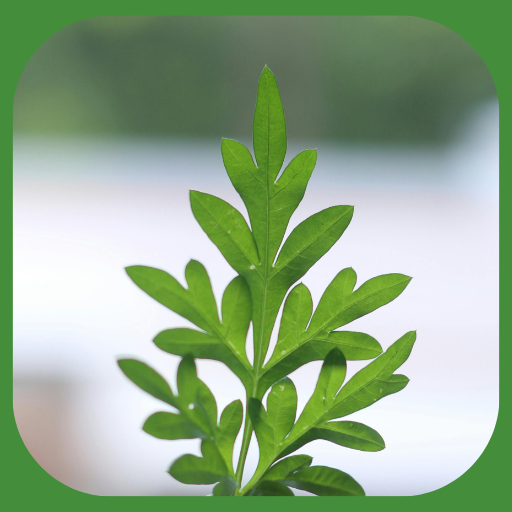
Mugwort (Artemisia vulgaris) is a hardy perennial herb belonging to the Asteraceae family, which also includes daisies, chrysanthemums, and ragweed. Native to Europe, Asia, and parts of North Africa, it has spread naturally across North America and many other temperate regions around the world.
The plant is easy to recognise by its deeply divided green leaves with silvery-white undersides, reddish stems, and small reddish-yellow flowers that bloom during late summer. It has a distinctive earthy aroma and grows vigorously along roadsides, riverbanks, woodland edges, and gardens.
Throughout history, mugwort has been appreciated not only for its fragrance but also for its wide range of practical, culinary, medicinal, and ceremonial uses.
What Is Mugwort Used For?
When people search for mugwort uses, they’re often surprised to learn that the herb has been used in many different ways depending on the culture and time period.
Some of the best-known uses include:
- Herbal teas
- Traditional digestive remedies
- Moxibustion in Traditional Chinese Medicine
- Culinary ingredient
- Aromatherapy and incense
- Women’s traditional herbal medicine
- Natural insect repellent
- Dream rituals and folklore
- Garden companion planting
- Decorative dried arrangements
While many of these uses have deep historical roots, it’s important to distinguish between traditional practices and scientifically proven health benefits.
Let’s explore each in more detail.
1. Mugwort Uses in Traditional Herbal Medicine
Perhaps the most famous of all mugwort uses is its role in traditional herbal medicine.
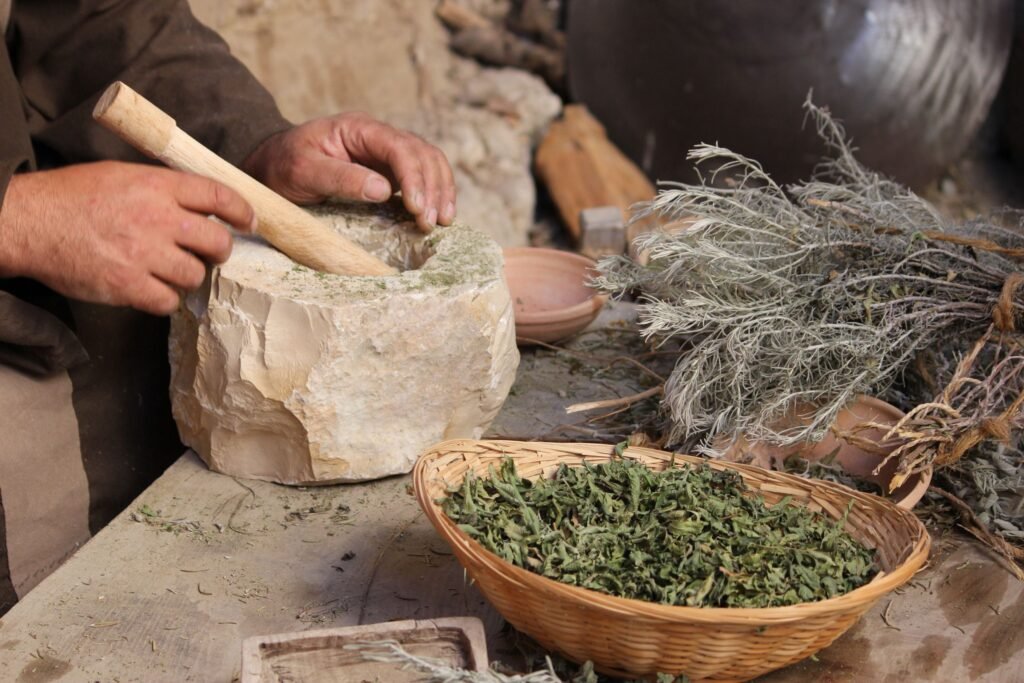
For centuries, herbalists across Europe and Asia prepared mugwort as teas, tinctures, poultices, and infusions. Historical texts describe the herb as one that “warms” the body and supports general wellbeing.
Traditional practitioners commonly recommended mugwort for:
- Mild digestive discomfort
- Temporary bloating
- Reduced appetite
- General fatigue
- Women’s reproductive health
- Seasonal wellness
Many of these historical uses were based on generations of observation rather than modern clinical research. Today, scientists continue investigating the plant’s naturally occurring compounds, including flavonoids, terpenes, and essential oils, to better understand their biological activity.
Current evidence remains limited, and mugwort should not be considered a replacement for evidence-based medical treatment.
2. Mugwort Tea Uses
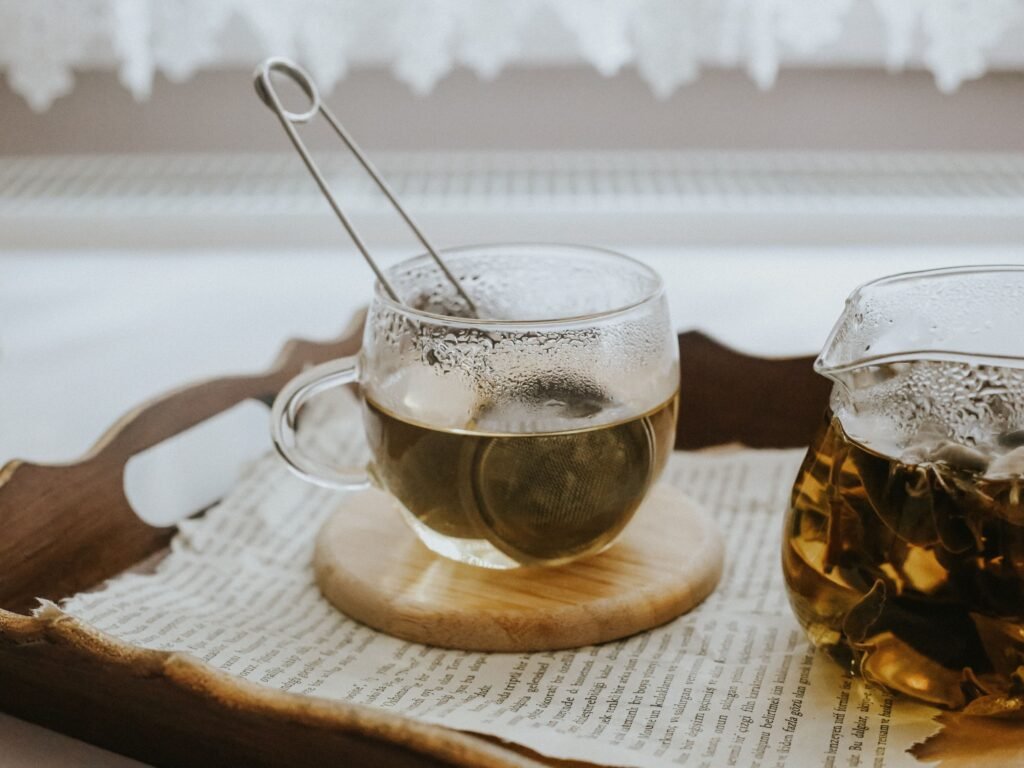
One of the easiest and most popular ways to enjoy mugwort is as a herbal tea.
Dried mugwort leaves have a pleasantly earthy, slightly bitter flavour similar to other herbs in the Artemisia family.
Traditionally, mugwort tea has been consumed for several reasons:
Supporting Digestion
Bitter herbs have long been associated with stimulating digestive secretions.
Herbalists historically believed mugwort tea could:
- Encourage healthy digestion
- Ease feelings of fullness
- Support appetite
- Reduce occasional bloating
Although these traditional claims are well documented, more high-quality human studies are needed before firm conclusions can be made.
Relaxation
Some people enjoy mugwort tea as part of an evening routine because of its long-standing reputation for promoting relaxation.
This association has contributed to its nickname as the “dream herb,” although scientific evidence supporting sleep-related benefits is currently limited.
Seasonal Enjoyment
Many people simply drink mugwort tea because they enjoy its unique herbal taste.
Like peppermint or chamomile, it has become part of the growing interest in botanical wellness beverages.
3. Mugwort Uses in Traditional Chinese Medicine (Moxibustion)
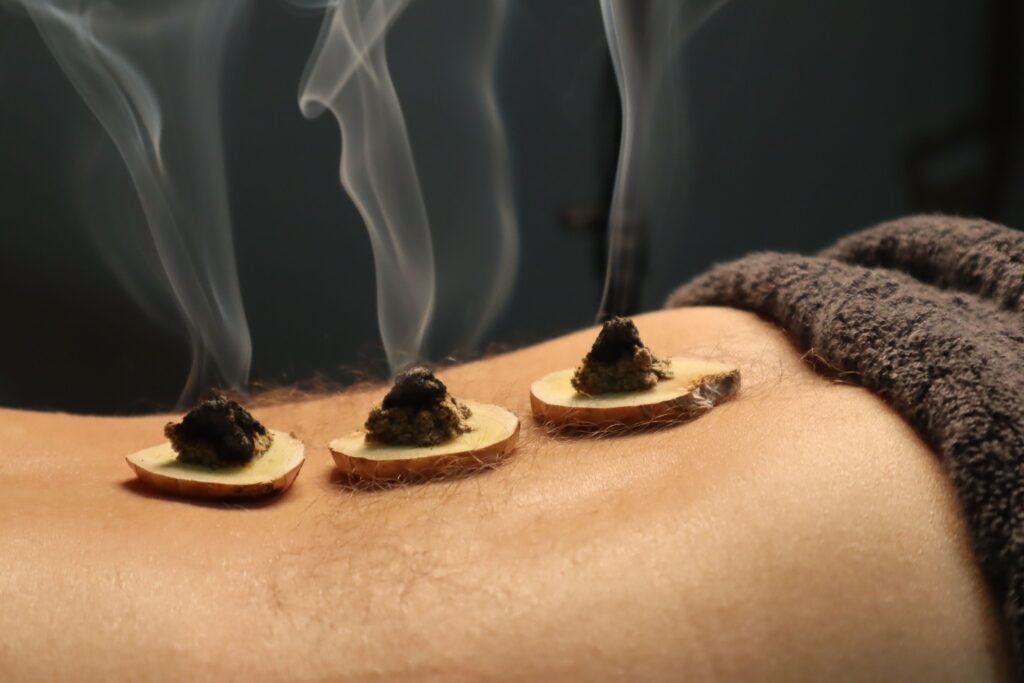
One of the most significant historical mugwort uses is in moxibustion, a therapeutic technique that forms part of Traditional Chinese Medicine (TCM).
Unlike herbal teas or supplements, moxibustion doesn’t involve consuming the herb.
Instead, dried mugwort leaves are processed into a soft material called moxa. The moxa is rolled into sticks or cones and carefully burned near specific acupuncture points to produce gentle warmth.
Traditional practitioners believe this warming therapy may help:
- Promote circulation
- Support energy flow (Qi)
- Warm specific areas of the body
- Complement acupuncture treatments
Moxibustion continues to be practised around the world, particularly in East Asia.
Modern researchers have investigated its use for various conditions, but the quality of evidence varies depending on the specific health issue being studied. Some reviews suggest potential benefits in selected circumstances, while emphasising that further rigorous clinical research is needed.
4. Mugwort Uses for Women’s Traditional Health
Historically, mugwort has often been associated with women’s health.
European herbal traditions recorded its use for:
- Supporting regular menstrual cycles
- Easing menstrual discomfort
- Promoting circulation
- General reproductive wellness
Because of these historical associations, mugwort was sometimes referred to as a “woman’s herb.”
However, it’s important to understand that traditional use does not necessarily equal proven effectiveness.
Modern healthcare professionals generally advise against using mugwort during pregnancy because some traditional herbal texts describe it as stimulating uterine activity. There is insufficient high-quality evidence confirming its safety during pregnancy or breastfeeding.
Anyone considering herbal supplements during these periods should seek medical advice first.
5. Culinary Mugwort Uses Around the World
Although many people know mugwort only as a medicinal herb, it has a surprisingly long culinary history.
Young mugwort leaves have been used in cooking across several Asian countries for centuries.
Japan
Known as yomogi, mugwort is a traditional ingredient in Japanese cuisine.
One of its best-known uses is in yomogi mochi, a green rice cake flavoured with young mugwort leaves. The herb gives the mochi its distinctive colour, aroma, and slightly earthy flavour.
It is also used in:
- Rice dishes
- Soups
- Herbal teas
- Seasonal spring recipes
Korea
In Korea, mugwort (known as ssuk) is considered a traditional spring vegetable.
Fresh leaves are commonly added to:
- Rice cakes
- Pancakes
- Soups
- Porridge
- Herbal drinks
China
Chinese cuisine also incorporates young mugwort leaves into various regional dishes, especially during seasonal festivals.
The leaves are generally harvested while still tender, as older leaves become increasingly bitter.
6. Mugwort Uses in Aromatherapy and Incense
The herb’s pleasant earthy fragrance has made it popular in incense and aromatic products for centuries.
Historically, dried mugwort bundles were burned during ceremonies throughout Europe and Asia.
Today, mugwort is still used in:
- Herbal incense
- Aromatic sachets
- Potpourri
- Dried wreaths
- Botanical home fragrances
Some people enjoy the herb simply because its aroma creates a calming atmosphere.
It’s worth noting that burning herbs produces smoke, which may irritate sensitive individuals or those with respiratory conditions.
7. Mugwort Uses in Folklore and Spiritual Traditions
Few herbs have inspired as much folklore as mugwort.
Throughout medieval Europe, travellers tucked sprigs of mugwort into their boots before embarking on long journeys. According to tradition, this would reduce fatigue and protect them from harm.
Other historical beliefs suggested mugwort could:
- Ward off evil spirits
- Protect homes
- Encourage vivid dreams
- Improve dream recall
- Bring good fortune
- Enhance intuition
In parts of China and Japan, bundles of mugwort were traditionally hung near doorways during seasonal festivals to symbolically protect households from negative influences.
While these customs remain culturally significant, they are best understood as folklore rather than scientifically supported practices.
8. Mugwort as a Natural Insect Repellent
Long before modern insect sprays existed, people relied on aromatic plants to deter pests.
Mugwort was one of the herbs commonly placed inside homes, wardrobes, and bedding because its strong scent was believed to discourage insects.
Historically it was used to help repel:
- Moths
- Fleas
- Midges
- Mosquitoes
Although some laboratory studies suggest certain compounds in mugwort essential oil may have insect-repelling properties, effectiveness varies, and commercial insect repellents generally provide more reliable protection.
9. Mugwort Uses in Skincare and Herbal Beauty Products
As interest in natural skincare has grown, mugwort has become an increasingly popular ingredient in creams, serums, facial masks, cleansers, and body lotions. In particular, Korean skincare brands have helped introduce mugwort to a wider audience, promoting it as a botanical ingredient suitable for calming and nourishing the skin.
Mugwort contains naturally occurring plant compounds, including flavonoids, antioxidants, and essential oils, which researchers are continuing to study for their biological activity. Laboratory studies suggest some of these compounds may have antioxidant and anti-inflammatory properties, although results from laboratory research do not necessarily translate into proven benefits for human skin.
Today, mugwort is commonly found in skincare products marketed for:
- Dry or dehydrated skin
- Sensitive skin
- Redness-prone complexions
- Soothing after sun exposure
- Supporting the skin’s natural barrier
While many users report positive experiences, scientific evidence supporting these cosmetic claims remains limited. As with any new skincare ingredient, it’s sensible to perform a patch test before applying products more widely, particularly if you have sensitive skin or allergies.
10. Mugwort Uses in the Garden
Mugwort isn’t only valued for human use—it can also be a useful addition to the garden.
Its aromatic foliage has made it a traditional companion plant, with gardeners believing that its strong scent helps deter certain insects. Although research into its effectiveness as a natural pest repellent is mixed, many gardeners still appreciate mugwort for its fragrance and resilience.
Mugwort is also popular because it:
- Attracts pollinating insects such as bees and butterflies
- Tolerates poor soils and dry conditions
- Requires relatively little maintenance once established
- Adds height and texture to herbaceous borders
However, gardeners should exercise caution before planting it. Mugwort spreads vigorously through underground rhizomes and can quickly take over flower beds if left unchecked. Growing it in containers or using root barriers can help prevent unwanted spreading.
11. Mugwort Uses in Dried Floral Arrangements
The silvery foliage and airy flower heads of mugwort have made it a favourite among florists and craft enthusiasts.
Once dried, mugwort retains much of its attractive appearance and subtle herbal fragrance, making it suitable for:
- Dried bouquets
- Wreaths
- Seasonal decorations
- Potpourri
- Botanical craft projects
Its natural texture pairs well with other dried flowers and grasses, particularly in rustic or cottage-style arrangements.
12. Mugwort Essential Oil
Mugwort essential oil is produced by steam-distilling the leaves and flowering tops of the plant.
Because it is highly concentrated, the essential oil differs significantly from dried herbs or herbal teas.
It is sometimes used in:
- Aromatherapy blends
- Massage oils (when heavily diluted)
- Home fragrance products
- Cosmetic formulations
However, mugwort essential oil should be used with great care.
Certain naturally occurring compounds, including thujone, may be present depending on the plant species and extraction method. High concentrations can be harmful if ingested or misused.
For this reason:
- Never consume mugwort essential oil unless specifically advised by a qualified healthcare professional.
- Always dilute essential oils before applying them to the skin.
- Keep essential oils out of reach of children and pets.
13. Mugwort Uses in Modern Herbal Wellness
Today, mugwort appears in a growing number of herbal wellness products.
These include:
- Herbal teas
- Capsules
- Tinctures
- Dried herbs
- Incense
- Herbal bath products
Many people choose mugwort simply because they enjoy traditional herbal practices or appreciate its historical significance.
However, it’s important to remember that herbal supplements are not regulated in the same way as prescription medicines in many countries. Product quality, strength, and purity can vary between manufacturers.
When purchasing herbal products, choose reputable brands that provide clear ingredient information and quality testing where possible.
What Does Science Say About Mugwort Uses?
One of the most common questions people ask is whether the traditional mugwort uses are supported by modern scientific research.
The answer is nuanced.
Researchers have identified numerous naturally occurring compounds within mugwort, including:
- Flavonoids
- Phenolic acids
- Terpenoids
- Essential oils
- Coumarins
In laboratory and animal studies, some of these compounds have demonstrated antioxidant, antimicrobial, and anti-inflammatory activity.
However, laboratory findings do not automatically mean the same effects occur in humans.
According to the U.S. National Center for Complementary and Integrative Health (NCCIH), there is currently insufficient high-quality clinical evidence to confirm many of mugwort’s traditional medicinal uses. More well-designed human studies are needed before firm conclusions can be reached.
Similarly, while moxibustion has been studied for a variety of health conditions, results vary, and researchers continue to investigate when and how it may be beneficial.
This doesn’t mean traditional practices have no value—it simply highlights the difference between historical use and evidence-based medicine.
Is Mugwort Safe?
Like many herbs, mugwort can be safely enjoyed by many people when used appropriately. However, it isn’t suitable for everyone.
Allergies
Mugwort belongs to the daisy family (Asteraceae), which also includes:
- Ragweed
- Chamomile
- Chrysanthemums
- Marigolds
- Sunflowers
People with allergies to these plants may experience allergic reactions to mugwort.
Symptoms can include:
- Sneezing
- Runny nose
- Itchy eyes
- Skin irritation
- Contact dermatitis
In some cases, mugwort pollen can also contribute to seasonal hay fever.
Pregnancy
Because mugwort has historically been associated with stimulating menstruation and uterine activity, healthcare professionals generally advise avoiding mugwort during pregnancy.
Breastfeeding
There is currently insufficient evidence regarding the safety of mugwort while breastfeeding.
As a precaution, it is best to seek advice from a healthcare professional before using mugwort products during this period.
Medication Interactions
Although research remains limited, herbal supplements can sometimes interact with prescription medications or underlying medical conditions.
If you:
- Take regular medication
- Have a chronic health condition
- Are preparing for surgery
consult your healthcare provider before taking mugwort supplements.
Frequently Asked Questions About Mugwort Uses
What is mugwort mainly used for?
Traditionally, mugwort has been used in herbal medicine, cooking, moxibustion, aromatherapy, skincare, and cultural ceremonies. Today, it is commonly found in herbal teas, botanical skincare products, and wellness supplements.
Can you drink mugwort tea every day?
There are no universally accepted guidelines for daily mugwort tea consumption. Anyone considering regular use—particularly individuals who are pregnant, breastfeeding, have allergies, or take medication—should consult a healthcare professional.
Is mugwort edible?
Yes. Young mugwort leaves are edible and have long been used in Japanese, Korean, and Chinese cuisine. Older leaves become increasingly bitter and are generally cooked rather than eaten raw.
Why is mugwort called the dream herb?
Mugwort earned this nickname through centuries of folklore suggesting it encouraged vivid dreams and improved dream recall. While many people continue this tradition today, scientific evidence supporting these claims remains limited.
Is mugwort the same as wormwood?
No. Although both belong to the Artemisia genus, mugwort (Artemisia vulgaris) and wormwood (Artemisia absinthium) are different species with distinct chemical compositions and traditional uses.
Conclusion
The wide variety of mugwort uses helps explain why this remarkable herb has remained popular for thousands of years. From traditional medicine and moxibustion to culinary dishes, skincare products, incense, and gardening, mugwort has earned a place in cultures across Europe and Asia through its versatility and rich history.
At the same time, it’s important to separate long-standing tradition from modern scientific evidence. While researchers continue to investigate mugwort’s naturally occurring compounds and potential health benefits, many of its historical medicinal uses have yet to be confirmed by robust clinical studies.
Whether you’re interested in herbal wellness, exploring traditional cuisines, or simply curious about this fascinating plant, mugwort offers a unique glimpse into the enduring relationship between people and medicinal herbs. As with any botanical product, informed use, quality sourcing, and appropriate medical advice are key to using it safely and responsibly.
References
- National Center for Complementary and Integrative Health (NCCIH). Mugwort. Available at: https://www.nccih.nih.gov/health/mugwort
- Royal Horticultural Society. Artemisia vulgaris. Available at: https://www.rhs.org.uk
- Kew Science – Plants of the World Online. Artemisia vulgaris. Available at: https://powo.science.kew.org
- European Medicines Agency (EMA). Assessment reports on herbal medicinal products. Available at: https://www.ema.europa.eu
- National Institutes of Health, PubMed Database. Research on Artemisia vulgaris. Available at: https://pubmed.ncbi.nlm.nih.gov
- World Health Organization. WHO Traditional Medicine Strategy. Available at: https://www.who.int