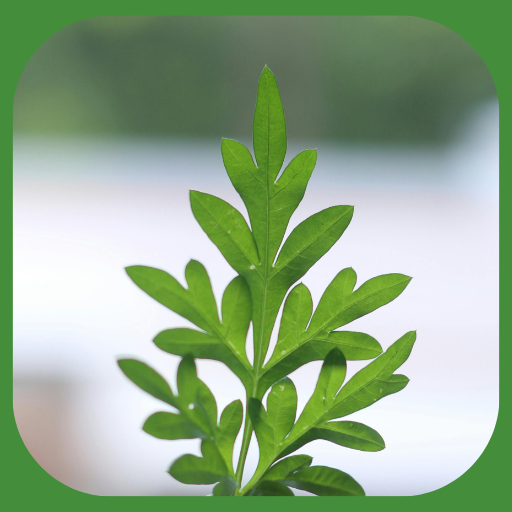
Sweet Wormwood – Artemisia annua
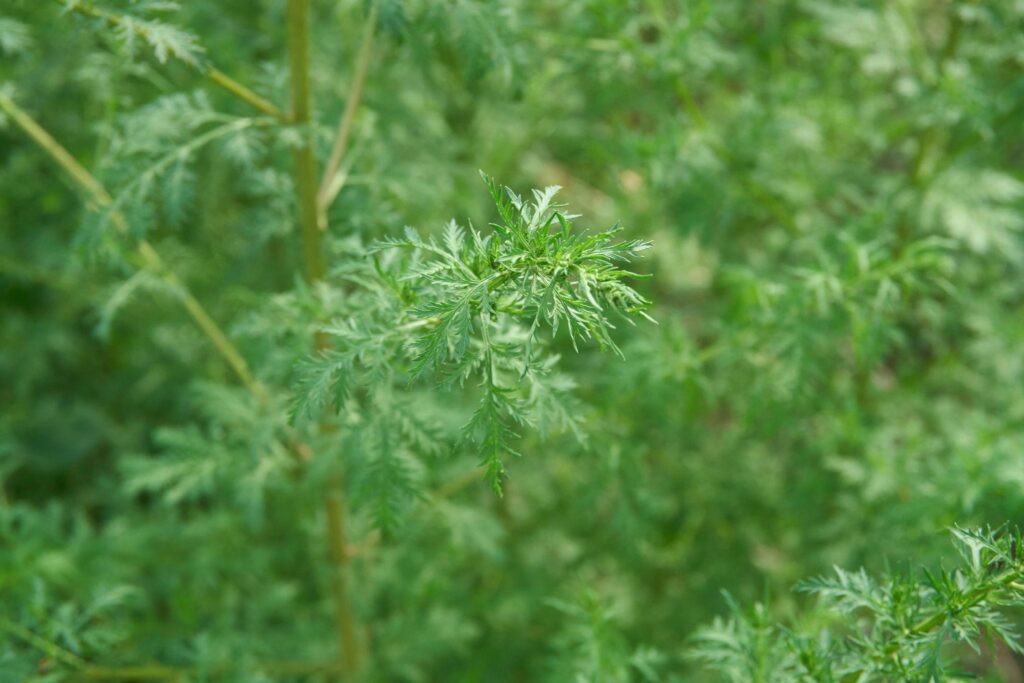
What is Sweet Wormwood?
Sweet Wormwood (Artemisia annua), also known as Sweet Annie, is a fast-growing annual herb in the Artemisia family. It’s known for its feathery green leaves, strong aroma, and traditional herbal use, especially in Asia.
It’s closely related to:
- Artemisia vulgaris (common mugwort)
- Artemisia absinthium (wormwood)
…but differs significantly in appearance and typical uses.
Quick Facts
- Latin name: Artemisia annua
- Common names: Sweet wormwood, Sweet Annie, Annual mugwort
- Plant type: Annual herb
- Height: 2–3 metres
- Native to: China and wider Asia
- Best for: Ornamental growing, herbal interest
How to Identify Sweet Wormwood
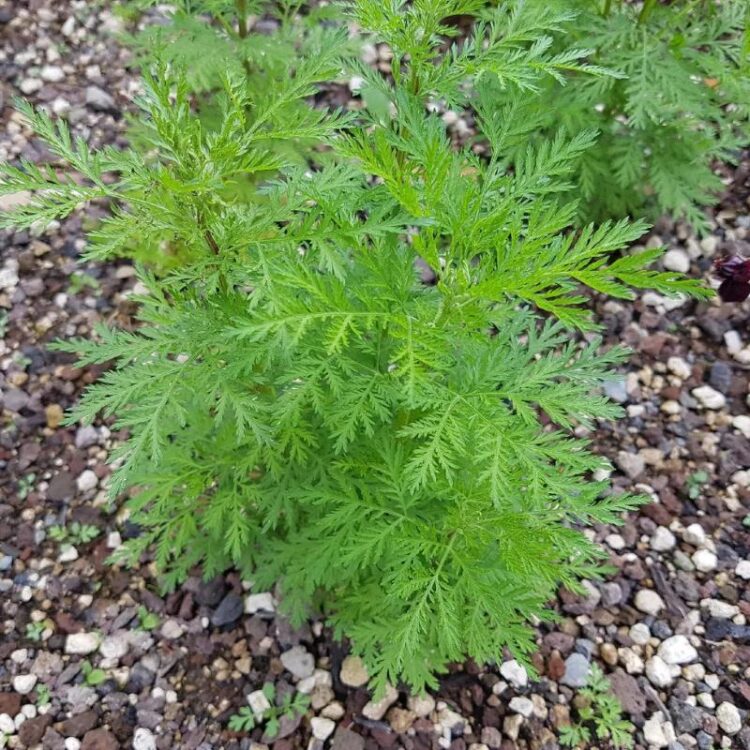
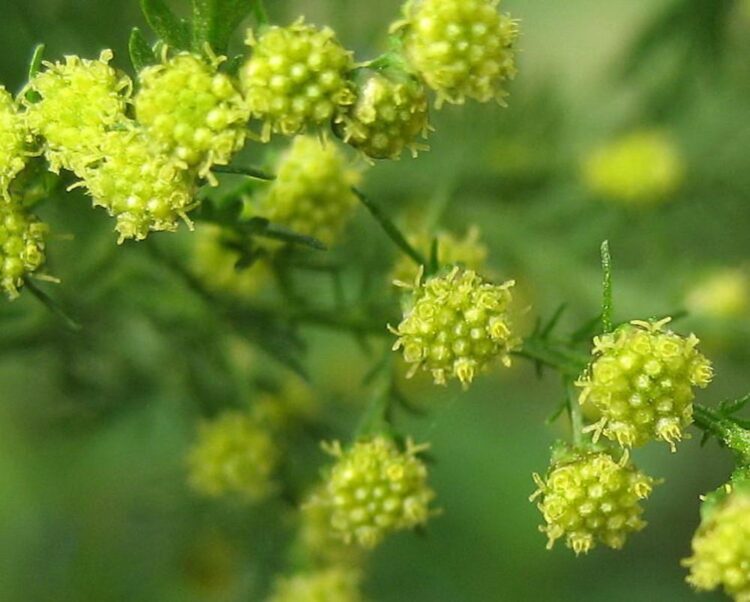
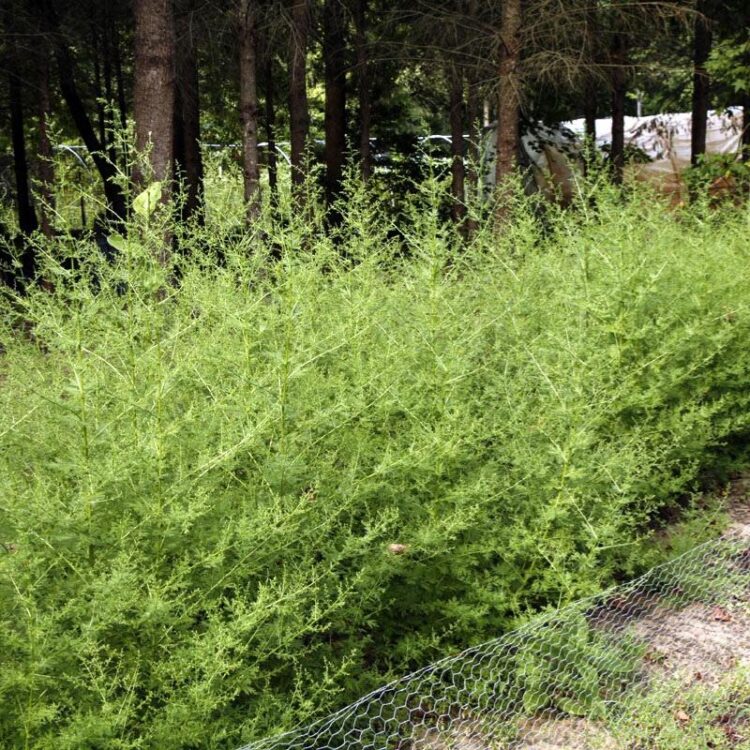
Sweet Annie is one of the easiest Artemisia species to recognise:
- Leaves: Bright green, soft, and finely divided (fern-like)
- Smell: Strong, herbal, slightly sweet aroma when crushed
- Flowers: Small yellow clusters (late summer)
- Growth: Tall, airy, bush-like structure
If you’re unsure, compare with our guide to
➡️ How to identify mugwort in the UK
Uses of Sweet Wormwood
Traditional Herbal Context
Sweet wormwood has been used historically in Asian herbal traditions and is often discussed in relation to plant compounds of scientific interest.
Learn more broadly here:
➡️ Mugwort benefits and traditional uses
Garden & Decorative Use
- Adds height and texture to herb gardens
- Commonly dried for:
- Wreaths
- Floral arrangements
- Potpourri
🦟 Natural Properties
- Strong scent may help repel insects naturally
- Sometimes used in companion planting
⚠️ Safety & Side Effects
Sweet wormwood should be treated with care:
- Avoid during pregnancy or breastfeeding
- May trigger allergies (especially if sensitive to Asteraceae plants)
- Not suitable for casual consumption
👉 Full safety guide:
➡️ Mugwort side effects and safety (UK)
Sweet Wormwood vs Mugwort vs Wormwood
Quick comparison:
- Sweet Wormwood (Artemisia annua) → bright green, soft, feathery
- Common Mugwort (Artemisia vulgaris) → darker leaves, silvery underside
- Wormwood (Artemisia absinthium) → silvery-grey, more bitter aroma
Full breakdown:
➡️ Mugwort vs Wormwood – key differences explained
Growing in the UK
Sweet Annie grows well in the UK with the right conditions:
- ☀️ Full sun
- 🌱 Well-drained soil
- 🌿 Grown from seed each year
See also:
➡️ Can mugwort grow in the UK?
❓ FAQs
What is Sweet Wormwood used for?
Sweet wormwood is mainly used for traditional herbal purposes, ornamental gardening, and dried floral arrangements. It is also valued for its strong aromatic properties.
Is Sweet Wormwood the same as mugwort?
No. While both belong to the Artemisia genus, Sweet Wormwood (Artemisia annua) differs in leaf shape, colour, and typical use from common mugwort.
Can you drink Sweet Wormwood as tea?
Sweet wormwood has been used traditionally, but it should not be consumed without proper knowledge or guidance due to safety considerations.
Does Sweet Wormwood grow in the UK?
Yes. It is not native but can be grown successfully in UK gardens, especially in sunny, well-drained conditions.