What Is Mugwort?
A Complete Guide to Its History, Uses, Benefits, and Safety
If you’ve recently come across mugwort in herbal teas, wellness products, or discussions about traditional medicine, you may be wondering: what is mugwort?
Mugwort is an aromatic herb with a rich history spanning thousands of years. It has been used in traditional medicine, spiritual rituals, cooking, and folklore across Europe, Asia, and North America. While modern herbal enthusiasts continue to explore its potential uses, it’s important to understand both its historical significance and the scientific evidence surrounding it.
In this guide, we’ll answer the question what is mugwort, explore its fascinating origins, examine its traditional medicinal uses, discuss what modern research says, and explain the precautions you should know before using it.
What Is Mugwort?
Mugwort is a perennial flowering plant belonging to the Artemisia genus, with the most well-known species being Artemisia vulgaris. It grows naturally throughout Europe, Asia, and North America, thriving in fields, roadsides, riverbanks, and disturbed ground.
The plant typically grows between 1 and 2 metres tall and is recognised by its:
- Deep green leaves with silvery-white undersides
- Small reddish or yellowish flower clusters
- Distinct earthy, herbal aroma
- Woody stems
- Extensive root system
Mugwort has long been valued for its fragrant leaves, which have been used in teas, herbal preparations, culinary recipes, incense, and ceremonial practices.
Today, people still cultivate mugwort for herbal gardens, ornamental purposes, and traditional wellness practices.
Botanical Classification
Understanding mugwort’s botanical background helps distinguish it from other herbs in the Artemisia family.
Scientific name:
Artemisia vulgaris
Plant family:
Asteraceae (the daisy family)
Related plants include:
- Wormwood (Artemisia absinthium)
- Tarragon (Artemisia dracunculus)
- Southernwood (Artemisia abrotanum)
Although these plants belong to the same genus, they have different chemical compositions and traditional uses.
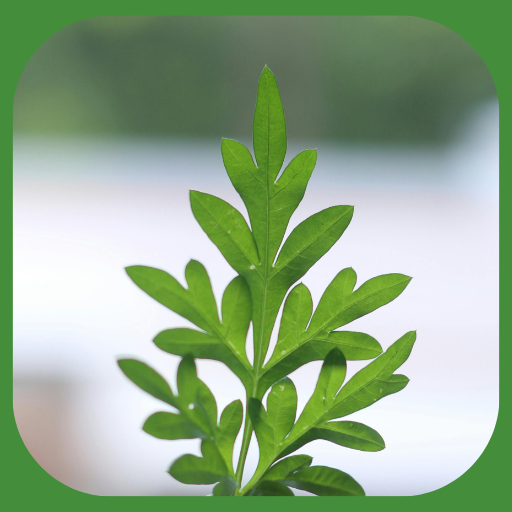
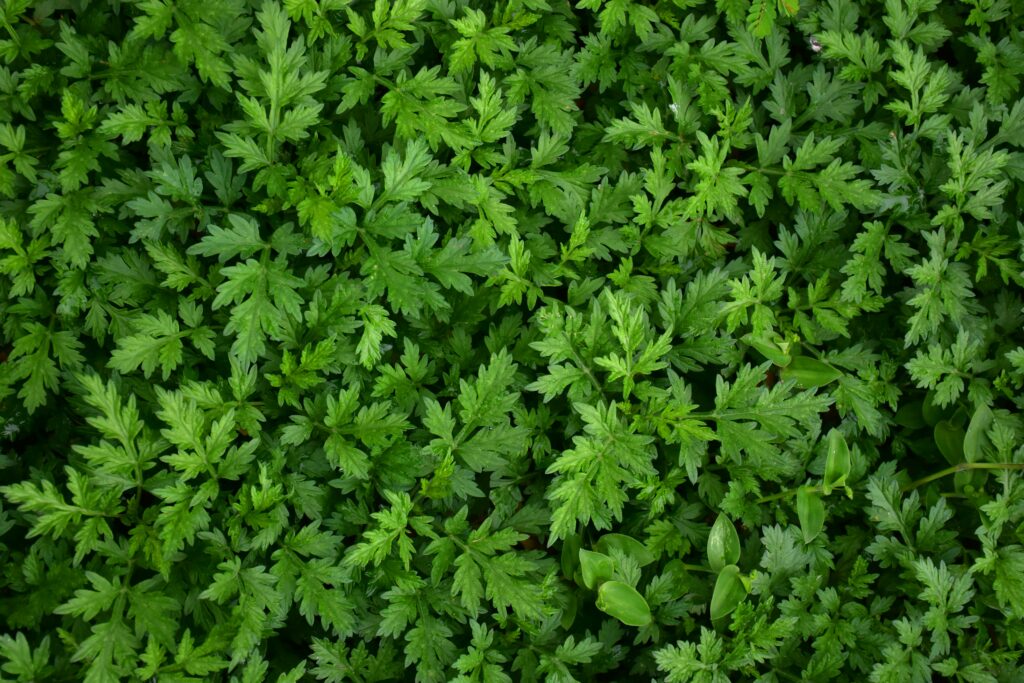
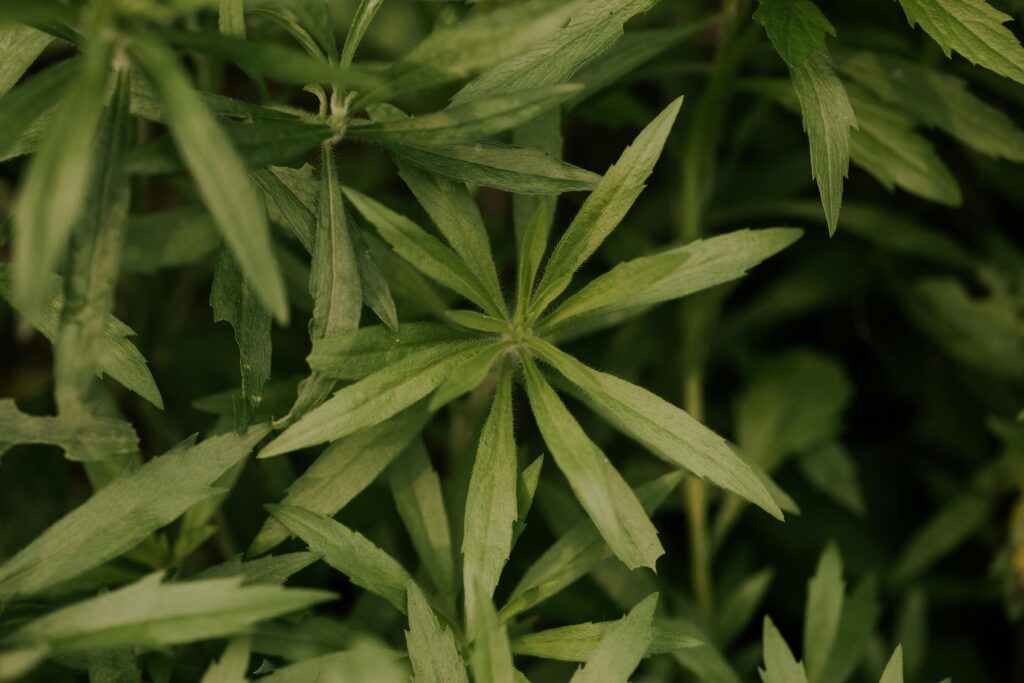
What Does Mugwort Look Like?
Correct identification is important because several wild plants resemble mugwort.
Key identifying characteristics include:
- Green leaves with fuzzy silver undersides
- Leaves divided into pointed lobes
- Purple or reddish stems
- Tiny flower heads arranged in branching clusters
- Aromatic scent released when crushed
The silver underside of the leaf is often considered one of the easiest ways to distinguish mugwort from similar plants.
Where Does Mugwort Grow?
Mugwort is an incredibly resilient plant that adapts well to different environments.
It commonly grows in:
- Grasslands
- Woodland edges
- Roadsides
- Riverbanks
- Vacant lots
- Gardens
- Coastal areas
Native to Europe and much of Asia, mugwort has become naturalised across North America and many other temperate regions worldwide.
Its ability to spread through underground rhizomes makes it easy to establish and sometimes difficult to control.
Etymology and Folklore
The history of mugwort stretches back thousands of years and is deeply woven into myths, traditional beliefs, and ancient customs.
The exact origin of the word mugwort remains uncertain. One popular theory suggests it derives from the Old English word mucgwyrt, meaning “midge plant,” because the herb was believed to repel insects. Another theory connects the name to the historical use of the plant in flavouring beverages before hops became widespread.
The botanical name Artemisia is believed to honour the ancient Greek goddess Artemis, associated with wilderness, childbirth, and protection. Some historians also suggest the name commemorates Queen Artemisia II of Caria, who was known for her interest in medicinal plants.
Throughout European folklore, mugwort was regarded as one of the most protective herbs.
Traditional beliefs claimed it could:
- Ward off evil spirits
- Protect travellers from harm
- Bring good fortune
- Prevent nightmares
- Enhance prophetic dreams
In medieval Europe, travellers often tucked sprigs of mugwort into their shoes to reduce fatigue during long journeys. Others wore wreaths made from the herb during midsummer festivals for protection against misfortune.
In parts of East Asia, mugwort has also played an important role in seasonal celebrations and household traditions. Bundles of the herb were sometimes hung near entrances to symbolically ward off negative influences.
Although these beliefs are rooted in folklore rather than scientific evidence, they demonstrate mugwort’s enduring cultural significance across many societies.
Traditional and Folk Medicine
For centuries, mugwort has occupied an important place in traditional herbal medicine across Europe, China, Korea, and Japan.
Historically, herbal practitioners used various parts of the plant for a wide range of purposes, although many of these traditional applications have not been confirmed by modern clinical research.
Some of the most common traditional uses included:
Digestive Support
Mugwort was often consumed as a bitter herbal tea before meals.
Traditional herbalists believed it could help stimulate digestion by encouraging the production of digestive juices. It was commonly used to address:
- Indigestion
- Bloating
- Loss of appetite
- Mild stomach discomfort
The herb’s naturally bitter compounds were thought to support digestive function in much the same way as other bitter herbs.
Women’s Health
One of mugwort’s best-known historical uses relates to women’s reproductive health.
Traditional practitioners used mugwort to:
- Support menstrual regularity
- Ease menstrual discomfort
- Promote circulation
- Address delayed menstruation
Because of these traditional associations, mugwort has long been considered an herb linked with female wellness.
However, these traditional uses should not be interpreted as medically proven treatments.
Moxibustion in Traditional Chinese Medicine
One of mugwort’s most recognised traditional applications remains moxibustion, a therapy used within Traditional Chinese Medicine (TCM).
In this practice, dried mugwort leaves are processed into a fluffy material known as moxa.
The moxa is carefully burned near specific acupuncture points to generate heat rather than directly burn the skin.
Traditional practitioners believe moxibustion may help:
- Improve circulation
- Warm the body’s energy pathways
- Support recovery in certain conditions
Moxibustion continues to be practised in many countries today, although evidence supporting its effectiveness varies depending on the condition being treated.
Sleep and Relaxation
Historically, mugwort was also associated with promoting restful sleep.
People traditionally placed dried mugwort beneath pillows or consumed herbal preparations before bedtime.
Some folklore suggested the herb encouraged vivid dreams or improved dream recall, contributing to its reputation as the “dream herb.”
Scientific evidence supporting these effects remains limited.
Traditional External Applications
Herbalists also prepared mugwort as:
- Compresses
- Poultices
- Herbal baths
- Washes
These preparations were traditionally used for minor skin complaints, muscle discomfort, and general relaxation.
Again, these uses are based largely on historical practice rather than robust clinical evidence.
Modern Uses of Mugwort
Today, mugwort appears in a variety of herbal and wellness products.
Modern preparations include:
- Herbal teas
- Capsules
- Tinctures
- Essential oils
- Incense
- Skincare products
- Dried herbs for moxibustion
Many people enjoy mugwort simply as a fragrant botanical or culinary herb rather than specifically for medicinal purposes.
In some cuisines, particularly in East Asia, young mugwort leaves are incorporated into rice cakes, soups, dumplings, and seasonal dishes.
What Does Modern Research Say?
As interest in herbal medicine has grown, researchers have investigated mugwort’s chemical composition.
The plant contains numerous naturally occurring compounds, including:
- Flavonoids
- Terpenoids
- Essential oils
- Phenolic compounds
- Bitter substances
Laboratory studies suggest these compounds may possess biological activity, including antioxidant and anti-inflammatory properties. However, much of this research has been conducted in laboratory or animal settings.
At present, there is limited high-quality clinical evidence supporting many of mugwort’s traditional medicinal uses in humans.
This means that while historical use is extensive, more rigorous research is needed before firm conclusions can be drawn about its effectiveness for specific health conditions.
Modern Context and Caution
Although mugwort remains popular in herbal traditions, it should be approached thoughtfully and responsibly.
Natural does not automatically mean safe for everyone.
Several important precautions should be considered before using mugwort.
Allergic Reactions
Mugwort belongs to the daisy family, meaning individuals allergic to ragweed, daisies, chrysanthemums, marigolds, or related plants may also react to mugwort.
Possible allergic symptoms include:
- Sneezing
- Skin irritation
- Itchy eyes
- Hay fever symptoms
- Contact dermatitis
People with known pollen allergies should exercise caution.
Pregnancy
Because mugwort has historically been associated with stimulating menstruation and uterine activity, it is generally not recommended during pregnancy.
Anyone who is pregnant or trying to conceive should consult a qualified healthcare professional before using mugwort products.
Breastfeeding
There is currently insufficient safety information regarding mugwort use during breastfeeding.
Healthcare advice should be sought before using herbal supplements during this period.
Medication Interactions
Like many herbal products, mugwort may interact with certain medications or medical conditions.
Individuals taking prescription medicines or managing chronic health conditions should discuss herbal supplements with their healthcare provider before use.
Essential Oil Safety
Mugwort essential oil is highly concentrated and should never be consumed unless specifically directed by a qualified healthcare professional.
Essential oils should always be used according to manufacturer guidance and kept away from children and pets.
Can You Eat Mugwort?
Yes, certain preparations of mugwort are traditionally eaten in some cultures.
Young leaves may be:
- Steamed
- Cooked in soups
- Added to dumplings
- Used in rice cakes
- Brewed into herbal teas
The leaves have a distinctive bitter, earthy flavour, so they are generally used in moderation.
Anyone harvesting wild mugwort should ensure accurate plant identification and avoid collecting plants growing near polluted roadsides or contaminated land.
Is Mugwort the Same as Wormwood?
This is a common question.
Although mugwort and wormwood belong to the same Artemisia genus, they are different species.
Mugwort (Artemisia vulgaris) tends to have broader leaves and a milder aroma.
Wormwood (Artemisia absinthium) is typically more intensely bitter and contains different concentrations of naturally occurring compounds.
The two herbs have overlapping histories but should not be considered interchangeable.
Frequently Asked Questions
What is mugwort mainly used for?
Historically, mugwort has been used in herbal medicine, digestive remedies, women’s health traditions, moxibustion, culinary dishes, and spiritual practices. Today, it is commonly found in teas, herbal products, incense, and wellness preparations.
Is mugwort scientifically proven to work?
While laboratory studies have identified several biologically active compounds, there is currently limited high-quality clinical evidence supporting many traditional medicinal claims. More research is needed.
Can anyone drink mugwort tea?
Not necessarily. People with allergies to plants in the daisy family, those who are pregnant or breastfeeding, and individuals taking certain medications should seek medical advice before consuming mugwort.
Why is mugwort called the dream herb?
Historical folklore associated mugwort with vivid dreams and enhanced dream recall. Although this reputation remains popular, scientific evidence supporting these effects is limited.
Conclusion
So, what is mugwort?
Mugwort is a versatile herb with an extraordinary history that stretches across continents and cultures. From ancient folklore and traditional herbal medicine to modern wellness practices and culinary uses, it has remained a fascinating plant for centuries.
Its distinctive appearance, aromatic leaves, and deep cultural significance have earned it a lasting place in herbal traditions around the world. While ongoing scientific research continues to investigate its potential properties, many of mugwort’s historical uses remain rooted in traditional knowledge rather than conclusive clinical evidence.
Whether you’re exploring herbal history, curious about natural remedies, or simply interested in learning about this remarkable plant, understanding mugwort’s origins, uses, and safety considerations provides valuable context. As with any herbal product, informed and cautious use—guided by reliable information and professional medical advice when appropriate—is always the best approach.
For further reading on usefulness and safety see The National Center for Complementary and Integrative Health