What Is Mugwort Tea? Everything You Need to Know
If you’ve recently discovered herbal teas, you may be asking yourself, what is mugwort tea? This ancient herbal infusion has been enjoyed for centuries across Europe and Asia, where it has been valued not only for its distinctive earthy flavour but also for its role in traditional medicine, seasonal celebrations, and cultural rituals.
Today, mugwort tea is becoming increasingly popular among people looking for caffeine-free herbal drinks and those interested in natural wellness. While many of its traditional uses are still being studied by scientists, mugwort remains one of the world’s most fascinating herbs.
In this guide, you’ll learn what mugwort tea is, how it’s made, what it tastes like, how different cultures use it, and what modern research says about this remarkable herbal infusion.
What Is Mugwort Tea?
Mugwort tea is a herbal infusion made by steeping the leaves of the mugwort plant (Artemisia vulgaris) in hot water. Unlike black tea or green tea, it does not come from the tea plant (Camellia sinensis), making it naturally caffeine-free.
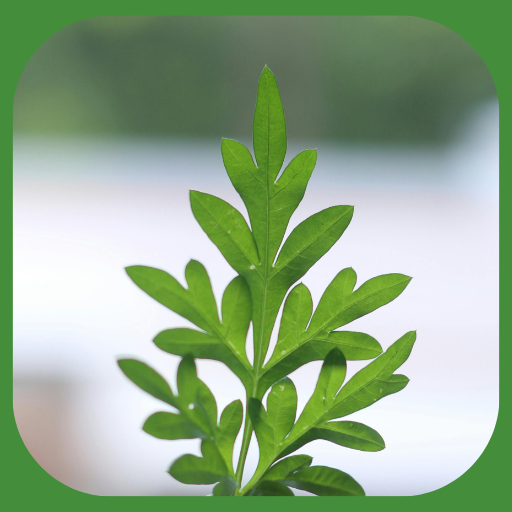
The mugwort plant belongs to the daisy family (Asteraceae) and grows throughout Europe, Asia, and North America. It has long, deeply divided green leaves with distinctive silvery-white undersides, giving it a unique appearance that’s easy to recognise once you know what to look for.
When brewed, mugwort produces an aromatic tea with an earthy, slightly bitter flavour that many people compare to other traditional herbal infusions.
Where Does Mugwort Tea Come From?
Mugwort has been growing wild for thousands of years and has a long history of human use.
The plant is native to:
- Europe
- Much of Asia
- Parts of North Africa
It has also become naturalised across North America and many other temperate regions around the world.
Different cultures discovered the value of mugwort independently, resulting in a rich history of culinary, medicinal, and ceremonial uses.
How Is Mugwort Tea Made?
Making mugwort tea is surprisingly simple.
Traditionally, the leaves are harvested during late spring or early summer while they are still young and tender. After harvesting, they are carefully dried to preserve their aroma and flavour.
To prepare the tea:
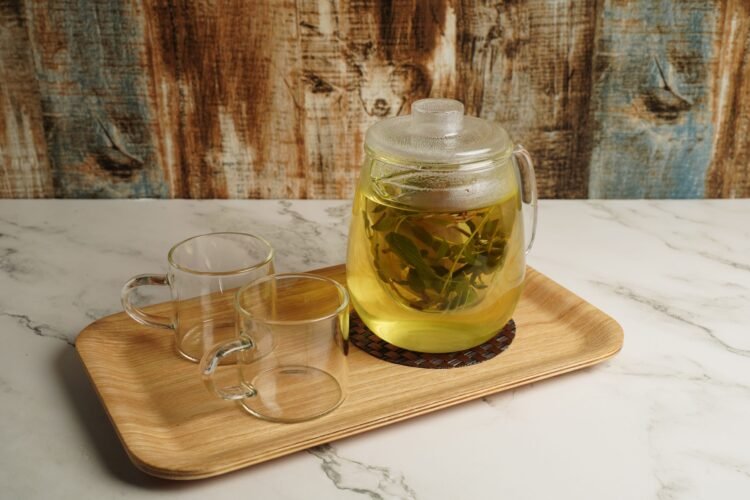
- Place one teaspoon of dried mugwort leaves into a cup or tea infuser.
- Pour over approximately 250 ml of hot water.
- Cover and steep for three to five minutes.
- Strain the leaves.
- Enjoy as it is or add honey and lemon to taste.
Fresh mugwort leaves can also be used, although dried leaves tend to produce a more concentrated herbal flavour.
What Does Mugwort Tea Taste Like?
One of the most common questions people ask is whether mugwort tea tastes pleasant.
Its flavour is quite different from familiar herbal teas such as peppermint or chamomile.
Most people describe mugwort tea as:
- Earthy
- Herbal
- Slightly grassy
- Mildly floral
- Pleasantly bitter
The bitterness comes from naturally occurring compounds within the plant. If brewed for too long, the tea can become noticeably stronger, so shorter brewing times are often recommended for beginners.
Many people enjoy adding:
- Honey
- Lemon
- Ginger
- Mint
- Cinnamon
These ingredients help balance the natural bitterness while complementing the herb’s earthy character.
Mugwort Tea Around the World
One of the reasons mugwort tea is so interesting is the variety of ways it has been enjoyed across different countries.
Japan
In Japan, mugwort is known as yomogi.
Although the herb is perhaps best known for flavouring yomogi mochi, it is also brewed as a traditional herbal tea. Japanese mugwort tea is usually made using young spring leaves, producing a relatively delicate flavour.
Korea
In Korea, mugwort is called ssuk.
It is considered one of the country’s traditional spring herbs and is used in soups, rice cakes, porridge, pancakes, and herbal teas.
Many Korean households still prepare mugwort tea using carefully dried leaves harvested during spring.
China
China has one of the oldest recorded histories of mugwort use.
Alongside its famous role in moxibustion within Traditional Chinese Medicine, mugwort has also been prepared as a herbal tea in various regions for generations.
Europe
Across medieval Europe, mugwort tea was commonly prepared by herbalists as part of traditional household remedies.
The herb was also associated with folklore, seasonal celebrations, and protection during travel.
United Kingdom
As a native British wildflower, mugwort has long been known throughout the UK.
Modern interest in foraging and herbal teas has helped introduce a new generation of tea drinkers to this traditional herb.
Is Mugwort Tea Caffeinated?
No.
Because mugwort tea is made from an herb rather than the tea plant, it contains no caffeine.
This makes it a popular alternative for people wishing to reduce their caffeine intake while still enjoying a warm, aromatic drink.
Why Do People Drink Mugwort Tea?
People enjoy mugwort tea for many different reasons.
Some appreciate its distinctive flavour, while others are interested in the herb’s long history.
Traditional reasons for drinking mugwort tea include:
- Supporting digestion
- Relaxation rituals
- Seasonal herbal traditions
- Cultural practices
- Enjoying a naturally caffeine-free beverage
It’s important to remember that many of these traditional uses are based on historical practice rather than strong scientific evidence.
What Does Modern Research Say?
Scientists have identified numerous naturally occurring compounds within mugwort, including flavonoids, phenolic compounds, terpenoids, and essential oils.
Laboratory studies suggest these compounds may possess antioxidant and anti-inflammatory activity.
However, much of the research has been carried out in laboratories or animal models, and more high-quality human studies are needed before firm conclusions can be drawn about many traditional health claims.
For this reason, mugwort tea should not be considered a substitute for professional medical treatment.
Is Mugwort Tea Safe?
For many healthy adults, mugwort tea can be enjoyed occasionally as part of a varied diet.
However, it is not suitable for everyone.
You should avoid mugwort tea or seek medical advice before drinking it if you:
- Are pregnant
- Are breastfeeding
- Have allergies to ragweed, daisies, chrysanthemums, or related plants
- Take prescription medication
- Have an existing medical condition
If you experience an allergic reaction after drinking mugwort tea, discontinue use and seek appropriate medical advice.
Frequently Asked Questions
Can you drink mugwort tea every day?
There are no universally accepted guidelines regarding daily mugwort tea consumption. If you’re considering drinking it regularly, it’s advisable to consult a healthcare professional.
Is mugwort tea the same as green tea?
No. Green tea comes from the tea plant (Camellia sinensis), while mugwort tea is made from the leaves of Artemisia vulgaris.
Can I make mugwort tea from fresh leaves?
Yes. Fresh leaves can be brewed directly, although dried leaves often produce a stronger flavour.
Why is mugwort called the dream herb?
In folklore, mugwort became associated with vivid dreams and dream recall. While this tradition remains popular, scientific evidence supporting these claims is limited.
Learn More About Mugwort Tea
This article provides an introduction to mugwort tea, but there’s much more to discover.
Our complete guide covers the history of mugwort tea, traditional uses around the world, brewing methods, recipes, safety considerations, and the latest scientific research.
👉 Read our complete guide to Mugwort Tea: https://mugworts.co.uk/mugwort-tea/
Conclusion
So, what is mugwort tea?
It is a traditional herbal infusion made from the leaves of Artemisia vulgaris, a plant that has been used for centuries across Europe and Asia. Naturally caffeine-free and known for its earthy, slightly bitter flavour, mugwort tea continues to attract people interested in herbal traditions, cultural history, and botanical drinks.
Although many historical uses of mugwort tea are still being investigated by researchers, its enduring popularity reflects the important role it has played in communities around the world. Whether you’re exploring herbal teas for the first time or looking to deepen your knowledge of medicinal plants, mugwort tea offers a fascinating blend of history, culture, and tradition.
As with any herbal product, enjoy mugwort tea responsibly, source it from reputable suppliers, and consult a healthcare professional if you have any concerns about whether it is suitable for you.