Can You Drink Mugwort Tea Every Day?
Many people who discover herbal teas quickly begin asking, can you drink mugwort tea every day? With its long history in traditional herbal medicine and its growing popularity among tea enthusiasts, it’s a sensible question to ask before making it part of your daily routine.
Unlike ordinary black or green tea, mugwort tea is made from the leaves of Artemisia vulgaris and contains no caffeine. Because it is an herbal infusion rather than a traditional tea, people often assume it can be consumed freely. However, like many herbs, mugwort contains naturally occurring compounds that may affect different people in different ways.
The good news is that many healthy adults enjoy mugwort tea occasionally without experiencing problems. However, there is currently no official scientific guidance recommending daily consumption, and certain groups of people should avoid it altogether.
In this guide, we’ll explore what research says about drinking mugwort tea every day, who should avoid it, potential risks, and how to enjoy it responsibly.
If you’re new to mugwort tea, you can also read our complete guide covering its history, recipes, brewing methods, and traditional uses:
👉 Read our complete Mugwort Tea Guide:
https://mugworts.co.uk/mugwort-tea/
What Is Mugwort Tea?
Before discussing whether you can drink it every day, it’s worth understanding what mugwort tea actually is.
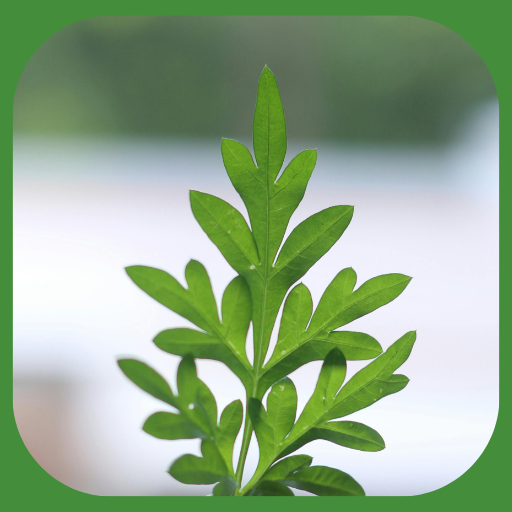
Mugwort tea is a herbal infusion made by steeping the dried or fresh leaves of mugwort (Artemisia vulgaris) in hot water.
The plant belongs to the Asteraceae (daisy) family and has been used traditionally across Europe and Asia for centuries. Unlike black tea, green tea, and white tea, mugwort tea is naturally caffeine-free because it does not come from the tea plant (Camellia sinensis).
Its earthy, aromatic flavour and long history make it popular with people interested in herbal drinks and traditional botanical remedies.
Can You Drink Mugwort Tea Every Day?
The honest answer is:
There is currently no scientific evidence confirming that mugwort tea should be consumed every day.
Although mugwort has been used traditionally for generations, modern clinical studies investigating the long-term effects of daily mugwort tea consumption are limited.
Many herbalists recommend enjoying mugwort tea occasionally rather than making it a daily habit.
If you choose to drink mugwort tea regularly, moderation is generally considered the most sensible approach.
Why Isn’t There a Daily Recommendation?
Unlike ordinary food products, many herbal teas have not been studied extensively in large human clinical trials.
Researchers are still investigating:
- The active compounds found in mugwort
- Safe long-term consumption levels
- Potential interactions with medicines
- Effects of regular use
Until more evidence becomes available, healthcare professionals usually advise caution with frequent use of medicinal herbs.
What Happens If You Drink Mugwort Tea Every Day?
There is no clear scientific answer.
Some people report drinking mugwort tea regularly without any noticeable problems.
Others may experience:
- Digestive discomfort
- Allergic reactions
- Mouth irritation
- Sensitivity to the herb
Because individual responses vary, there is no universal answer to how your body may react.
Potential Benefits of Occasional Mugwort Tea
People who enjoy mugwort tea usually do so because they appreciate:
- Its unique earthy flavour
- A naturally caffeine-free drink
- Traditional herbal practices
- Seasonal herbal routines
- Cultural significance
Some laboratory studies suggest mugwort contains antioxidant compounds, although more research is needed to understand how these behave in the human body.
Are There Risks With Drinking Mugwort Tea Every Day?
Potentially, yes.
While occasional consumption may be suitable for many healthy adults, drinking any herbal tea in excessive amounts is generally discouraged unless advised by a qualified healthcare professional.
Possible concerns include:
Allergic Reactions
Mugwort is a recognised allergen.
People allergic to:
- Ragweed
- Daisies
- Chamomile
- Chrysanthemums
- Sunflowers
may also react to mugwort.
Symptoms can include:
- Sneezing
- Skin rashes
- Itchy eyes
- Hives
- Swelling
Pregnancy
Healthcare professionals generally recommend avoiding mugwort tea during pregnancy because there is insufficient evidence confirming its safety.
Historically, mugwort has been associated with traditional reproductive herbal practices, making caution particularly important.
Breastfeeding
There is currently little research on the safety of mugwort tea while breastfeeding.
Parents who are breastfeeding should speak with their healthcare provider before drinking it regularly.
Medication Interactions
Herbal products may interact with certain medications.
If you take medicine for:
- Diabetes
- High blood pressure
- Heart disease
- Blood clotting disorders
- Epilepsy
consult your GP or pharmacist before drinking mugwort tea frequently.
Is It Better to Drink Mugwort Tea Occasionally?
For most people, yes.
Many herbal practitioners recommend treating mugwort tea as an occasional herbal beverage rather than a daily drink.
This approach allows people to enjoy the tea while reducing the likelihood of excessive exposure to the plant’s naturally occurring compounds.
How Much Mugwort Tea Is Too Much?
There is no universally accepted daily intake recommendation.
Instead, sensible practice includes:
- Drinking moderate amounts
- Avoiding multiple strong cups every day
- Choosing high-quality mugwort
- Paying attention to how your body responds
If you experience unwanted symptoms, discontinue use and seek medical advice.
Tips for Safe Enjoyment
If you’d like to include mugwort tea in your routine, these tips can help.
Buy From Trusted Suppliers
Only purchase mugwort that has been correctly identified as Artemisia vulgaris.
Brew a Moderate Strength Tea
Using more leaves does not necessarily improve the flavour and may produce an overly bitter drink.
Listen to Your Body
Everyone responds differently to herbal products.
If you notice any discomfort, stop drinking the tea until you’ve spoken with a healthcare professional.
Don’t Replace Medical Treatment
Mugwort tea should not be used as a substitute for professional medical advice or prescribed medication.
What Does Science Say?
Researchers have identified a variety of naturally occurring compounds in mugwort, including flavonoids, essential oils, and phenolic compounds.
Laboratory research suggests these compounds have interesting biological activity.
However, most studies have involved laboratory experiments or animal models.
At present, there is insufficient high-quality human evidence to determine whether drinking mugwort tea every day provides measurable health benefits—or whether long-term daily use is advisable.
Further research is needed.
Frequently Asked Questions
Can you drink mugwort tea every day?
There are currently no official recommendations supporting daily consumption. Many people choose to enjoy mugwort tea occasionally instead.
Is one cup of mugwort tea a day safe?
There is no universally accepted answer. Anyone considering regular consumption should seek advice from a healthcare professional, particularly if pregnant, breastfeeding, taking medication, or living with a medical condition.
Is mugwort tea addictive?
No. Mugwort tea contains no caffeine and is not known to be addictive.
Should I stop drinking mugwort tea if I feel unwell?
Yes. If you experience unusual symptoms after drinking mugwort tea, stop consuming it and seek appropriate medical advice.
Learn More About Mugwort Tea
Want to learn more about this fascinating herbal infusion?
Discover brewing methods, recipes, traditional uses, flavour profiles, and safety advice in our complete guide.
👉 Read our complete Mugwort Tea Guide:
https://mugworts.co.uk/mugwort-tea/
Conclusion
So, can you drink mugwort tea every day?
At present, there is no scientific evidence that recommends daily consumption, and there are no official guidelines establishing a safe daily intake.
For most healthy adults, enjoying mugwort tea occasionally is likely to be the most balanced approach. People who are pregnant, breastfeeding, allergic to plants in the daisy family, or taking prescription medication should consult a healthcare professional before drinking mugwort tea.
Like many traditional herbs, mugwort has a fascinating history and continues to attract scientific interest. Until more human research becomes available, moderation, quality sourcing, and informed decision-making remain the best approach.