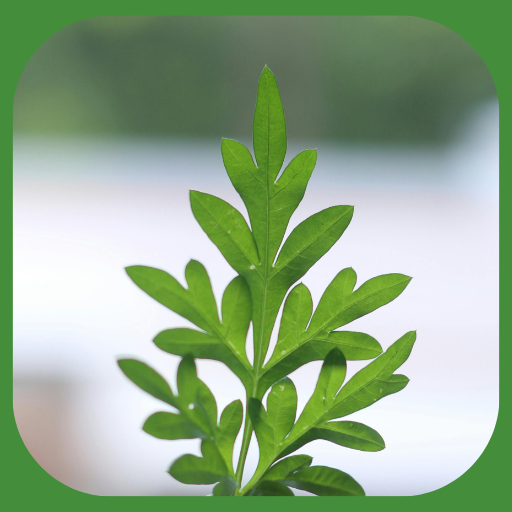
Mugwort Tea Benefits: What Does Science Say?
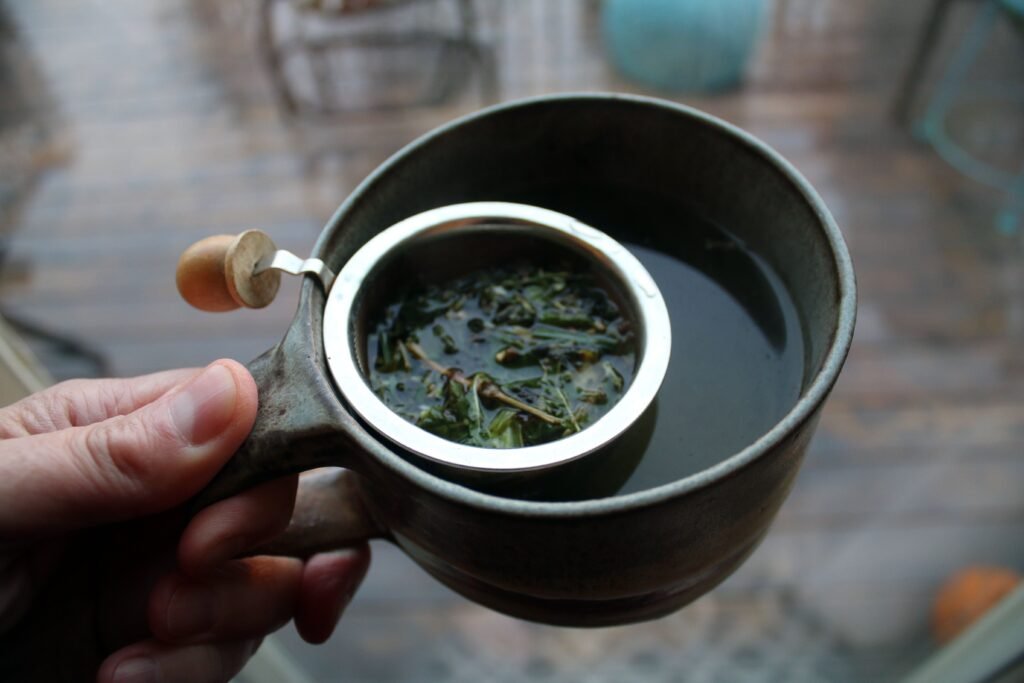
Mugwort has been used as a traditional herb for centuries, and today many people are searching for mugwort tea benefits as interest in herbal remedies and botanical drinks continues to grow.
From ancient European herbal traditions to Japanese yomogi tea and Korean ssuk tea, mugwort has played an important role in different cultures around the world. Traditionally, people have used mugwort in teas, cooking, and various folk practices.
Modern interest in mugwort tea has led researchers to investigate the plant’s natural compounds and potential properties. However, it is important to understand the difference between traditional uses and scientifically proven effects.
This guide explores the traditional mugwort tea benefits, what current research suggests, and what you should know before adding mugwort tea to your herbal routine.
For our complete guide covering mugwort tea history, preparation methods, recipes, and safety information, visit:
👉 Read our complete Mugwort Tea Guide:
https://mugworts.co.uk/mugwort-tea/
What Is Mugwort Tea?
Before exploring mugwort tea benefits, it helps to understand what mugwort tea actually is.
Mugwort tea is a herbal infusion made from the leaves of the mugwort plant (Artemisia vulgaris).
Unlike green tea or black tea, which come from the tea plant (Camellia sinensis), mugwort tea is naturally caffeine-free.
The plant belongs to the Artemisia family, which includes other well-known herbs such as:
- Wormwood (Artemisia absinthium)
- Sweet wormwood (Artemisia annua)
- Tarragon (Artemisia dracunculus)
Mugwort has a long history of traditional use throughout:
- Europe
- China
- Japan
- Korea
A Brief History of Mugwort Tea
Mugwort is one of the oldest plants associated with human herbal traditions.
Throughout history, different cultures have valued mugwort for its distinctive aroma, flavour, and symbolic importance.
In Europe, mugwort was associated with traditional herbal knowledge and folklore.
In Japan, mugwort is known as yomogi and is used in foods such as yomogi mochi as well as herbal teas.
In Korea, mugwort is called ssuk and remains an important seasonal herb used in traditional cooking and beverages.
This long cultural history is one reason why people continue exploring the potential benefits of mugwort tea today.
Traditional Mugwort Tea Benefits
Many of the commonly discussed mugwort tea benefits come from traditional herbal practices rather than modern clinical studies.
These traditional uses include:
- Supporting digestion
- Promoting relaxation rituals
- Supporting traditional women’s wellness practices
- Encouraging appetite
- Being used as part of seasonal herbal routines
It is important to remember that traditional use does not always mean a benefit has been scientifically proven.
Many herbs have been used for generations before researchers begin studying their properties.
1. Mugwort Tea and Digestive Health
One of the most common traditional uses of mugwort is related to digestion.
Historically, bitter herbs have often been used in herbal traditions because their strong flavours were believed to stimulate digestive processes.
Mugwort’s naturally bitter taste is one reason it has traditionally been consumed around mealtimes.
People have traditionally used mugwort tea as part of routines involving:
- Herbal bitters
- After-meal drinks
- Traditional digestive preparations
However, modern scientific evidence specifically proving digestive benefits from mugwort tea is limited.
2. Mugwort Tea Contains Antioxidant Compounds
One area of scientific interest involves the natural compounds found in mugwort.
Mugwort contains several plant compounds, including:
- Flavonoids
- Phenolic compounds
- Terpenoids
- Essential oils
Some laboratory studies suggest these compounds may have antioxidant activity.
Antioxidants are compounds that help protect cells from oxidative stress in laboratory settings.
However, more research is needed to understand how these compounds behave when consumed as a tea by humans.
3. Traditional Relaxation and Evening Rituals
Many people enjoy mugwort tea as part of a calming herbal routine.
Because mugwort tea contains no caffeine, it is often chosen by people looking for a warm evening drink.
The potential benefits may come from:
- Taking time to slow down
- Creating a relaxing ritual
- Enjoying a warm beverage
- Reducing reliance on caffeinated drinks
It is worth noting that there is limited scientific evidence that mugwort tea directly improves relaxation or sleep.
4. Mugwort Tea and Traditional Dream Folklore
One of the most fascinating aspects of mugwort is its connection with dreams.
Historically, mugwort has been associated with dreaming traditions in European folklore.
This has led to nicknames such as:
- Dream herb
- Dream plant
- Traveller’s herb
Some traditional practices connected mugwort with vivid dreams and spiritual experiences.
However, scientific evidence supporting these claims remains limited.
The association between mugwort and dreams is primarily cultural and historical rather than medically proven.
5. Mugwort Tea as a Caffeine-Free Alternative
One practical benefit of mugwort tea is that it contains no caffeine.
This makes it an appealing option for people who want a herbal drink without the stimulating effects of:
- Coffee
- Black tea
- Green tea
- Energy drinks
People may choose mugwort tea because they want:
- A warm drink in the evening
- A coffee alternative
- A wider variety of herbal beverages
6. Traditional Women’s Health Uses
Historically, mugwort has been associated with women’s herbal traditions in several cultures.
Traditional uses have included preparations related to:
- Menstrual cycles
- Seasonal wellness rituals
- Traditional herbal practices
However, scientific evidence supporting these uses is limited, and mugwort is not recommended as a treatment for medical conditions.
Anyone who is pregnant, trying to conceive, or managing reproductive health concerns should seek professional medical advice before using mugwort products.
What Does Modern Research Say About Mugwort?
Modern research into mugwort is still developing.
Scientists have studied various compounds found in Artemisia vulgaris, including their:
- Antioxidant properties
- Antimicrobial activity
- Anti-inflammatory potential
Much of this research involves laboratory studies rather than large human clinical trials.
This means that while mugwort contains interesting natural compounds, researchers cannot yet confirm many traditional claims about drinking mugwort tea.
Mugwort Tea Benefits vs Scientific Evidence
| Traditional Claim | Current Evidence |
|---|---|
| Supports digestion | Traditional use exists, but more research is needed |
| Contains antioxidants | Plant compounds with antioxidant activity identified |
| Helps relaxation | May support calming routines, but evidence is limited |
| Supports sleep | Traditional association, limited scientific evidence |
| Supports general wellness | Depends on individual lifestyle and diet |
How to Make Mugwort Tea
A simple traditional mugwort tea recipe:
Ingredients
- 1 teaspoon dried mugwort leaves
- 250 ml hot water
Instructions
- Place mugwort leaves into a tea infuser.
- Pour over hot water.
- Cover and steep for 3–5 minutes.
- Strain the leaves.
- Add honey or lemon if desired.
For more preparation ideas, visit:
👉 https://mugworts.co.uk/mugwort-tea/
Who Should Avoid Mugwort Tea?
Although mugwort has a long history of traditional use, it is not suitable for everyone.
People who should seek professional advice before drinking mugwort tea include:
- Pregnant individuals
- Breastfeeding individuals
- People with allergies to plants in the daisy family
- People taking prescription medication
- People with existing medical conditions
Some people may experience allergic reactions, especially those sensitive to related plants such as ragweed.
Frequently Asked Questions
What are the main mugwort tea benefits?
Traditional benefits include digestive support, relaxation rituals, and use as a caffeine-free herbal drink. Scientific evidence for many specific benefits is still limited.
Does mugwort tea really work?
Mugwort has interesting plant compounds and a long history of traditional use, but more human research is needed to confirm many claimed effects.
Is mugwort tea good for sleep?
Mugwort has a traditional association with dreams and relaxation, but scientific evidence proving sleep benefits is limited.
Can you drink mugwort tea every day?
There are no universally established guidelines for daily consumption. Regular use should be approached carefully, especially for those with health conditions or who take medication.
Learn More About Mugwort Tea
The potential mugwort tea benefits are only part of the story. This fascinating herbal drink also has a rich history, unique flavour, and important cultural significance.
Explore our complete guide:
👉 Read our complete Mugwort Tea Guide:
https://mugworts.co.uk/mugwort-tea/
Conclusion
The popularity of mugwort tea benefits comes from a combination of ancient tradition, cultural history, and growing interest in herbal beverages.
Mugwort contains interesting natural compounds and has been valued across many cultures for centuries. While modern research continues to investigate the plant, many traditional claims still require further scientific study.
For many people, the appeal of mugwort tea lies not only in potential benefits but also in the experience itself: preparing a traditional herbal drink, connecting with plant knowledge, and exploring a beverage that has been enjoyed for generations.
As with any herbal product, mugwort tea should be enjoyed responsibly and should not replace professional medical advice.