How Is Mugwort Tea Made? A Step-by-Step Guide to Brewing Mugwort Tea
If you’ve recently discovered mugwort, you may be wondering, how is mugwort tea made? The good news is that this traditional herbal infusion is simple to prepare and requires very few ingredients. Whether you use fresh leaves from your garden or dried mugwort from a trusted supplier, making mugwort tea at home is easy and rewarding.
For centuries, people across Europe and Asia have brewed mugwort tea as part of their culinary traditions and herbal practices. While recipes vary from country to country, the basic process has remained largely unchanged: carefully harvested mugwort leaves are steeped in hot water to release their distinctive earthy flavour and aromatic compounds.
In this guide, you’ll learn exactly how mugwort tea is made, how to brew it correctly, common mistakes to avoid, and tips for creating the perfect cup.
What Is Mugwort Tea?
Before learning how mugwort tea is made, it’s helpful to understand what it actually is.
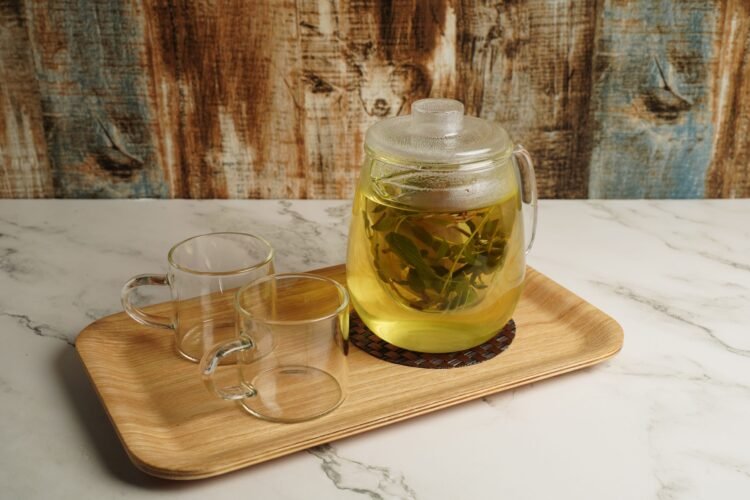
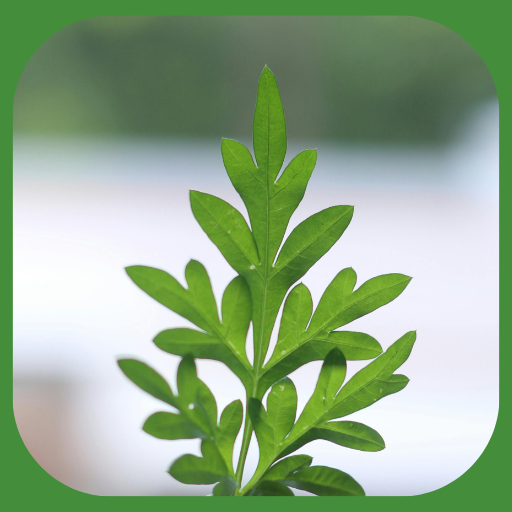
Mugwort tea is a caffeine-free herbal infusion made from the leaves of mugwort (Artemisia vulgaris). Unlike black tea or green tea, it does not come from the tea plant (Camellia sinensis). Instead, it is made by steeping fresh or dried mugwort leaves in hot water.
The result is a fragrant herbal drink with an earthy, slightly bitter flavour that has been enjoyed for centuries.
Choosing the Right Mugwort
The quality of your mugwort has a significant impact on the finished tea.
If you’re harvesting your own plants, choose healthy leaves that are free from disease and insect damage. Young leaves picked in late spring or early summer are generally preferred because they tend to have a milder flavour.
If you’re buying mugwort, look for products that:
- Clearly state Artemisia vulgaris
- Are free from additives or artificial flavourings
- Come from a reputable supplier
- Have been stored correctly to preserve freshness
Avoid using mugwort that has an unpleasant smell, signs of mould, or discolouration.
Fresh or Dried Mugwort: Which Is Better?
Both fresh and dried mugwort can be used to make tea, but they offer slightly different experiences.
Fresh Mugwort
Fresh leaves produce a lighter, greener flavour with a more delicate aroma. They’re ideal if you grow mugwort in your garden or have recently foraged it (after correctly identifying the plant).
Pros
- Fresh herbal flavour
- Bright aroma
- Ideal during the growing season
Cons
- Short shelf life
- Seasonal availability
- Requires immediate use
Dried Mugwort
Dried leaves are the traditional choice for many herbalists because they store well and create a more concentrated infusion.
Pros
- Available all year
- Longer shelf life
- Stronger flavour
- Convenient to store
Cons
- Slightly more bitter if over-brewed
How Is Mugwort Tea Made? Step by Step
The traditional method is simple and requires only a few minutes.
Ingredients
- 1 teaspoon of dried mugwort leaves (or 5–10 fresh leaves)
- 250 ml of freshly boiled water
- Honey or lemon (optional)
Equipment
- Kettle
- Tea infuser or teapot
- Fine strainer (if using loose leaves)
- Mug
Method
Step 1: Heat the Water
Bring fresh water to the boil, then allow it to cool for around one minute. Water that’s slightly below boiling helps preserve the herb’s flavour.
Step 2: Add the Mugwort
Place the mugwort leaves into a tea infuser or directly into a teapot.
Step 3: Pour the Water
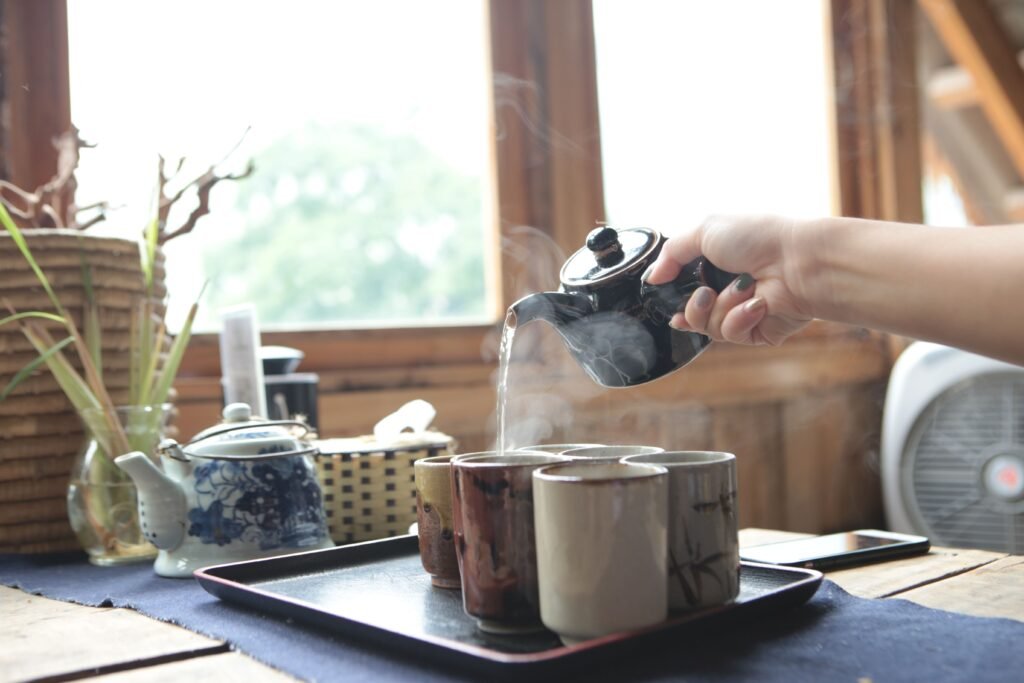
Slowly pour the hot water over the leaves, ensuring they’re fully submerged.
Step 4: Cover the Cup
Covering the cup or teapot while the tea steeps helps retain the aromatic oils.
Step 5: Steep
Allow the tea to steep for 3–5 minutes.
If you prefer a stronger flavour, steep for slightly longer, but be aware that extended brewing can increase bitterness.
Step 6: Strain
Remove the leaves or strain the tea into your favourite mug.
Step 7: Enjoy
Drink the tea as it is, or add honey, lemon, or ginger to suit your taste.
What Does Mugwort Tea Taste Like?
One of the most distinctive features of mugwort tea is its flavour.
Many people describe it as:
- Earthy
- Herbal
- Slightly grassy
- Mildly floral
- Pleasantly bitter
If you’re new to mugwort tea, start with a shorter brewing time. You can always make future cups stronger once you’ve become familiar with its taste.
Popular Ways to Flavour Mugwort Tea
Although many people enjoy mugwort tea on its own, there are several ingredients that complement its flavour.
Popular additions include:
- Honey for natural sweetness
- Fresh lemon for brightness
- Ginger for warmth
- Mint for freshness
- Cinnamon for a comforting spice
These additions can soften the bitterness without overpowering the herbal character of the tea.
How Different Countries Make Mugwort Tea
One of the most interesting aspects of mugwort tea is how preparation methods vary around the world.
Japan
In Japan, mugwort is known as yomogi. Young spring leaves are often used to create a delicate herbal infusion that pairs well with traditional sweets.
Korea
Known as ssuk, mugwort is commonly brewed into tea using dried leaves. Honey or ginger may be added for extra warmth and flavour.
China
Traditional Chinese herbal practices sometimes include mugwort tea as part of seasonal wellness routines, although preparation methods vary by region.
Europe
In many parts of Europe, mugwort tea has historically been brewed simply with dried leaves and hot water, allowing the herb’s natural flavour to take centre stage.
Common Mistakes to Avoid
If your first cup isn’t enjoyable, one of these common mistakes may be the cause.
Using Too Much Mugwort
More isn’t always better. Excessive leaves can make the tea overly bitter.
Brewing for Too Long
Steeping beyond five or six minutes can intensify bitterness.
Using Old Herbs
Dried herbs gradually lose flavour over time. Store mugwort in an airtight container away from heat and sunlight.
Boiling the Tea
Mugwort tea should be steeped, not boiled for long periods.
Can You Reuse Mugwort Leaves?
Yes, you can often steep the same leaves a second time.
The second infusion is usually milder and less bitter than the first, making it a good option if you prefer a gentler flavour.
Frequently Asked Questions
Can I use fresh mugwort instead of dried?
Yes. Fresh leaves produce a lighter, fresher flavour, while dried leaves create a stronger infusion.
How long should mugwort tea steep?
Three to five minutes is ideal for most people.
Can I add milk?
Although uncommon, some people enjoy mugwort tea with oat or almond milk to create a creamy herbal latte.
Does mugwort tea contain caffeine?
No. Mugwort tea is naturally caffeine-free.
Learn More About Mugwort Tea
Now that you know how mugwort tea is made, you may want to explore its history, traditional uses, recipes, potential benefits, and important safety advice.
👉 Read our complete Mugwort Tea Guide: https://mugworts.co.uk/mugwort-tea/
Conclusion
Understanding how mugwort tea is made allows you to appreciate the simplicity and tradition behind this remarkable herbal drink. With just a handful of leaves and hot water, you can prepare a beverage that has been enjoyed across cultures for centuries.
Whether you prefer a classic infusion, a honey and lemon blend, or a modern herbal latte, experimenting with different brewing methods is part of the enjoyment. Start with quality mugwort, brew it gently, and adjust the flavour to suit your preferences.
As with any herbal product, enjoy mugwort tea responsibly and seek professional advice if you have health concerns or are unsure whether it is appropriate for you.