What Does Mugwort Tea Taste Like? A Complete Guide to Its Flavour

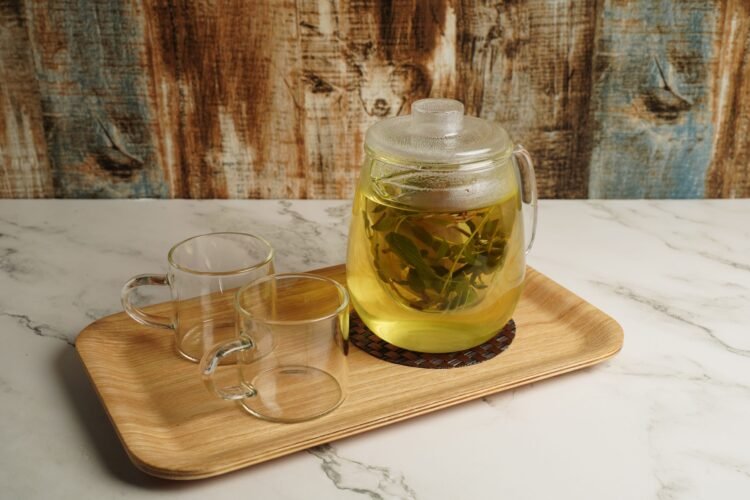
If you’re thinking about trying mugwort tea for the first time, one of the biggest questions you’ll probably have is: what does mugwort tea taste like? Unlike popular herbal teas such as chamomile, peppermint, or rooibos, mugwort tea has a unique flavour that often surprises first-time drinkers.
Some people love its bold, earthy character from the very first sip, while others find its natural bitterness takes a little getting used to. Like coffee, dark chocolate, or green tea, mugwort tea is a flavour that many people come to appreciate over time.
In this guide, we’ll explore exactly what mugwort tea tastes like, why it tastes that way, what affects its flavour, and how you can make it more enjoyable if you’re new to this traditional herbal infusion.
So, What Does Mugwort Tea Taste Like?
The simplest way to describe mugwort tea is:
- Earthy
- Herbal
- Slightly bitter
- Mildly grassy
- Aromatic
- Subtly floral
The flavour is often compared to other traditional herbs rather than conventional teas. Many people notice a pleasant herbal aroma followed by a slightly bitter finish.
The bitterness isn’t unpleasant when brewed correctly—in fact, it’s one of the characteristics that has made mugwort popular in traditional herbal practices for centuries.
Why Is Mugwort Tea Bitter?
One reason people ask what does mugwort tea taste like is because they’ve heard it can be bitter.
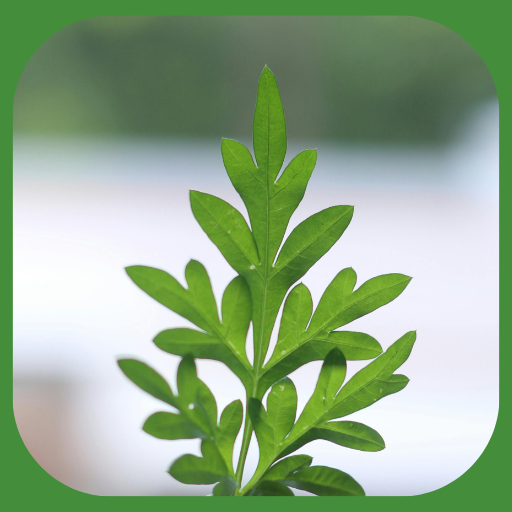
The bitterness comes from naturally occurring compounds found in the leaves of Artemisia vulgaris. These compounds have historically been associated with many traditional herbal uses.
The level of bitterness depends on several factors:
- The age of the leaves
- Whether they’re fresh or dried
- How long the tea is brewed
- The quantity of mugwort used
- Growing conditions
Young spring leaves usually produce a milder cup, while mature leaves tend to have a stronger, more intense flavour.
Does Fresh Mugwort Taste Different?
Yes.
Fresh mugwort and dried mugwort create noticeably different cups of tea.
Fresh Mugwort Tea
Fresh leaves generally produce a drink that is:
- Lighter
- Greener
- More delicate
- Slightly sweeter
- Less bitter
Fresh mugwort is often harvested in spring when the young leaves are at their most tender.
Dried Mugwort Tea
Drying concentrates the plant’s flavour.
Tea made from dried leaves is usually:
- Richer
- Earthier
- More aromatic
- Slightly stronger
- More bitter if over-steeped
For this reason, dried mugwort is often preferred by experienced herbal tea drinkers.
What Does Mugwort Tea Smell Like?
Before you even take your first sip, you’ll notice mugwort’s distinctive aroma.
Many people describe the scent as:
- Fresh herbs
- Wild meadow plants
- Sage-like
- Slightly woody
- Earthy
The aroma is one of the reasons mugwort has been used traditionally not only in teas but also in cooking, herbal preparations, and seasonal celebrations.
How Different Countries Enjoy the Flavour of Mugwort Tea
The taste of mugwort tea is appreciated in different ways around the world.
Japan
In Japan, mugwort is known as yomogi.
Japanese mugwort tea is often made using young spring leaves, giving it a smoother and slightly sweeter flavour.
It is commonly enjoyed alongside traditional sweets such as yomogi mochi, where the sweetness balances the herb’s earthy notes.
Korea
In Korea, mugwort is called ssuk.
Korean mugwort tea is sometimes served with honey or ginger, creating a warmer, more rounded flavour profile.
The herb is also used in rice cakes, soups, and porridge, helping people become familiar with its unique taste from an early age.
China
Chinese herbal traditions generally appreciate mugwort for its aromatic qualities.
The tea is often prepared simply, allowing the natural flavour of the herb to stand out.
Europe
Across Europe, mugwort tea has traditionally been brewed using dried leaves without additional ingredients.
This creates one of the strongest and most authentic versions of the drink.
What Influences the Taste of Mugwort Tea?
Every cup of mugwort tea is slightly different.
Several factors affect its flavour.
Harvest Time
Young spring leaves are generally:
- Milder
- Less bitter
- More aromatic
Older summer leaves often produce a stronger infusion.
Brewing Time
Steeping time has one of the biggest effects on flavour.
2–3 Minutes
- Mild
- Fresh
- Delicate
3–5 Minutes
- Balanced
- Earthy
- Traditional flavour
6+ Minutes
- Much stronger
- Noticeably bitter
- More intense herbal taste
If you’re trying mugwort tea for the first time, begin with a shorter brewing time.
Water Temperature
Water that’s too hot can extract more bitter compounds.
Allow freshly boiled water to cool for about a minute before pouring it over the leaves.
Quantity of Leaves
Using more mugwort doesn’t necessarily make a better tea.
A teaspoon of dried leaves per cup is usually enough for a balanced flavour.
How Can You Make Mugwort Tea Taste Better?
If you find the flavour too earthy or bitter, don’t worry.
Many people enjoy adding natural ingredients that complement mugwort’s herbal character.
Honey
Honey softens the bitterness and adds natural sweetness.
Lemon
Fresh lemon brightens the flavour and makes the tea feel lighter.
Ginger
Ginger adds warmth and spice, creating a comforting drink.
Mint
Mint introduces a refreshing contrast to mugwort’s earthy notes.
Cinnamon
Cinnamon adds a subtle sweetness and works particularly well during autumn and winter.
Experimenting with different ingredients is one of the best ways to discover your favourite version of mugwort tea.
Is Mugwort Tea an Acquired Taste?
For many people, yes.
Just as coffee, olives, or dark chocolate can take time to appreciate, mugwort tea often becomes more enjoyable with repeated tasting.
People who already enjoy herbal teas such as sage, dandelion, or wormwood are often more likely to appreciate mugwort’s flavour straight away.
If you’re completely new to herbal teas, you may prefer to start with a lighter brew and gradually increase the strength.
What Foods Pair Well With Mugwort Tea?
The earthy flavour of mugwort tea pairs surprisingly well with a range of foods.
Popular pairings include:
- Shortbread biscuits
- Oatcakes
- Honey cake
- Rice cakes
- Mochi
- Wholegrain bread
- Mild cheeses
- Fresh fruit
These foods complement the herbal flavour without overpowering it.
Frequently Asked Questions
Does mugwort tea taste like green tea?
No.
Although both are herbal in character, green tea has a fresher, slightly vegetal flavour, while mugwort tea is earthier and more bitter.
Is mugwort tea sweet?
Not naturally.
Most people describe mugwort tea as earthy and slightly bitter rather than sweet.
Can you reduce the bitterness?
Yes.
Use fewer leaves, shorten the brewing time, or add honey, lemon, or ginger.
Why do some people love the taste?
Many herbal enthusiasts enjoy mugwort tea because of its bold, natural flavour and long cultural history.
Learn More About Mugwort Tea
Now that you know what mugwort tea tastes like, why not explore its fascinating history, traditional uses, brewing methods, recipes, and safety advice?
👉 Read our complete Mugwort Tea Guide: https://mugworts.co.uk/mugwort-tea/
Conclusion
So, what does mugwort tea taste like? The answer depends on how it’s prepared, but most people describe it as earthy, aromatic, mildly grassy, and pleasantly bitter.
Its distinctive flavour has been appreciated across Europe and Asia for centuries, and with a few simple adjustments, such as adding honey, lemon, or ginger. You can tailor the taste to suit your own preferences.
Whether you’re curious about herbal teas or looking to explore traditional botanical drinks, mugwort tea offers a unique flavour experience that’s unlike almost anything else.