Fresh vs Dried Mugwort Tea: Which Is Better?
When making herbal tea, one of the first decisions you need to make is whether to use fresh or dried herbs. If you are exploring mugwort, you may be wondering about the differences between fresh vs dried mugwort tea and which option creates the best flavour and experience.
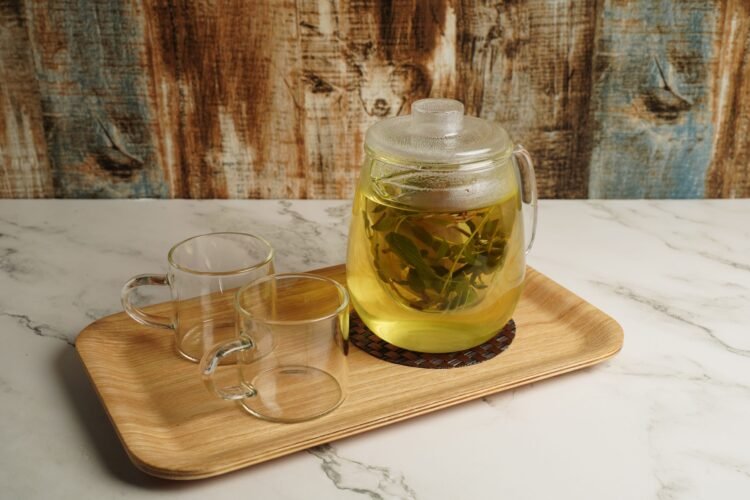
Both fresh and dried mugwort can be used to make a traditional herbal infusion, but they produce noticeably different results. Fresh leaves offer a lighter, greener flavour, while dried mugwort provides a stronger, more concentrated herbal character that many people associate with traditional mugwort tea.
The best choice depends on your preferences, availability, and how you plan to use the herb.
In this guide, we will compare fresh and dried mugwort tea, explain the advantages of each, show how to prepare both versions, and help you decide which one is right for you.
For a complete overview of mugwort tea, including history, recipes, traditional uses, and safety information, visit:
👉 Read our complete Mugwort Tea Guide:
https://mugworts.co.uk/mugwort-tea/
What Is Mugwort Tea?
Before comparing fresh vs dried mugwort tea, it is useful to understand the basics.
Mugwort tea is a caffeine-free herbal infusion made from the leaves of the mugwort plant (Artemisia vulgaris).
Unlike traditional tea made from Camellia sinensis, mugwort tea is made by steeping the leaves of an aromatic herb in hot water.
The plant has been used across Europe and Asia for centuries in:
- Traditional herbal practices
- Cooking
- Seasonal rituals
- Cultural ceremonies
Today, mugwort tea remains popular among herbal tea enthusiasts who appreciate its distinctive earthy flavour and long history.
Fresh Mugwort Tea Explained
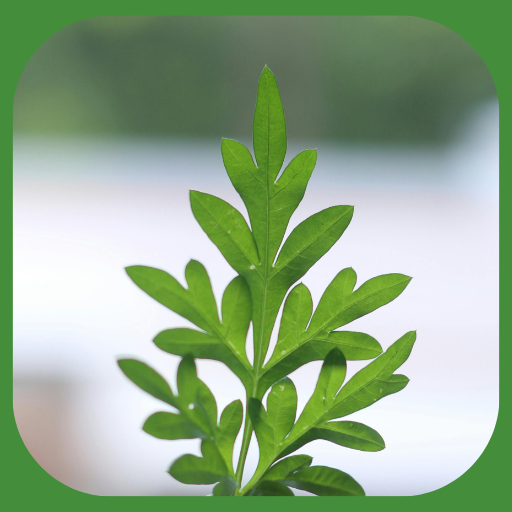
Fresh mugwort tea is made using recently harvested leaves from the living plant.
Fresh leaves are usually collected during spring and early summer when the plant is young and the leaves contain a softer aroma.
Because the leaves have not been dried, they retain more of their natural moisture and create a lighter infusion.
What Does Fresh Mugwort Tea Taste Like?
Fresh mugwort tea generally has a flavour that is:
- Lighter
- Fresher
- More grassy
- Slightly floral
- Less intense than dried mugwort
Many people find fresh mugwort easier to drink because the bitterness is often less pronounced.
The flavour can be compared to a fresh meadow herb infusion, with green and aromatic notes.
Advantages of Fresh Mugwort Tea
1. A Fresher Flavour
Fresh leaves provide a more vibrant herbal taste.
If you enjoy delicate herbal teas, fresh mugwort may be the better choice.
2. Seasonal Experience
Harvesting fresh mugwort connects you with traditional herbal practices.
Many cultures traditionally collected young herbs during spring when plants were considered at their most aromatic.
3. Softer Aroma
Fresh mugwort often produces a lighter scent compared with dried leaves.
This can appeal to beginners who find stronger herbal flavours challenging.
Disadvantages of Fresh Mugwort Tea
Although fresh leaves have advantages, there are also limitations.
Limited Availability
Fresh mugwort is seasonal.
Depending on where you live, it may only be available during certain months of the year.
Short Shelf Life
Fresh leaves deteriorate quickly.
They should be used soon after harvesting or preserved through drying.
Less Convenient
Unlike dried mugwort, fresh leaves cannot simply be stored in your cupboard ready for use.
Dried Mugwort Tea Explained
Dried mugwort tea is made from leaves that have been harvested and carefully dried to remove moisture.
Drying has been used for centuries as a way of preserving herbs so they can be enjoyed throughout the year.
Most commercially available mugwort tea products use dried leaves.
What Does Dried Mugwort Tea Taste Like?
Dried mugwort produces a stronger and more traditional herbal flavour.
It is often described as:
- Earthy
- Aromatic
- Slightly bitter
- Woody
- More concentrated
Because drying reduces the water content of the leaves, the natural flavours become more concentrated.
Advantages of Dried Mugwort Tea
1. Available All Year
One of the biggest benefits of dried mugwort is convenience.
You can enjoy mugwort tea throughout the year without waiting for the growing season.
2. Stronger Flavour
Drying concentrates the herb’s natural aroma.
This makes dried mugwort popular among experienced herbal tea drinkers.
3. Easier Storage
Properly dried mugwort can last for many months when stored correctly.
Keep it:
- In an airtight container
- Away from sunlight
- Away from moisture
- In a cool location
4. Easier to Measure
Dried leaves provide consistent measurements, making it easier to create the same strength of tea each time.
Disadvantages of Dried Mugwort Tea
Stronger Bitterness
Because dried mugwort is more concentrated, it can become bitter if too much is used or if it is brewed too long.
Quality Differences
The quality of dried mugwort depends on:
- Harvesting methods
- Drying process
- Storage conditions
- Age of the herb
Poor-quality dried herbs may lose their aroma over time.
Fresh vs Dried Mugwort Tea: Comparison Table
| Feature | Fresh Mugwort | Dried Mugwort |
|---|---|---|
| Flavour | Light and green | Strong and earthy |
| Availability | Seasonal | Available year-round |
| Storage | Short shelf life | Long shelf life |
| Aroma | Fresh herbal scent | Concentrated aroma |
| Convenience | Requires harvesting | Easy to prepare |
| Strength | Milder | More intense |
| Best for | Beginners and seasonal use | Regular tea preparation |
How to Make Fresh Mugwort Tea
Ingredients
- 5–10 fresh mugwort leaves
- 250 ml hot water
Method
- Wash the leaves thoroughly.
- Place them in a cup or teapot.
- Pour over hot water.
- Cover and steep for 3–5 minutes.
- Strain before drinking.
Fresh mugwort usually requires slightly more leaves than dried mugwort because the water content reduces the concentration.
How to Make Dried Mugwort Tea
Ingredients
- 1 teaspoon dried mugwort leaves
- 250 ml hot water
Method
- Add dried leaves to a tea infuser.
- Pour over hot water.
- Allow to steep for 3–5 minutes.
- Remove the leaves.
- Add honey, lemon, or ginger if desired.
Which Is Better: Fresh or Dried Mugwort Tea?
The answer depends on what you value most.
Choose Fresh Mugwort If You Prefer:
- A lighter flavour
- Seasonal harvesting
- A fresher herbal experience
- A gentler introduction to mugwort
Choose Dried Mugwort If You Prefer:
- Convenience
- Stronger flavour
- Year-round availability
- Traditional herbal tea preparation
For most people who regularly drink mugwort tea, dried leaves are the more practical option.
However, trying fresh mugwort when it is available can be a rewarding way to experience the herb at its most natural.
Can You Dry Fresh Mugwort Yourself?
Yes.
Many people preserve their own mugwort by drying the leaves.
A simple method:
- Harvest healthy leaves.
- Remove damaged parts.
- Rinse gently if needed.
- Tie small bundles together.
- Hang them upside down in a dry, dark place.
- Allow several days for drying.
- Store in an airtight container.
The leaves should be completely dry before storage to prevent mould.
Does Drying Change Mugwort’s Properties?
Drying changes the flavour and texture of mugwort, but it is a traditional preservation method used for centuries.
The process removes moisture and concentrates the plant’s natural aromatic compounds.
However, scientific research into how drying affects all of mugwort’s individual compounds is still developing.
Frequently Asked Questions
Is fresh mugwort better than dried mugwort?
Neither is necessarily better. Fresh mugwort offers a lighter flavour, while dried mugwort provides convenience and a stronger taste.
Can you use dried mugwort for tea every day?
There are no universally established guidelines for daily consumption. Anyone considering regular use should seek appropriate advice, especially if pregnant, breastfeeding, taking medication, or managing a health condition.
Does fresh mugwort taste less bitter?
Generally, yes. Fresh leaves often produce a milder flavour than dried leaves.
How long does dried mugwort last?
When stored correctly in an airtight container, dried mugwort can remain usable for many months.
Learn More About Mugwort Tea
Whether you choose fresh or dried leaves, mugwort tea has a fascinating history and a unique place in herbal traditions around the world.
Discover more about preparation methods, traditional uses, recipes, and safety considerations in our complete guide:
👉 Read our complete Mugwort Tea Guide:
https://mugworts.co.uk/mugwort-tea/
Conclusion
When comparing fresh vs dried mugwort tea, there is no single winner. Both versions offer a unique way to experience this traditional herb.
Fresh mugwort creates a lighter, greener infusion that celebrates the plant’s seasonal character. Dried mugwort provides a stronger, more convenient tea that can be enjoyed throughout the year.
For beginners, fresh mugwort may be easier to appreciate because of its softer flavour. For regular tea drinkers, dried mugwort is often the preferred choice because it is practical, consistent, and easy to store.
Whichever option you choose, preparing mugwort tea connects you with centuries of herbal traditions and the fascinating relationship between people and plants.