How to Brew the Perfect Mugwort Tea: A Complete Step-by-Step Guide
Learning how to brew mugwort tea correctly can make a huge difference to the flavour and overall experience of this traditional herbal infusion.
Mugwort tea has been enjoyed for centuries across Europe and Asia, but because of its naturally earthy and slightly bitter taste, the brewing method is important. Using too many leaves or steeping for too long can create an overpowering cup, while a careful preparation method produces a smoother and more balanced herbal drink.
Whether you are using dried mugwort purchased from a specialist supplier or leaves harvested from your own garden, this guide will show you how to brew mugwort tea properly, including the ideal water temperature, steeping time, serving ideas, and common mistakes to avoid.
For a complete overview of mugwort tea history, traditional uses, recipes, and safety information, visit our main guide:
👉 Read our complete Mugwort Tea Guide:
https://mugworts.co.uk/mugwort-tea/
What You Need to Make Mugwort Tea
One of the advantages of mugwort tea is how simple it is to prepare.
Unlike complicated herbal blends, a traditional cup requires only a few ingredients.
Ingredients
For one cup:
- 1 teaspoon dried mugwort leaves
- 250 ml hot water
- Honey, lemon, ginger, or mint (optional)
Equipment
You can use:
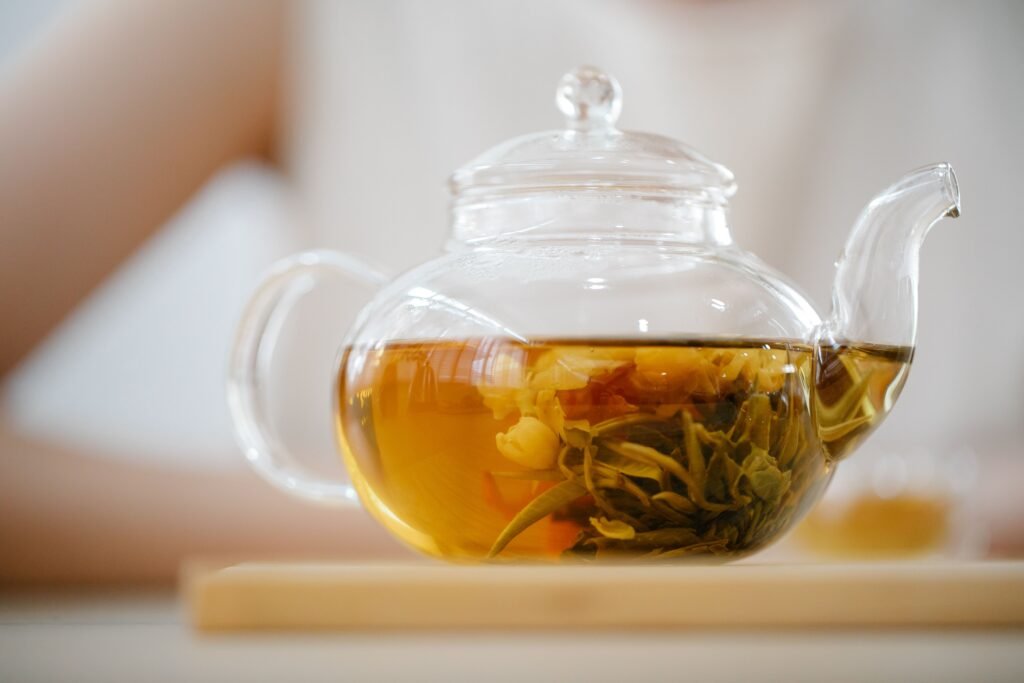
- A teapot
- A tea infuser
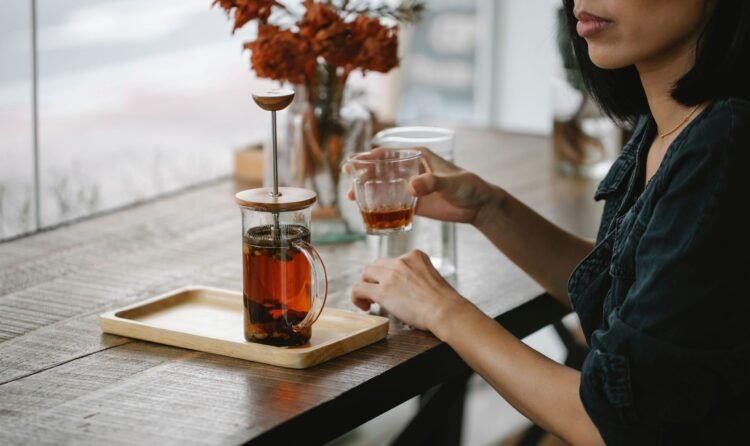
- A French press
- A fine tea strainer
- A simple mug with a removable infuser
Loose leaves are often preferred because they allow the herb to expand fully during brewing.
Choosing the Best Mugwort for Tea
Before learning how to brew mugwort tea, it is important to choose good-quality leaves.
The flavour of your final drink depends heavily on the quality of the herb.
Look for mugwort that:
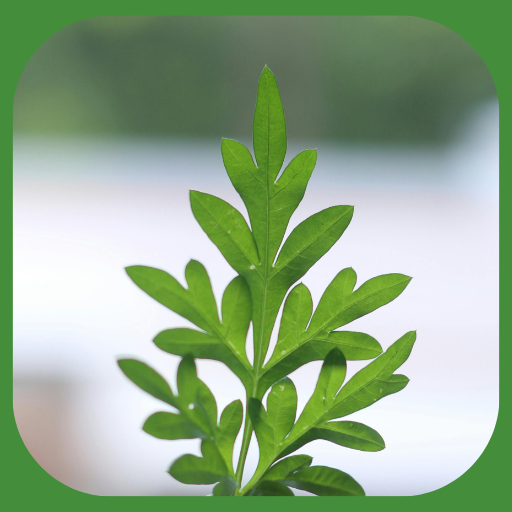
- Is correctly identified as Artemisia vulgaris
- Has a fresh herbal aroma
- Contains mostly leaves rather than excessive stems
- Has been stored away from moisture and sunlight
- Comes from a reputable supplier
Poor-quality mugwort may taste stale, dusty, or excessively bitter.
Fresh vs Dried Mugwort for Brewing Tea
Both fresh and dried mugwort can be used, but they create different results.
Brewing With Fresh Mugwort
Fresh leaves create a lighter and greener tasting tea.
Fresh mugwort tea is often:
- More delicate
- Slightly fresher tasting
- Less intense
- More seasonal
Fresh leaves are best harvested before flowering when the plant is young and aromatic.
Brewing With Dried Mugwort
Dried leaves are the traditional choice for herbal tea.
Dried mugwort produces:
- A stronger aroma
- A deeper flavour
- A longer-lasting supply
- A more concentrated infusion
Most commercially available mugwort tea uses dried leaves.
How to Brew Mugwort Tea: Step-by-Step Method
Follow these simple steps for a balanced cup.
Step 1: Heat Fresh Water
Start with fresh, filtered water if possible.
Bring the water to the boil, then allow it to cool slightly for around 30–60 seconds.
Extremely hot water can extract more bitter compounds, so slightly cooled water often creates a smoother flavour.
Step 2: Measure the Mugwort
Use approximately:
- 1 teaspoon dried mugwort per 250 ml cup
If you are new to mugwort tea, start with slightly less.
You can always increase the strength later.
Step 3: Add Hot Water
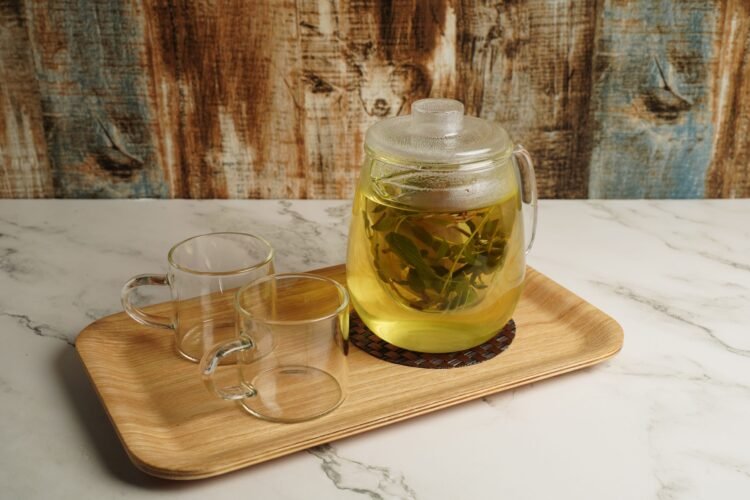
Place the mugwort leaves into your teapot or infuser.
Pour the hot water directly over the leaves.
Make sure all leaves are fully covered.
Step 4: Cover While Steeping
Covering your cup or teapot helps preserve the aromatic oils released during brewing.
These oils contribute to mugwort’s distinctive herbal scent and flavour.
Step 5: Allow the Tea to Steep
The ideal brewing time is usually:
3 Minutes
Produces:
- Mild flavour
- Lighter herbal notes
- Less bitterness
5 Minutes
Produces:
- Traditional strength
- Balanced flavour
- More noticeable herbal character
7+ Minutes
Produces:
- Stronger taste
- More bitterness
- More intense aroma
For beginners, a 3–5 minute steep is usually the best starting point.
Step 6: Strain and Serve
Remove the leaves before drinking.
Mugwort tea can be enjoyed:
- Plain
- Warm
- With honey
- With lemon
- Blended with other herbs
The Perfect Mugwort Tea Recipe
Classic Mugwort Tea
Ingredients
- 1 teaspoon dried mugwort
- 250 ml hot water
- Honey (optional)
Instructions
- Add mugwort leaves to a cup or teapot.
- Pour over hot water.
- Cover and steep for 3–5 minutes.
- Strain the leaves.
- Add honey if desired.
- Enjoy while warm.
This simple recipe allows the natural flavour of mugwort to shine.
How to Make Mugwort Tea Taste Better
Because mugwort has a naturally bitter and earthy flavour, many people enjoy blending it with complementary ingredients.
Honey Mugwort Tea
Honey adds sweetness and softens the herbal bitterness.
Simply stir one teaspoon of honey into freshly brewed tea.
Lemon Mugwort Tea
Fresh lemon adds brightness and creates a lighter flavour.
Add:
- Two slices of fresh lemon
- Or a small squeeze of lemon juice
Ginger Mugwort Tea
Ginger pairs especially well with mugwort because both herbs have warming characteristics.
Add a few slices of fresh ginger while brewing.
Mint Mugwort Tea
Mint creates a refreshing contrast to mugwort’s earthy notes.
Add a few fresh mint leaves during steeping.
How Different Cultures Brew Mugwort Tea
The method of preparing mugwort tea varies around the world.
Japanese Yomogi Tea
In Japan, mugwort is called yomogi.
Traditional Japanese preparations often use young leaves, producing a smoother and more delicate flavour.
Yomogi tea is frequently enjoyed alongside seasonal sweets.
Korean Ssuk Tea
Korean mugwort tea, known as ssuk tea, often uses dried mugwort leaves.
Some preparations include honey or ginger to create a warmer flavour.
European Mugwort Tea
European traditions commonly use dried leaves steeped simply in hot water.
The focus is usually on appreciating the herb’s natural aroma.
Common Mistakes When Brewing Mugwort Tea
Even though making mugwort tea is simple, several mistakes can affect the result.
Using Too Much Mugwort
A larger quantity does not necessarily create a better tea.
Too many leaves can make the flavour harsh and overly bitter.
Steeping for Too Long
Leaving mugwort in water for too long can overpower the more pleasant herbal notes.
Start with a shorter brewing time and adjust gradually.
Drinking It Too Strong
If you are new to mugwort tea, begin with a mild preparation.
Your taste preferences may change as you become familiar with the flavour.
Can You Cold Brew Mugwort Tea?
Yes.
Cold brewing creates a smoother and less bitter version of mugwort tea.
Cold Brew Mugwort Tea Recipe
Ingredients
- 2 teaspoons dried mugwort
- 500 ml cold water
Instructions
- Add mugwort leaves to cold water.
- Place in the refrigerator.
- Leave for 8–12 hours.
- Strain before drinking.
- Add lemon or mint if desired.
Cold brewing extracts flavours more slowly and often produces a gentler cup.
How to Store Mugwort for Tea
Proper storage helps preserve flavour.
Store dried mugwort:
- In an airtight glass jar
- Away from sunlight
- Away from moisture
- In a cool cupboard
Avoid storing herbs near strong-smelling foods because they can absorb surrounding aromas.
Frequently Asked Questions
What temperature should mugwort tea be brewed at?
Hot water just below boiling point is ideal.
How long should mugwort tea steep?
Most people prefer between 3 and 5 minutes.
Why does my mugwort tea taste bitter?
It may be caused by using too many leaves or steeping for too long.
Can I mix mugwort with other herbs?
Yes. Popular combinations include ginger, mint, lemon balm, chamomile, and cinnamon.
Learn More About Mugwort Tea
Now that you know how to brew mugwort tea, explore our complete guide covering the history, traditional uses, recipes, benefits, and safety information surrounding this fascinating herbal drink.
👉 Read our complete Mugwort Tea Guide:
https://mugworts.co.uk/mugwort-tea/
Conclusion
Knowing how to brew mugwort tea properly allows you to enjoy its unique flavour without making it unnecessarily bitter or overpowering.
The key is balance: use the right amount of leaves, avoid excessive steeping, and experiment with flavours that complement mugwort’s earthy character.
From traditional Japanese yomogi tea to modern honey and lemon blends, mugwort tea continues to connect people with centuries of herbal traditions.
With the right preparation method, this ancient herbal infusion can become a fascinating addition to your tea collection.