Mugwort Tea Allergy: Symptoms, Causes and Who Is Most at Risk

Interest in herbal teas has grown significantly in recent years, and mugwort tea is no exception. While many people enjoy its distinctive earthy flavour and long history in traditional herbal practices, some people may experience an allergic reaction after drinking it. If you’ve been searching for mugwort tea allergy, it’s important to understand the risks before trying this herbal infusion.
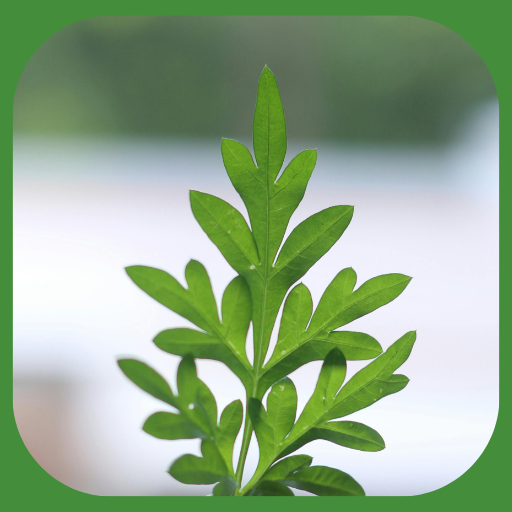
Mugwort (Artemisia vulgaris) belongs to the daisy family (Asteraceae), a group of plants that also includes ragweed, chamomile, chrysanthemums, daisies, and sunflowers. People who are allergic to one or more of these plants may also react to mugwort because of similarities in the proteins they contain.
Fortunately, not everyone is allergic to mugwort, and many people can enjoy mugwort tea without any problems. However, recognising the symptoms of an allergy and knowing when to seek medical advice is essential.
In this guide, we’ll explain what a mugwort tea allergy is, why it happens, common symptoms, foods linked to mugwort allergy, and what current medical research tells us.
If you’re looking for brewing tips, recipes, cultural history, and general safety advice, read our complete guide:
👉 Read our complete Mugwort Tea Guide:
https://mugworts.co.uk/mugwort-tea/
What Is a Mugwort Tea Allergy?
A mugwort tea allergy occurs when the body’s immune system mistakenly identifies proteins found in mugwort as harmful.
Instead of ignoring these harmless plant proteins, the immune system releases chemicals such as histamine, which can trigger allergy symptoms.
The severity of a mugwort allergy varies from person to person.
Some people experience only mild hay fever-like symptoms, while others may develop more serious allergic reactions.
Why Can Mugwort Cause Allergic Reactions?
Mugwort belongs to the Asteraceae family of flowering plants.
Other members of this family include:
- Ragweed
- Daisies
- Chrysanthemums
- Chamomile
- Sunflowers
Because these plants share similar proteins, someone who is already allergic to one member of the family may also react to mugwort.
This is known as cross-reactivity.
Cross-reactivity does not affect everyone, but it is a well-recognised feature of pollen allergies.
Common Symptoms of a Mugwort Tea Allergy
The symptoms of a mugwort tea allergy can develop within minutes or a few hours after consuming the tea.
Common symptoms include:
- Sneezing
- Runny or blocked nose
- Itchy eyes
- Skin rash
- Hives (urticaria)
- Tingling or itching in the mouth
- Swollen lips
- Mild swelling of the tongue
- Wheezing
- Coughing
Some people experience only one or two symptoms, while others may develop several at once.
Severe Allergic Reactions
Although uncommon, severe allergic reactions can occur.
Symptoms that require immediate emergency medical attention include:
- Difficulty breathing
- Swelling of the throat
- Severe wheezing
- Difficulty swallowing
- Persistent dizziness
- Collapse
These symptoms may indicate anaphylaxis, a serious medical emergency that requires urgent treatment.
If someone develops these symptoms after drinking mugwort tea, seek emergency medical help immediately.
Mugwort Pollen Allergy
Many people first discover their mugwort allergy through exposure to airborne pollen rather than herbal tea.
Mugwort pollen is a recognised seasonal allergen in parts of Europe, Asia, and North America.
Typical pollen allergy symptoms include:
- Sneezing
- Itchy eyes
- Nasal congestion
- Runny nose
If you already know that you have a mugwort pollen allergy, you should speak to your healthcare provider before drinking mugwort tea.
Oral Allergy Syndrome (Pollen-Food Allergy Syndrome)
Some people with a mugwort allergy experience Oral Allergy Syndrome (OAS), also called Pollen-Food Allergy Syndrome (PFAS).
This happens because certain fruits, vegetables, herbs, and spices contain proteins that resemble those found in mugwort pollen.
As a result, the immune system may react to these foods.
Foods Associated With Mugwort Allergy
People with mugwort allergy may react to certain foods, including:
- Celery
- Carrots
- Apples
- Peaches
- Bell peppers
- Sunflower seeds
- Parsley
- Coriander (cilantro)
- Fennel
- Some spices
Not everyone with a mugwort allergy will react to these foods, but the association is well documented in allergy research.
Who Is Most at Risk?
You may have a higher chance of developing a mugwort tea allergy if you:
- Have hay fever
- Have a known ragweed allergy
- Are allergic to daisies or chrysanthemums
- Have multiple pollen allergies
- Have a personal or family history of allergic conditions
Having one allergy does not guarantee that you will develop another, but it can increase your overall risk.
Can You Develop a Mugwort Allergy Later in Life?
Yes.
Allergies can develop at any age.
Some people drink herbal teas for years without problems before becoming sensitised to certain plant proteins.
Others may only discover their allergy after repeated exposure.
How Is a Mugwort Allergy Diagnosed?
If you suspect you have a mugwort allergy, your GP may refer you to an allergy specialist.
Diagnosis may involve:
- A discussion of your symptoms
- Your medical history
- Skin prick testing
- Blood tests measuring allergy-related antibodies
- Specialist assessment if needed
Do not attempt to diagnose a serious allergy yourself.
What Should You Do If You Think You’re Allergic?
If you experience mild symptoms after drinking mugwort tea:
- Stop drinking the tea.
- Avoid further exposure until you’ve spoken with a healthcare professional.
- Monitor your symptoms.
If you develop severe symptoms such as difficulty breathing or swelling of the throat, seek emergency medical attention immediately.
Can You Prevent a Mugwort Tea Allergy?
You cannot prevent an allergy from developing, but you can reduce your risk of a reaction.
Read Product Labels
Ensure herbal teas are correctly labelled and check ingredient lists carefully, especially in herbal blends.
Know Your Existing Allergies
If you are allergic to ragweed or other members of the daisy family, discuss mugwort tea with your healthcare provider before trying it.
Introduce New Herbal Teas Carefully
When trying any herbal tea for the first time, start with a small amount and observe how your body responds.
What Does Research Say?
Researchers have identified mugwort as a recognised allergenic plant, particularly because of its pollen.
Medical studies have shown that mugwort pollen can trigger allergic reactions in susceptible individuals and that cross-reactivity with certain foods is well documented.
However, not everyone with pollen allergies will react to mugwort tea, and individual responses vary.
More research is needed to better understand reactions specifically related to consuming mugwort as a herbal infusion.
Frequently Asked Questions
Can mugwort tea cause allergies?
Yes. Some people may develop allergic reactions after drinking mugwort tea, particularly if they are allergic to plants in the daisy family.
Is mugwort related to ragweed?
Yes. Both mugwort and ragweed belong to the Asteraceae family and share similar allergenic proteins.
What are the first signs of a mugwort tea allergy?
Common early symptoms include itching in the mouth, sneezing, itchy eyes, skin rashes, or hives.
Should I drink mugwort tea if I have hay fever?
Not without first discussing it with a healthcare professional, especially if your hay fever is related to mugwort, ragweed, or similar plants.
Learn More About Mugwort Tea
Understanding mugwort tea allergy is just one part of using herbal teas responsibly.
To discover brewing methods, traditional recipes, flavour profiles, history, and other safety advice, visit our complete guide:
👉 Read our complete Mugwort Tea Guide:
https://mugworts.co.uk/mugwort-tea/
Conclusion
A mugwort tea allergy is uncommon but can be serious for those who are sensitive to mugwort or related plants. Knowing the symptoms, understanding cross-reactivity with other members of the daisy family, and recognising when to seek medical advice can help you make informed decisions before trying mugwort tea.
For most people, mugwort tea can be enjoyed responsibly when sourced from reputable suppliers and consumed in moderation. However, if you have a history of pollen allergies, hay fever, or reactions to ragweed or similar plants, it’s wise to speak with your healthcare provider before adding mugwort tea to your routine.