Is Mugwort Tea Safe? Everything You Need to Know Before Drinking It
As interest in traditional herbal teas continues to grow, many people are discovering mugwort tea for the first time. With its long history in European and Asian herbal traditions, mugwort has become popular among people interested in natural beverages, botanical remedies, and traditional plant knowledge.
However, before trying any herbal product, it is sensible to ask an important question:
Is mugwort tea safe?
The answer is not completely straightforward.
For many healthy adults, enjoying mugwort tea occasionally may be perfectly acceptable. However, mugwort is a biologically active herb, and it may not be suitable for everyone. Certain groups, including pregnant people, those with plant allergies, and individuals taking specific medications, should exercise caution.
This guide explores the safety of mugwort tea, possible risks, who should avoid it, what research says, and how to approach this traditional herbal drink responsibly.
For a complete guide covering mugwort tea recipes, brewing methods, history, and traditional uses, visit:
👉 Read our complete Mugwort Tea Guide:
https://mugworts.co.uk/mugwort-tea/
What Is Mugwort Tea?
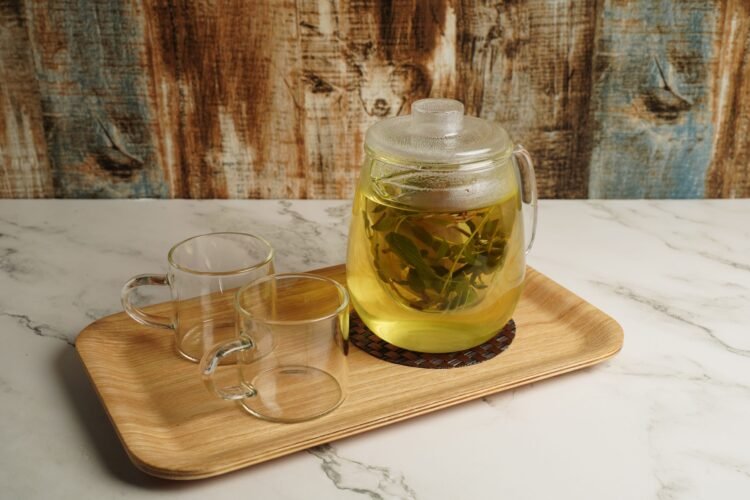
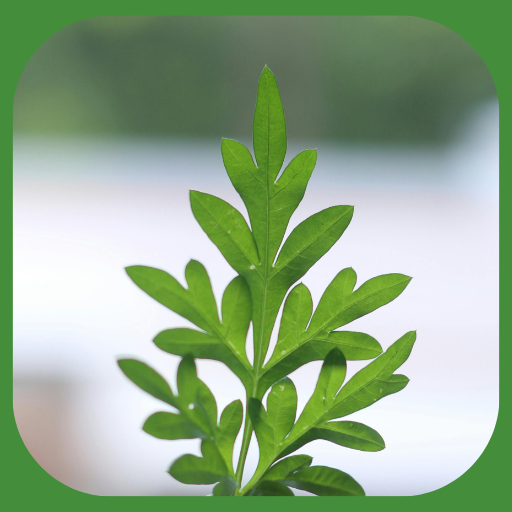
Mugwort tea is a herbal infusion made from the leaves of mugwort (Artemisia vulgaris).
Unlike traditional tea made from the tea plant (Camellia sinensis), mugwort tea is naturally caffeine-free.
Mugwort belongs to the Asteraceae family, which includes plants such as:
- Ragweed
- Chamomile
- Daisies
- Chrysanthemums
- Sunflowers
The plant has been used historically throughout:
- Europe
- China
- Japan
- Korea
Traditional uses have included herbal drinks, cooking, and cultural practices.
Is Mugwort Tea Safe for Everyone?
The short answer is:
No. Mugwort tea is not suitable for everyone.
Although many people enjoy mugwort tea without problems, some individuals may experience unwanted reactions.
Safety depends on factors such as:
- Your general health
- Existing allergies
- Pregnancy status
- Medications you take
- How much you consume
- The quality of the product
Like many herbs, mugwort should be treated with respect rather than assumed to be harmless simply because it is natural.
Is Mugwort Tea Safe for Healthy Adults?
For many healthy adults, occasional consumption of mugwort tea is unlikely to cause problems.
People often enjoy it because it is:
- Naturally caffeine-free
- A traditional herbal beverage
- An alternative to conventional teas
- Interesting from a cultural and historical perspective
However, there is limited scientific research on the long-term effects of drinking mugwort tea regularly.
For this reason, moderation is generally recommended.
Possible Mugwort Tea Side Effects
Although many people tolerate mugwort tea well, possible side effects may include:
- Digestive discomfort
- Nausea
- Stomach irritation
- Skin reactions
- Allergic symptoms
- Mouth or throat irritation
The risk of side effects may increase if:
- Large amounts are consumed
- The tea is made very strong
- A person has an allergy to related plants
If you experience unpleasant symptoms after drinking mugwort tea, stop using it and seek medical advice if needed.
Is Mugwort Tea Safe During Pregnancy?
One of the most common safety questions is:
Is mugwort tea safe during pregnancy?
The general recommendation is:
Avoid mugwort tea during pregnancy unless specifically advised by a healthcare professional.
There is not enough reliable research confirming its safety during pregnancy.
Mugwort also has a history of traditional associations with women’s health and reproductive practices, which is another reason healthcare professionals recommend caution.
If you are pregnant, trying to conceive, or breastfeeding, speak with your GP, midwife, or healthcare provider before using mugwort products.
Is Mugwort Tea Safe While Breastfeeding?
There is currently limited information about mugwort tea and breastfeeding.
Because researchers do not fully understand how mugwort compounds may affect breast milk or infants, many healthcare professionals recommend avoiding regular consumption while breastfeeding unless advised otherwise.
Is Mugwort Tea Safe If You Have Allergies?
People with certain allergies may need to be careful.
Because mugwort belongs to the Asteraceae family, people allergic to related plants may also react to mugwort.
Extra caution is advised if you have allergies to:
- Ragweed
- Daisies
- Chrysanthemums
- Chamomile
- Sunflowers
Possible allergy symptoms include:
- Sneezing
- Itchy eyes
- Skin rash
- Hives
- Swelling
- Breathing difficulties
Anyone with a history of serious allergies should speak with a healthcare professional before trying mugwort tea.
Is Mugwort Tea Safe With Medication?
Herbal products can sometimes interact with medicines.
Although research into mugwort-specific interactions is limited, caution is recommended if you take medication for:
- Blood clotting
- Diabetes
- Blood pressure
- Heart conditions
- Seizure disorders
Always speak with your GP or pharmacist before adding herbal products to your routine if you regularly take medication.
Can You Drink Mugwort Tea Every Day?
Many people wonder whether daily mugwort tea consumption is safe.
Currently, there are:
- No official daily intake guidelines
- Limited long-term safety studies
- No established recommended dosage
Some herbal enthusiasts drink mugwort tea regularly, while others prefer occasional use.
A cautious approach includes:
- Drinking moderate amounts
- Avoiding very strong preparations
- Taking breaks from regular use
- Monitoring how your body responds
How to Make Mugwort Tea More Safely
If you choose to drink mugwort tea, these simple tips can help.
Choose Quality Mugwort
Buy from reputable suppliers who correctly identify the herb as Artemisia vulgaris.
Start With a Mild Brew
If you have never tried mugwort tea before:
- Use a small amount of herb
- Avoid very concentrated preparations
- See how your body responds
Avoid Mixing Too Many Herbs
Combining multiple herbs can make it difficult to identify which ingredient may cause a reaction.
When trying mugwort tea for the first time, it is better to keep the preparation simple.
Use Mugwort Responsibly
Mugwort tea should be viewed as a traditional herbal beverage rather than a replacement for medical treatment.
What Does Scientific Research Say About Mugwort Safety?
Scientists have studied mugwort (Artemisia vulgaris) because it contains various natural compounds, including:
- Flavonoids
- Phenolic compounds
- Essential oils
- Terpenes
Research suggests these compounds may have interesting biological properties.
However, many studies have been performed in laboratories rather than large human trials.
At present, there is not enough evidence to confirm many traditional claims about mugwort tea or determine the effects of long-term daily consumption.
More research is needed.
Frequently Asked Questions
Is mugwort tea safe to drink?
Many healthy adults can enjoy mugwort tea occasionally, but it is not suitable for everyone. Pregnant people, breastfeeding parents, allergy sufferers, and those taking medication should seek advice first.
Can children drink mugwort tea?
There is limited research on the safety of mugwort tea for children. Parents should consult a healthcare professional before giving herbal products to children.
Does mugwort tea contain caffeine?
No. Mugwort tea is naturally caffeine-free.
Is mugwort tea addictive?
No. Mugwort tea does not contain caffeine and is not considered addictive.
Learn More About Mugwort Tea
If you want to discover more about this fascinating herbal infusion, explore our complete guide covering preparation, recipes, history, and traditional uses:
👉 Read our complete Mugwort Tea Guide:
https://mugworts.co.uk/mugwort-tea/
Conclusion
So, is mugwort tea safe?
For many healthy adults, occasional mugwort tea may be enjoyed as a traditional herbal drink. However, it is not suitable for everyone, and certain groups should take extra precautions.
People who are pregnant, breastfeeding, allergic to plants in the daisy family, or taking prescription medication should speak with a healthcare professional before drinking mugwort tea.
As with all herbal products, the safest approach is informed use: choose quality ingredients, drink in moderation, and understand how your own body responds.
Mugwort tea has a fascinating history spanning centuries and cultures, but responsible enjoyment is the key to making the most of this traditional herbal beverage.