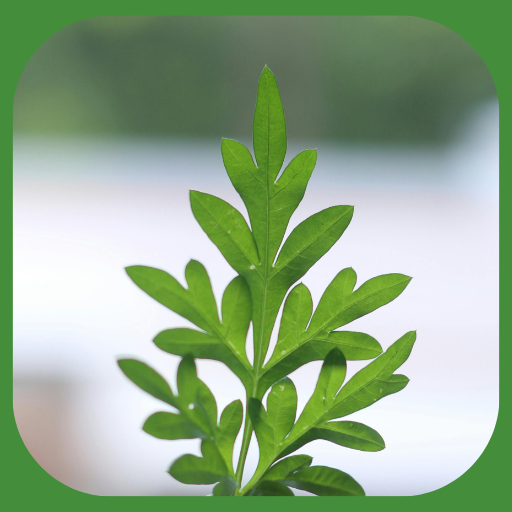
Is Mugwort Tea Caffeinated? Everything You Need to Know
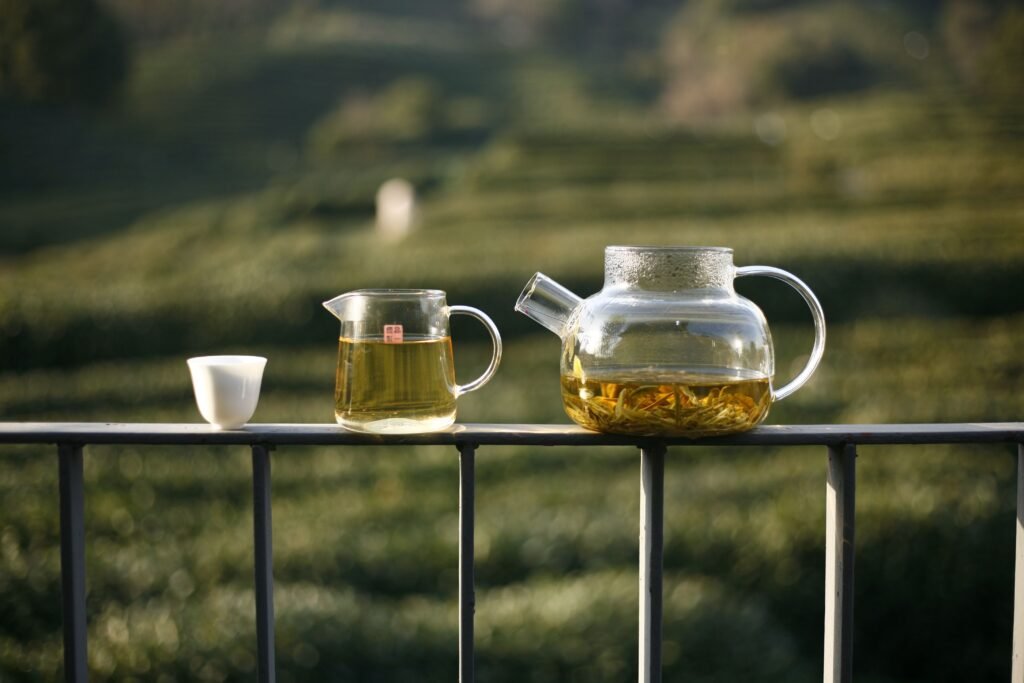
If you enjoy herbal drinks but are trying to reduce your caffeine intake, you may be wondering: is mugwort tea caffeinated?
The simple answer is no — mugwort tea is naturally caffeine-free.
Unlike traditional teas such as black tea, green tea, white tea, and oolong tea, which are made from the leaves of the Camellia sinensis plant, mugwort tea is made from the leaves of Artemisia vulgaris, a completely different plant species.
This makes mugwort tea an interesting option for people who want a warm, aromatic drink without the stimulating effects of caffeine.
In this guide, we’ll explain why mugwort tea contains no caffeine, how it compares with other popular teas, when you might choose it, and what you should know before drinking it.
What Is Mugwort Tea?
Before answering is mugwort tea caffeinated, it’s helpful to understand what mugwort tea actually is.
Mugwort tea is a herbal infusion made by steeping the leaves of the mugwort plant (Artemisia vulgaris) in hot water.
The plant belongs to the Artemisia family, which includes other well-known herbs such as:
- Wormwood (Artemisia absinthium)
- Tarragon (Artemisia dracunculus)
- Sweet Annie (Artemisia annua)
Mugwort has been used traditionally across Europe and Asia for centuries, where it has appeared in cooking, herbal practices, and cultural traditions.
Because it is made from an herb rather than a tea plant, it does not naturally contain caffeine.
Does Mugwort Tea Contain Caffeine?
No, mugwort tea does not contain caffeine.
Caffeine is a natural stimulant produced by certain plants, including:
- Tea plants
- Coffee plants
- Cacao plants
- Guarana plants
- Yerba mate plants
Mugwort does not produce caffeine, meaning a standard cup of mugwort tea contains none.
This makes it suitable for people who:
- Want to avoid caffeine
- Are sensitive to caffeine
- Prefer herbal drinks in the evening
- Are looking for alternatives to traditional tea or coffee
However, caffeine-free does not mean that every herbal tea is suitable for everyone. Mugwort contains naturally occurring plant compounds, so it should still be consumed responsibly.
How Does Mugwort Tea Compare With Other Teas?
Understanding how mugwort tea compares with other drinks can help explain why people choose it.
| Drink | Contains Caffeine? |
|---|---|
| Mugwort tea | No |
| Chamomile tea | No |
| Peppermint tea | No |
| Rooibos tea | No |
| Green tea | Yes |
| Black tea | Yes |
| White tea | Yes |
| Oolong tea | Yes |
| Matcha | Yes |
Unlike green tea or black tea, mugwort tea provides the experience of a traditional warm beverage without caffeine.
Why Choose a Caffeine-Free Tea?
Many people enjoy caffeine, but others prefer to limit their intake.
Common reasons for choosing caffeine-free drinks include:
Avoiding Sleep Disruption
Caffeine can remain in the body for several hours after consumption.
Some people choose caffeine-free herbal teas in the evening because they want a relaxing drink without stimulation.
Reducing Caffeine Intake
People who drink several cups of coffee or tea each day may choose herbal alternatives to reduce their overall caffeine consumption.
Enjoying Evening Herbal Rituals
Many cultures have traditions of drinking herbal infusions as part of a relaxing evening routine.
A warm cup of mugwort tea can become part of a calming ritual before bedtime.
Does Mugwort Tea Give You Energy?
Because mugwort tea is not caffeinated, it does not provide the same stimulating effect as coffee or caffeinated teas.
A cup of coffee works partly because caffeine blocks adenosine receptors in the brain, helping people feel more alert.
Mugwort tea does not work in this way.
Instead, people often enjoy it because of:
- Its aroma
- Its flavour
- The relaxing ritual of preparing herbal tea
- Its connection to traditional herbal practices
If you are looking for an energy boost, mugwort tea is not a replacement for coffee or caffeinated tea.
Can You Drink Mugwort Tea Before Bed?
Many people choose caffeine-free herbal drinks in the evening, and mugwort tea is sometimes included in nighttime herbal routines.
Historically, mugwort has been associated with dreams and folklore, which has contributed to its nickname as a “dream herb”.
However, there is limited scientific evidence showing that mugwort tea directly improves sleep.
The relaxing effect may come from:
- Drinking a warm beverage
- Taking time away from screens and daily stress
- Creating a consistent bedtime routine
Everyone responds differently to herbal products, so it’s best to see how your body reacts.
Is Mugwort Tea Better Than Coffee?
Whether mugwort tea is “better” than coffee depends entirely on what you are looking for.
Coffee
Advantages:
- Contains caffeine
- Can improve alertness
- Strong flavour
- Widely available
Disadvantages:
- May affect sleep
- Some people are sensitive to caffeine
- Can cause jitters in some individuals
Mugwort Tea
Advantages:
- Naturally caffeine-free
- Unique herbal flavour
- Long cultural history
- Suitable as an alternative warm drink
Disadvantages:
- Does not provide caffeine energy
- Strong herbal taste may not suit everyone
- Not suitable for everyone due to potential sensitivities
They serve completely different purposes.
Is Mugwort Tea Safe for Children?
Because there is limited research on the use of mugwort tea in children, it is best to seek advice from a healthcare professional before giving it to children.
Herbal products can contain active plant compounds, and children’s bodies may respond differently compared with adults.
Can You Drink Mugwort Tea Every Day?
Although mugwort has been used traditionally for generations, there are no universally established guidelines for daily consumption.
If you choose to drink mugwort tea regularly:
- Start with small amounts
- Avoid excessive consumption
- Monitor how your body responds
- Choose high-quality products
People who are pregnant, breastfeeding, taking medication, or managing health conditions should seek professional advice before consuming mugwort regularly.
Is Decaffeinated Mugwort Tea Available?
No special decaffeination process is needed because mugwort tea is naturally caffeine-free.
Unlike coffee or traditional tea, where caffeine must be removed through processing, mugwort leaves naturally contain no caffeine.
Any product marketed as “decaffeinated mugwort tea” is usually simply describing the fact that it contains no caffeine.
Frequently Asked Questions
Is mugwort tea completely caffeine-free?
Yes. Pure mugwort tea made from Artemisia vulgaris leaves naturally contains no caffeine.
Can mugwort tea replace coffee?
It can replace coffee as a warm beverage, but it will not provide the caffeine-related energy boost.
Does mugwort tea keep you awake?
No. Mugwort tea does not contain caffeine, although individual reactions to herbs can vary.
Is mugwort tea good before bed?
Many people enjoy caffeine-free herbal drinks in the evening, but scientific evidence specifically linking mugwort tea with improved sleep is limited.
Learn More About Mugwort Tea
Now that you know the answer to is mugwort tea caffeinated, discover more about this fascinating herbal infusion, including its history, recipes, traditional uses, benefits, and safety considerations.
👉 Read our complete Mugwort Tea Guide:
https://mugworts.co.uk/mugwort-tea/
Conclusion
So, is mugwort tea caffeinated? The answer is no. Mugwort tea is naturally caffeine-free because it is made from the leaves of Artemisia vulgaris rather than the tea plant.
This makes it an appealing choice for people looking for a traditional herbal drink without caffeine. Whether enjoyed in the evening, as part of a relaxing routine, or simply because you enjoy its distinctive earthy flavour, mugwort tea offers a unique alternative to conventional caffeinated beverages.
While mugwort has a fascinating history and continues to attract interest today, it should always be approached responsibly, especially by those who are pregnant, breastfeeding, taking medication, or sensitive to related plants.