Mugwort Tea Dosage: How Much Mugwort Tea Should You Drink?
As more people discover traditional herbal drinks, many are asking an important question: what is the correct mugwort tea dosage?
Mugwort tea has been enjoyed for centuries in different cultures, from European herbal traditions to Japanese yomogi tea and Korean ssuk tea. However, unlike everyday beverages such as black tea or green tea, there are no universally established guidelines for exactly how much mugwort tea a person should drink.
The right amount can depend on several factors, including the strength of the tea, the quality of the herb, personal sensitivity, and whether someone has existing health concerns.
In this guide, we explore mugwort tea dosage, how to prepare a suitable strength, how often people traditionally drink it, and what safety considerations you should know before making it part of your herbal routine.
For a complete guide to mugwort tea history, recipes, brewing methods, and traditional uses, visit:
👉 Read our complete Mugwort Tea Guide:
https://mugworts.co.uk/mugwort-tea/
What Is Mugwort Tea?
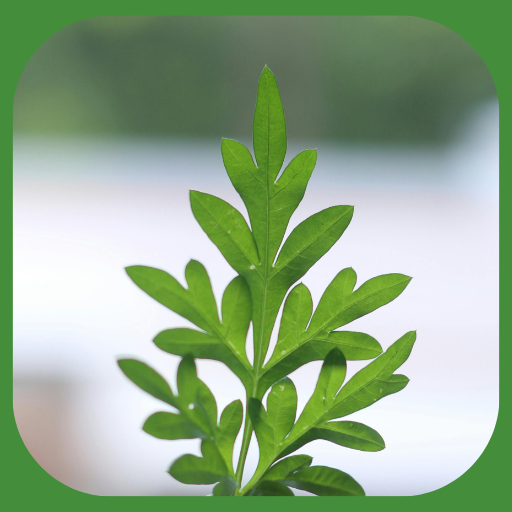
Mugwort tea is a herbal infusion made from the leaves of mugwort (Artemisia vulgaris).
Unlike traditional tea varieties made from Camellia sinensis, mugwort tea is naturally caffeine-free and belongs to the category of herbal infusions known as tisanes.
Mugwort has been used historically in:
- European folk traditions
- Chinese herbal practices
- Japanese seasonal foods and teas
- Korean cuisine and herbal drinks
Today, many people drink mugwort tea because they enjoy its earthy flavour and connection to traditional plant knowledge.
Is There an Official Mugwort Tea Dosage?
The simple answer is:
No. There is currently no officially established mugwort tea dosage recommended for general use.
Unlike some medicines and nutritional supplements, mugwort tea does not have a standardised dosage approved by health authorities.
This is partly because:
- Different mugwort products vary in strength.
- Herbal teas are prepared differently.
- Scientific research on long-term consumption is limited.
Because of this, most advice focuses on moderation and responsible use rather than a specific daily amount.
Typical Mugwort Tea Preparation
Although there is no official dosage, a traditional mild preparation commonly uses:
Ingredients
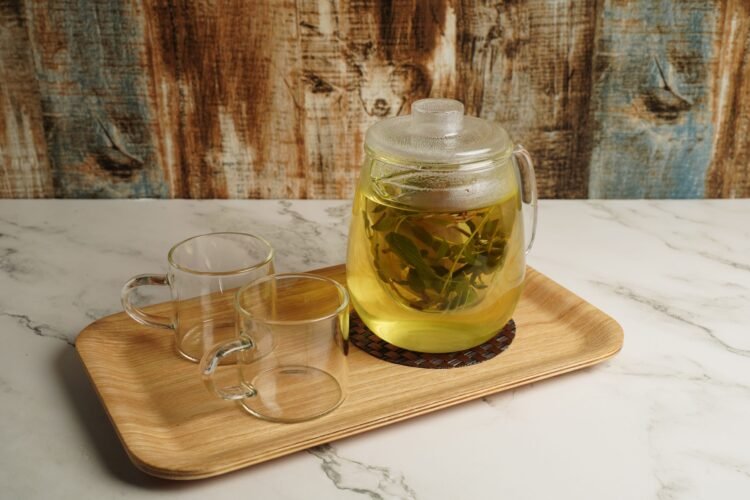
- 1 teaspoon dried mugwort leaves
- 250 ml hot water
Method
- Add dried mugwort leaves to a tea infuser or teapot.
- Pour over hot water.
- Allow the tea to steep for around 3–5 minutes.
- Strain before drinking.
This creates a relatively mild herbal infusion suitable for people who are trying mugwort tea for the first time.
Starting With a Lower Mugwort Tea Dosage
If you have never tried mugwort tea before, it is sensible to start with a weaker preparation.
For example:
- Use half a teaspoon of dried mugwort.
- Brew for a shorter time.
- Drink a small cup first.
- Observe how your body responds.
This approach allows you to discover whether you enjoy the flavour and tolerate the herb well.
Factors That Affect Mugwort Tea Strength
The final strength of your mugwort tea depends on several factors.
Amount of Herb Used
Using more leaves creates a stronger infusion.
A larger amount does not necessarily create a better tea and may result in a more bitter flavour.
Brewing Time
The longer mugwort leaves steep, the stronger the flavour becomes.
Shorter brewing times usually create a lighter cup.
Water Temperature
Very hot water can extract more flavour compounds from the herb.
Slightly cooled boiled water may produce a smoother taste.
Fresh vs Dried Mugwort
Fresh and dried mugwort produce different strengths.
Fresh leaves contain more water, meaning you may need a larger quantity compared with dried leaves.
Dried mugwort is more concentrated and easier to measure consistently.
How Often Can You Drink Mugwort Tea?
Another common question is how frequently mugwort tea can be consumed.
Currently, there are no official recommendations for daily use.
Some people enjoy mugwort tea occasionally as part of a herbal routine, while others drink it more regularly.
A cautious approach is to:
- Avoid excessive consumption.
- Take breaks from regular use.
- Monitor your body’s response.
- Avoid using very concentrated preparations.
If you are unsure whether mugwort tea is suitable for you, speak with a healthcare professional.
Can You Drink Multiple Cups of Mugwort Tea a Day?
There is not enough scientific evidence to determine a recommended maximum number of cups per day.
Drinking several strong cups may increase your exposure to the plant’s natural compounds.
If you choose to drink mugwort tea:
- Start with one mild cup.
- Avoid making very concentrated tea.
- Stop if you experience unwanted effects.
Moderation is especially important for herbal products that have not been extensively studied.
Mugwort Tea Dosage and Safety Considerations
Understanding the correct mugwort tea dosage is closely linked to safety.
Even natural herbs can cause reactions in certain individuals.
Before drinking mugwort tea regularly, consider the following:
Pregnancy and Breastfeeding
People who are pregnant or breastfeeding should avoid using mugwort tea unless advised by a healthcare professional.
Research on safety during pregnancy and breastfeeding is limited.
For more information, read:
👉 Mugwort Tea & Pregnancy:
https://mugworts.co.uk/mugwort-tea-pregnancy/
Allergies
Mugwort belongs to the daisy family (Asteraceae).
People allergic to:
- Ragweed
- Chamomile
- Chrysanthemums
- Daisies
may also react to mugwort.
For more information:
👉 Mugwort Tea Allergy Guide:
https://mugworts.co.uk/mugwort-tea-allergy/
Medication
If you take prescription medication, consult a healthcare professional before regularly consuming mugwort tea.
Extra caution is recommended for people taking medicines related to:
- Blood clotting
- Diabetes
- Blood pressure
- Heart conditions
- Seizure disorders
Signs You May Be Drinking Too Much Mugwort Tea
Because there is no official mugwort tea dosage, paying attention to your body is important.
Possible signs that you may not tolerate it well include:
- Stomach discomfort
- Nausea
- Headache
- Skin irritation
- Allergy symptoms
- Unusual reactions
If you experience these symptoms, stop drinking mugwort tea and seek medical advice if needed.
How Different Cultures Use Mugwort Tea
The amount and preparation of mugwort tea varies between cultures.
Japan – Yomogi Tea
In Japan, mugwort is known as yomogi.
Young leaves are traditionally used in teas and foods such as yomogi mochi. The flavour is often considered lighter and more delicate.
Korea – Ssuk Tea
In Korea, mugwort is called ssuk.
It is traditionally used in teas, soups, and rice cakes. Mugwort is especially associated with spring harvesting.
Europe
European herbal traditions often used mugwort as an occasional herbal infusion rather than a daily beverage.
Traditional preparations usually involved small amounts of dried leaves steeped in hot water.
Can You Adjust Mugwort Tea Dosage for Taste?
Yes.
Because mugwort has a naturally strong herbal flavour, many people adjust the amount depending on preference.
If your tea tastes too bitter:
- Use fewer leaves.
- Reduce steeping time.
- Add honey.
- Add lemon.
- Blend with milder herbs.
Popular combinations include:
- Mugwort and mint
- Mugwort and ginger
- Mugwort and lemon balm
- Mugwort and chamomile (avoid if sensitive)
Frequently Asked Questions
What is the recommended mugwort tea dosage?
There is no officially established dosage. A common traditional preparation uses around one teaspoon of dried mugwort per cup of hot water.
How many cups of mugwort tea can I drink?
There are no official guidelines. Many people choose moderate, occasional use rather than drinking large quantities daily.
Should beginners use less mugwort?
Yes. Starting with a weaker tea allows you to assess how your body responds.
Can I drink strong mugwort tea?
Strong preparations may increase bitterness and exposure to mugwort compounds. A milder preparation is generally the better starting point.
Learn More About Mugwort Tea
Understanding mugwort tea dosage is an important part of enjoying this traditional herbal drink responsibly.
To learn more about preparation methods, recipes, history, and traditional uses, visit:
👉 Read our complete Mugwort Tea Guide:
https://mugworts.co.uk/mugwort-tea/
Conclusion
Finding the right mugwort tea dosage is about balance. While there is no official recommended amount, a mild traditional preparation using a small quantity of dried mugwort is a sensible place to begin.
Because mugwort affects people differently, moderation and awareness are important. Anyone who is pregnant, breastfeeding, allergic to related plants, taking medication, or managing a health condition should seek professional advice before using mugwort tea regularly.
With careful preparation and responsible use, mugwort tea remains a fascinating herbal beverage with centuries of cultural history behind it.