Mugwort Tea vs Other Herbal Teas
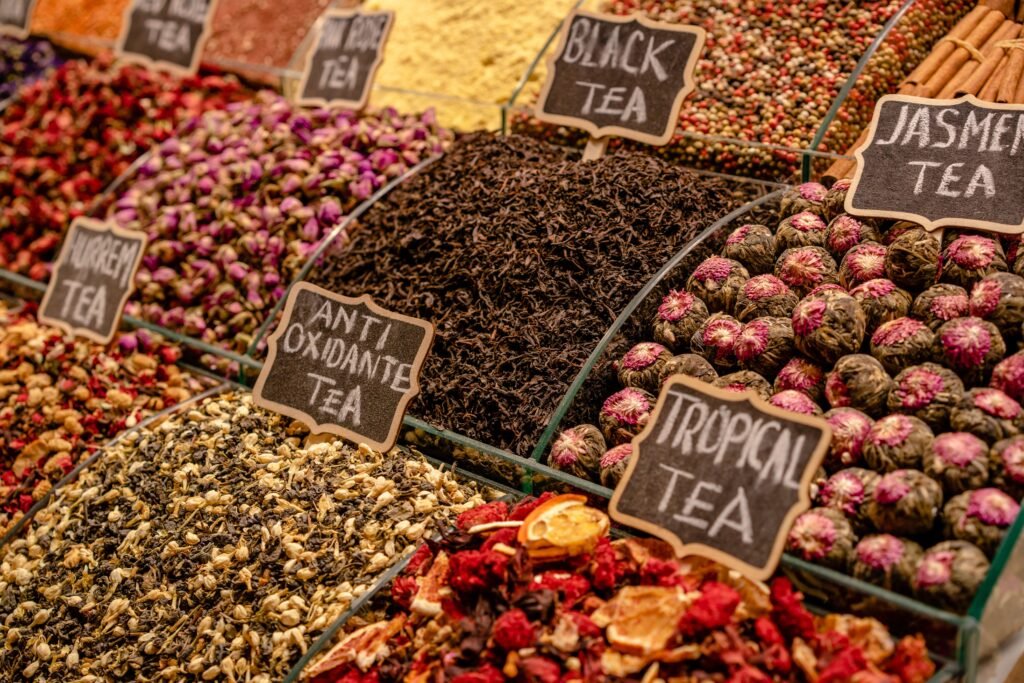
Herbal teas come in an enormous range of flavours, colours and traditions. Chamomile is associated with a gentle floral taste, peppermint is fresh and cooling, ginger is warming and spicy, while mugwort has a much more distinctive character.
So how does mugwort tea compare with other herbal teas?
Mugwort Tea vs Chamomile Tea
Chamomile and mugwort both belong to the Asteraceae family.
However, they taste very different.
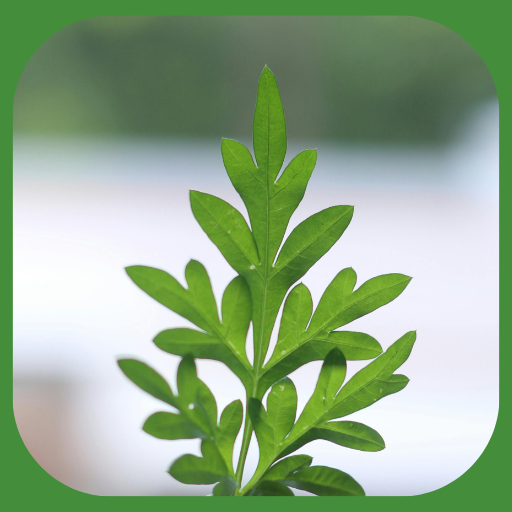
Mugwort tea tends to be earthy, herbal and bitter.
Chamomile tea is generally sweeter, floral and apple-like.
Both have long histories of traditional use.
People with allergies to members of the daisy family should be cautious with both.
Mugwort Tea vs Peppermint Tea
Peppermint is known for its strong menthol flavour.
Mugwort is much more earthy and bitter.
Peppermint is often chosen as a refreshing after-meal drink, while mugwort tends to appeal more to people interested in unusual traditional herbs.
Mugwort Tea vs Ginger Tea
Ginger produces a warming, spicy infusion.
Mugwort is considerably more herbal and bitter.
The two can also be combined for a more complex flavour, although anyone using herbs regularly should still consider individual suitability.
Mugwort Tea vs Green Tea
Green tea isn’t technically a herbal tea.
It is made from Camellia sinensis and naturally contains caffeine.
Mugwort, by contrast, is a caffeine-free herbal infusion.
This makes mugwort an option for people looking for a caffeine-free alternative, although its flavour is very different from green tea.
Which Herbal Tea Is Best?
There isn’t one “best” herbal tea.
The right choice depends on what you’re looking for.
If flavour is your priority, experiment with different herbs.
If you’re interested in cultural history, each plant has a fascinating story.
If you’re considering herbs for health reasons, speak with an appropriate healthcare professional rather than assuming one herb is automatically better than another.
Why Is Mugwort Different?
Mugwort stands out because it has a particularly rich combination of:
- Folklore
- Culinary traditions
- Botanical history
- Herbal traditions
- Cultural significance
In Japan, for example, mugwort is known as yomogi and is used in traditional foods.
In Korea, ssuk appears in dishes and traditional preparations.
Conclusion
Mugwort tea vs other herbal teas isn’t really a competition. Each plant has its own flavour, history and cultural significance.
Mugwort is particularly interesting for anyone who enjoys unusual herbal drinks and wants to explore the relationship between plants and traditional cultures.
Discover recipes and brewing ideas in our main guide: