Mugwort Tea Side Effects

Mugwort tea has a long history as a traditional herbal drink, but like any plant-based product, it isn’t necessarily suitable for everyone. Understanding mugwort tea side effects is important before making it part of your regular routine.
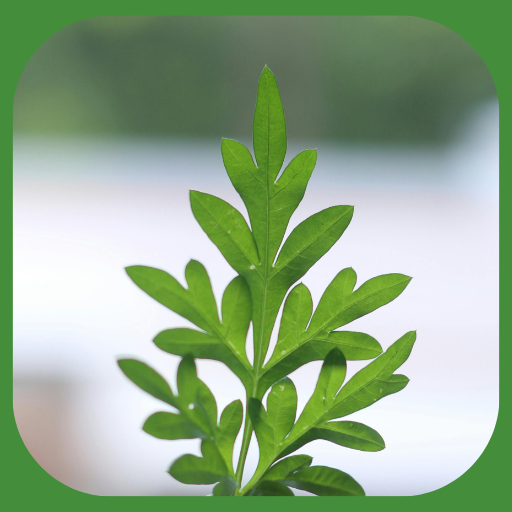
Mugwort (Artemisia vulgaris) is traditionally used in parts of Europe and Asia and is particularly well known in Japan and Korea, where mugwort is also used in food.
For most people, a mild cup may simply be an interesting herbal beverage with a distinctive earthy and slightly bitter flavour. However, some people can experience unwanted reactions.
What Are the Possible Mugwort Tea Side Effects?
Potential side effects may include:
- Nausea
- Stomach discomfort
- Digestive upset
- Headache
- Skin irritation
- Itching
- Sneezing
- Runny nose
- Other allergy symptoms
The likelihood of experiencing these effects can depend on the individual, the amount consumed, and the strength of the preparation.
A particularly strong mugwort tea may be more difficult to tolerate than a mild infusion.
Allergic Reactions
One of the most important considerations is allergy.
Mugwort belongs to the Asteraceae, or daisy, family. This family also includes plants such as ragweed, chamomile and chrysanthemums.
People who are sensitive to related plants may potentially react to mugwort.
Symptoms can include:
- Itchy mouth
- Sneezing
- Watery eyes
- Hives
- Swelling
- Breathing difficulties
Anyone experiencing difficulty breathing or swelling of the throat should seek emergency medical attention.
Can Mugwort Tea Upset Your Stomach?
It can.
Mugwort has a naturally strong flavour and contains a variety of plant compounds. Some people may find a concentrated infusion unpleasant or irritating to the digestive system.
If mugwort tea causes stomach discomfort, stop drinking it rather than increasing or continuing the amount.
Does More Mugwort Mean More Benefits?
Not necessarily.
A common mistake with herbal products is assuming that a stronger preparation must be better.
There is no established evidence that making mugwort tea extremely concentrated provides additional benefits. A stronger infusion can instead produce a more bitter drink and potentially increase the likelihood of unwanted effects.
Who Should Be Particularly Careful?
Extra caution is appropriate for people who:
- Are pregnant
- Are breastfeeding
- Have plant allergies
- Take prescription medication
- Have an existing medical condition
These groups should seek professional advice before consuming mugwort tea regularly.
How to Reduce the Risk of Side Effects
If you decide to try mugwort tea, consider starting with a mild infusion rather than a highly concentrated preparation.
Use a reputable source of correctly identified Artemisia vulgaris and avoid consuming unidentified wild plants.
If you experience an unexpected reaction, stop drinking the tea and seek medical advice where appropriate.
For a broader guide to preparation, recipes and traditional uses, see our main guide:
Mugwort Tea:
https://mugworts.co.uk/mugwort-tea/
Conclusion
Understanding mugwort tea side effects is an important part of using this traditional herbal drink responsibly.
Although many people may tolerate an occasional mild infusion, mugwort isn’t appropriate for everyone. Allergies, pregnancy, medication and individual sensitivity should all be considered before regular consumption.