Mugwort Tea Side Effects: What You Need to Know Before Drinking It

Interest in herbal teas has grown rapidly in recent years, and mugwort tea is no exception. Known for its long history in traditional herbal practices, mugwort tea is enjoyed around the world for its distinctive earthy flavour and cultural significance.
However, before trying any herbal product, it’s important to understand both its potential benefits and its possible risks. Many people search for mugwort tea side effects before trying this herbal infusion, and for good reason. Although mugwort has been used for centuries, it contains naturally occurring plant compounds that may not be suitable for everyone.
In this guide, you’ll learn about the known mugwort tea side effects, who should avoid drinking it, possible allergic reactions, medication interactions, and what current scientific research says about its safety.
If you’re looking for brewing instructions, recipes, traditional uses, and the fascinating history of this herb, be sure to read our complete guide:
👉 Read our complete Mugwort Tea Guide:
https://mugworts.co.uk/mugwort-tea/
What Is Mugwort Tea?
Before discussing mugwort tea side effects, it’s helpful to understand what mugwort tea actually is.
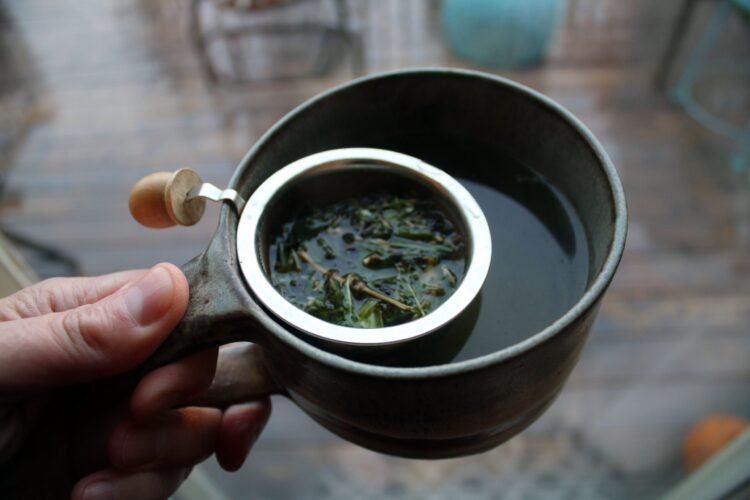
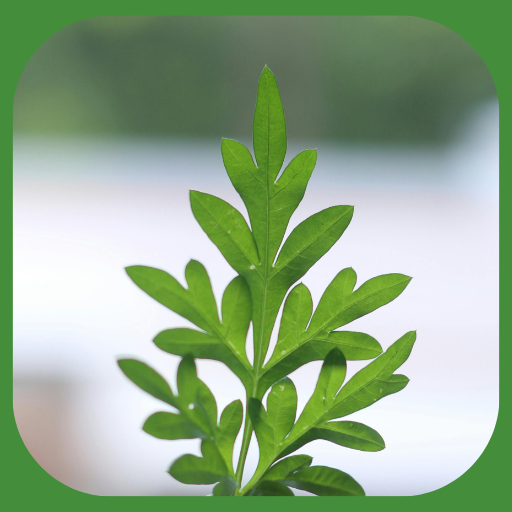
Mugwort tea is a herbal infusion made from the dried or fresh leaves of mugwort (Artemisia vulgaris), a perennial plant in the daisy family (Asteraceae). Unlike black tea, green tea, or oolong tea, mugwort tea is naturally caffeine-free because it is not made from the tea plant (Camellia sinensis).
For centuries, mugwort has been used in Europe and Asia in traditional herbal practices, cooking, and seasonal celebrations. Today, it is enjoyed by herbal tea enthusiasts who appreciate its unique flavour and historical significance.
Although mugwort has a long history of traditional use, this does not automatically mean it is suitable for everyone. Like many herbs, it should be consumed with care.
Does Mugwort Tea Have Side Effects?
Yes. While many healthy adults drink mugwort tea without any problems, mugwort tea side effects are possible.
The likelihood of experiencing side effects depends on several factors, including:
- Individual sensitivity
- Existing allergies
- Medical conditions
- Pregnancy or breastfeeding
- Prescription medications
- The amount of mugwort consumed
Research into mugwort tea in humans is still limited, so many recommendations are based on a combination of scientific studies, traditional knowledge, and clinical caution.
Common Mugwort Tea Side Effects
Most people who experience side effects report mild symptoms, although serious allergic reactions are possible in susceptible individuals.
Potential mugwort tea side effects include:
- Mild stomach discomfort
- Nausea
- Digestive upset
- Mouth irritation
- Skin rash
- Allergic reactions
If you experience unusual symptoms after drinking mugwort tea, stop consuming it and seek advice from a healthcare professional.
Allergic Reactions to Mugwort Tea
One of the most important mugwort tea side effects involves allergic reactions.
Mugwort belongs to the Asteraceae (daisy) family, alongside plants such as:
- Ragweed
- Chamomile
- Chrysanthemums
- Sunflowers
- Daisies
People who are allergic to these plants may also react to mugwort.
Symptoms can include:
- Sneezing
- Itchy eyes
- Runny nose
- Hives
- Skin irritation
- Swollen lips or tongue
- Wheezing
Although rare, severe allergic reactions (anaphylaxis) require immediate emergency medical attention.
Mugwort Pollen and Oral Allergy Syndrome
Some people who are allergic to mugwort pollen may experience Oral Allergy Syndrome (OAS), also known as pollen-food allergy syndrome.
This occurs because certain proteins in foods resemble proteins found in mugwort pollen.
Foods that may trigger reactions in sensitive individuals include:
- Celery
- Carrots
- Apples
- Peaches
- Bell peppers
- Sunflower seeds
- Some herbs and spices
Not everyone with a mugwort allergy will react to these foods, but it’s something to be aware of if you’ve previously experienced seasonal pollen allergies.
Can Pregnant Women Drink Mugwort Tea?
Healthcare professionals generally recommend avoiding mugwort tea during pregnancy.
Historically, mugwort has been associated with traditional practices relating to menstruation and pregnancy, and because of these historical uses, there are concerns about consuming it while pregnant.
There is insufficient high-quality research confirming that mugwort tea is safe during pregnancy.
If you are pregnant, trying to conceive, or think you may be pregnant, consult your doctor or midwife before drinking mugwort tea or taking herbal supplements containing mugwort.
Is Mugwort Tea Safe While Breastfeeding?
There is currently very little reliable research into the safety of mugwort tea while breastfeeding.
Because of the lack of evidence, healthcare professionals generally recommend speaking to a qualified medical professional before drinking mugwort tea while breastfeeding.
Can Mugwort Tea Interact With Medication?
Like many herbal products, mugwort has the potential to interact with certain medicines.
Although evidence is limited, people taking medication for the following conditions should seek medical advice before drinking mugwort tea regularly:
- Blood clotting disorders
- Diabetes
- High blood pressure
- Heart conditions
- Epilepsy
- Autoimmune conditions
Never stop taking prescribed medication in favour of herbal remedies unless advised by a qualified healthcare professional.
Can You Drink Mugwort Tea Every Day?
There are currently no official guidelines that recommend a safe daily amount of mugwort tea.
If you decide to include mugwort tea in your routine:
- Drink it in moderation.
- Buy high-quality mugwort from reputable suppliers.
- Start with small amounts if you’ve never tried it before.
- Stop drinking it if you experience adverse effects.
Many herbal tea enthusiasts prefer to enjoy mugwort tea occasionally rather than every day.
How to Reduce the Risk of Mugwort Tea Side Effects
If you decide to try mugwort tea, a few sensible precautions can help reduce the likelihood of side effects.
Choose High-Quality Mugwort
Only purchase products that clearly identify the herb as Artemisia vulgaris and come from trusted suppliers.
Start with a Weak Brew
If it’s your first time drinking mugwort tea, begin with a mild infusion to see how your body responds.
Don’t Drink Excessive Amounts
More is not necessarily better. Drinking large quantities of herbal teas may increase the chance of unwanted effects.
Know Your Allergies
If you have allergies to ragweed, chrysanthemums, daisies, or other members of the daisy family, speak to your healthcare provider before trying mugwort tea.
Talk to Your Healthcare Professional
If you have an existing health condition, are taking medication, or are pregnant or breastfeeding, seek medical advice before using mugwort products.
What Does Scientific Research Say?
Researchers continue to study the chemical compounds found in Artemisia vulgaris, including flavonoids, terpenoids, and essential oils.
Laboratory studies suggest these compounds may have antioxidant and anti-inflammatory properties. However, many of these studies have been conducted in laboratories or using animal models.
There is currently limited high-quality clinical evidence confirming many of the traditional health claims associated with mugwort tea.
More human research is needed before firm conclusions can be drawn.
Frequently Asked Questions
Is mugwort tea safe?
Many healthy adults can enjoy mugwort tea occasionally, but it is not suitable for everyone. People who are pregnant, breastfeeding, allergic to plants in the daisy family, or taking prescription medication should seek medical advice first.
Can mugwort tea cause allergic reactions?
Yes. Mugwort is a recognised allergen and may trigger reactions ranging from mild hay fever symptoms to more serious allergic responses.
Can I drink mugwort tea every day?
There are no official recommendations for daily consumption. If you choose to drink it regularly, moderation is advisable.
What should I do if I feel unwell after drinking mugwort tea?
Stop drinking the tea immediately and seek medical advice, particularly if you experience swelling, breathing difficulties, or signs of an allergic reaction.
Learn More About Mugwort Tea
Understanding mugwort tea side effects is only one part of learning about this fascinating herbal infusion.
If you’d like to discover how mugwort tea is made, traditional recipes from around the world, brewing tips, cultural history, and frequently asked questions, visit our complete guide:
👉 Read our complete Mugwort Tea Guide:
https://mugworts.co.uk/mugwort-tea/
Conclusion
Understanding mugwort tea side effects allows you to make informed decisions before adding this traditional herbal drink to your routine.
Although mugwort tea has been enjoyed for centuries across Europe and Asia, it is not appropriate for everyone. People with allergies to plants in the daisy family, those who are pregnant or breastfeeding, and anyone taking prescription medication should seek advice from a qualified healthcare professional before drinking it.
For most healthy adults, occasional mugwort tea made from quality ingredients can be enjoyed responsibly. The key is moderation, awareness of potential risks, and recognising that herbal products should complement—not replace—professional medical care.